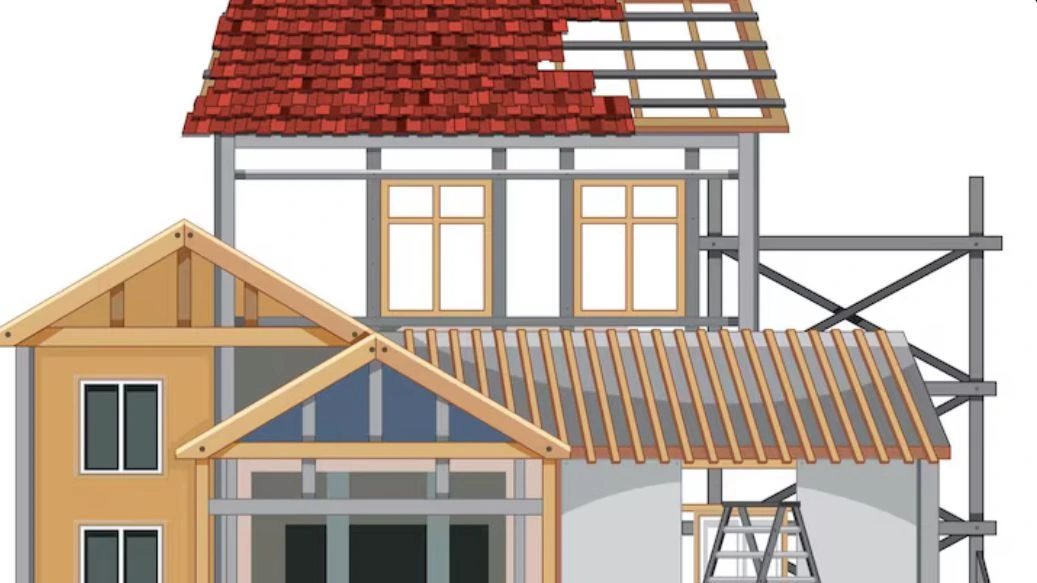
Embarking on a home improvement journey is exciting, especially when it involves expanding your living space. However, in the UK, one of the primary considerations when planning a house extension is whether you’ll need planning permission. Understanding the nuances of house extension planning permission UK regulations is crucial before you start any building work. This comprehensive guide covers the essentials of planning permission for house extensions in the UK, ensuring you’re fully informed every step of the way.
What is Planning Permission?
Planning permission is official consent from your local authority that allows you to carry out specific building or renovation works. It ensures that developments are in line with local and national policies, and takes into account the impact they could have on the surrounding environment and neighbourhood.
Not every house extension requires planning permission thanks to Permitted Development Rights, but it’s vital to confirm whether your project qualifies for these exemptions. Failure to obtain necessary planning permission can result in enforcement action, which might include removing the extension or facing legal penalties.
Do You Always Need Planning Permission for a House Extension in the UK?
Homeowners often ask, “Do I need planning permission for my house extension?” In many cases, the answer is no, especially for smaller projects. Many extensions can be constructed under Permitted Development Rights (PDR), which grant automatic planning permission provided the extension meets certain criteria. However, if your plans fall outside of these limitations, then formal planning permission will be required.
Understanding Permitted Development Rights
Permitted Development Rights (PDR) are a set of allowances enabling homeowners to extend or alter their property without submitting a full planning permission application. PDR apply to houses (not flats, maisonettes, or listed buildings), and guidance can vary depending on your location England, Scotland, Wales, or Northern Ireland.
Under PDR, typical allowances for extensions include:
- Single-storey rear extensions: Up to 3 metres (mid-terrace and semi-detached) or 4 metres (detached houses) in depth, not higher than 4 metres.
- Double-storey extensions: Must not extend more than 3 metres beyond the rear wall, and must be no closer than 7 metres to the rear boundary.
- Side extensions: Up to half the width of the original house, maximum height 4 metres and single-storey only.
Other constraints often include:
- Extensions must not cover more than half the area of land around the original house.
- Materials must be similar to the original building.
- No verandas, balconies, or raised platforms are allowed.
- Extensions must not face a highway if they are at the front or side of the property.
When is Full Planning Permission Required?
Your proposed house extension in the UK will require full planning permission if it does not comply with Permitted Development Rights. Here are some reasons why planning permission may be necessary:
- Your property is in a conservation area, national park, Area of Outstanding Natural Beauty (AONB), or World Heritage Site.
- The building is listed or protected.
- You wish to build an extension that falls outside PDR limits in terms of height, width, or proximity to boundaries.
- The extension will significantly alter the appearance or use of your property.
- You plan to add multiple storeys or a self-contained flat.
If your project requires planning permission, you must apply to your local planning authority (LPA) before beginning any work. The application will need detailed plans and supporting documents, and a fee will apply.
Planning Permission Process Explained
1. Pre-application Advice: Before submitting a full application, it’s worth contacting your local authority for guidance. Many councils offer pre-application advice, often for a small fee, which gives insight on potential issues before you spend money on drawings and documents.
2. Preparing Your Application: Assemble all required documents. This typically includes:
- Site layouts and scale drawings
- Elevations and floor plans
- A design and access statement
- Ownership certificates
3. Submitting the Application: Applications can be submitted online via the Planning Portal or through your local planning authority. Standard application fees apply (as of 2024, around £258 in England for householder applications).
4. Consultation Period: Once submitted, the planning authority consults neighbours and relevant statutory bodies. Notices might be posted or sent to those affected by the development.
5. Decision: The council aims to make a decision within 8 weeks for householder applications. You’ll receive a letter confirming the outcome and any conditions attached, if approval is granted.
6. If Planning Permission is Refused: If your application is unsuccessful, you can revise your plans and reapply or appeal the decision within six months.
Common Reasons for Planning Permission Refusal
Although most simple, well-designed extensions are approved, consent is occasionally refused. Common reasons include:
- Overshadowing or loss of light: If an extension impacts neighbouring properties’ access to sunlight.
- Overlooking and privacy concerns: Direct sightlines into neighbours’ homes or gardens.
- Out of character: Extension design or materials clash with the appearance of existing buildings.
- Overdevelopment: The extension is too large for the plot or erodes private garden space.
- Impact on listed buildings or conservation areas: The extension compromises building or area heritage.
You can minimise the risk of refusal by consulting your local planning team, discussing plans with neighbours, and employing an experienced architect.
Planning Permission for Different Types of Extensions
Various extension types have slightly different planning requirements. Here’s a breakdown of the most common scenarios:
- Single-storey Extensions: The most straightforward and usually fall under Permitted Development when within dimensional limits. Watch for height, materials, and distance from boundaries.
- Two-storey Extensions: Stricter regulations apply. Must not be closer than 7 metres to rear boundaries and should not dominate the original house.
- Loft Conversions: Most don’t require planning permission if the volume increase is limited (up to 40 cubic metres for terraced and 50 cubic metres for detached/semi-detached houses) and no dormers face the highway.
- Basement Extensions: Typically need planning permission, especially if excavation is involved or if frontage/structural changes are required.
- Conservatories: Often covered by PDR, provided size and position criteria are met.
Special Planning Considerations
Certain properties and locations face additional planning hurdles, such as:
- Listed Buildings: Extensions require both planning permission and listed building consent, even for modest changes.
- Flats and Maisonettes: PDR don’t apply; all external extensions need planning permission.
- Conservation Areas: Local authorities restrict PDR in such zones, especially side and rear extensions, and any modifications at the front.
- Article 4 Directions: Councils can remove PDR for specific areas or properties, requiring planning permission for work that would otherwise be permitted.
Building Regulations and Party Wall Matters
Irrespective of whether planning permission is needed, Building Regulations Approval is required for almost all extensions to ensure structural safety, insulation, ventilation, and fire safety standards are met. Applications can be made to your local council’s Building Control team or an approved private inspector.
You might also need to follow the Party Wall etc. Act 1996 if your project affects shared walls or structures with a neighbour. This involves serving written notice and agreeing terms to avoid disputes.
Plan Smart, Build with Confidence
Understanding house extension planning permission UK requirements is a crucial part of turning your vision into reality. While many extensions can be completed under Permitted Development Rights, the details matter: property type, location, design, and scale can all determine whether you need full planning permission. Missing these details can lead to costly delays, redesigns, or even enforcement action.
The key is to approach your project with clarity and expert insight from the start. From checking whether your extension qualifies under permitted development to preparing a strong planning application, every step plays a role in ensuring a smooth and successful outcome.
Let Planning Build take care of your planning permission, drawings, and approvals so you can focus on creating the space you’ve always wanted. Get in touch today and move forward with confidence.