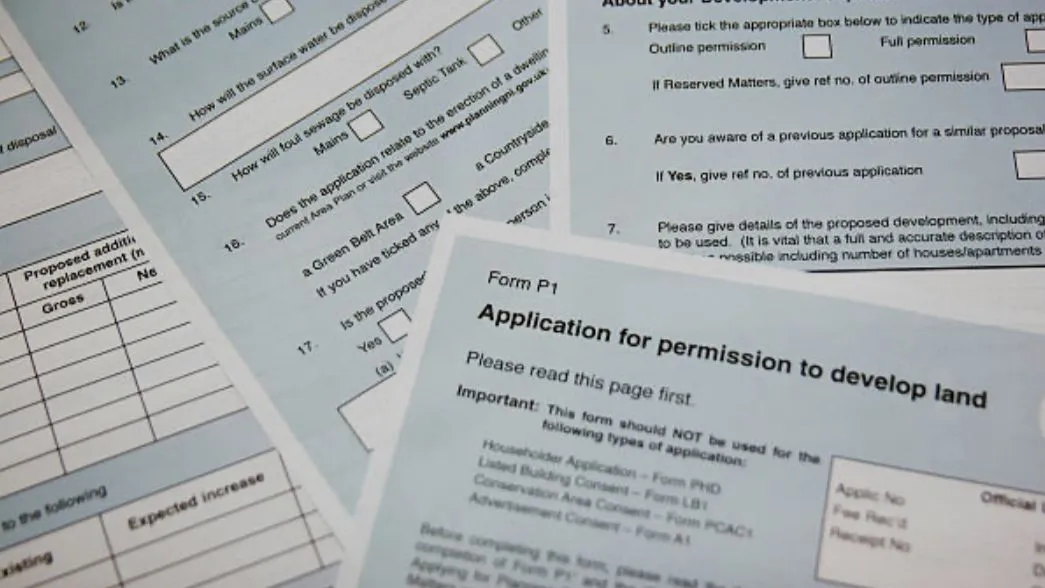
Introduction to Party Wall Act vs Planning Permission UK
Navigating the complexities of property development and home improvements in the United Kingdom can often be a daunting task. Homeowners, developers, and architects come across a myriad of regulations, with two of the most significant and often misunderstood being the Party Wall Act and Planning Permission. The confusion over the relationship and requirements of these legal frameworks has led many property owners to ask: What is the difference between the Party Wall Act and Planning Permission in the UK? This comprehensive guide sheds light on the key distinctions, legal processes, and practical implications of the Party Wall Act vs Planning Permission UK, helping you confidently manage your next construction or renovation project.
What Is the Party Wall Act?
The Party Wall etc. Act 1996 is a piece of legislation in England and Wales that provides a framework for preventing and resolving disputes relating to party walls, boundary walls, and excavations near neighbouring buildings. The Act aims to protect the interests of adjoining owners when building works might affect the structural integrity or use of a shared or adjacent wall.
- Scope: Applicable to residential and commercial properties where the work involves:
- Work on an existing party wall or structure
- Construction of a new wall at a boundary line
- Excavation within 3 or 6 metres of a neighbouring building, depending on depth and proximity
- Purpose: Facilitate notification and agreement between neighbours to ensure work does not adversely impact either property or boundary.
What Is Planning Permission?
Planning Permission is a statutory process managed by local authorities that determines whether proposed building works or changes to land use are allowed to go ahead. It ensures development is in line with local and national policies, and that it does not adversely affect the character, environment, or amenities of the area.
- Scope: Covers construction, extension, significant alterations, land use change, and, in some cases, demolition.
- Purpose: To maintain an orderly and sustainable urban environment, promoting responsible development that considers transportation, heritage, environmental, and social factors.
Core Differences: Party Wall Act vs Planning Permission UK
Understanding the distinction between the Party Wall Act and Planning Permission is crucial for any property owner or developer. Though both are legal requirements for certain types of works, they serve fundamentally different purposes and are administered through separate processes:
- Legal Basis:
- The Party Wall Act deals exclusively with relationships and works affecting shared or boundary structures between neighbouring properties.
- Planning Permission concerns the appropriateness and legality of new construction or development in accordance with broader policy.
- Authority:
- Party Wall Act processes are privately negotiated between property owners, often with surveyor involvement.
- Planning Permission decisions are made by the relevant local planning authority (usually the local council).
- Focus:
- The Party Wall Act is about protecting neighbouring property interests.
- Planning Permission is about public interest and land use regulation.
Party Wall Act Explained in the UK Context
When you undertake construction or alteration works that affect a party wall or boundary, the Party Wall Act requires you to serve written notice on the affected neighbour(s), known as adjoining owners. This can include:
- Building a new wall at or astride the boundary line
- Carrying out works directly to the party wall (for example, cutting in beams or removing chimney breasts)
- Excavating foundations within a certain distance of an adjoining property
The notice gives neighbours time to agree, object, or request modifications. If an agreement cannot be reached, both parties may appoint a surveyor(s) to produce a legally binding party wall award. This outlines how the work will proceed while protecting each owner’s rights.
Failing to comply with the Party Wall Act can lead to costly delays, neighbour disputes, or legal action. It is important to note that Party Wall Notice is independent of planning or building control approvals.
Planning Permission Explained in the UK
Planning Permission is a formal approval from the local planning authority, required before starting most new buildings, major alterations, or extensions. The process typically involves submitting:
- Detailed plans and drawings of your proposal
- Supporting documentation (design, access statement, environmental considerations, etc.)
- Fees (vary depending on development type and scale)
The local authority considers a wide range of factors:
- Impact on neighbouring properties and the environment
- Compliance with local and national planning policies
- Highway access, parking, drainage, conservation, and more
Consultations with neighbours and statutory bodies may occur. A decision usually takes 8-12 weeks for straightforward cases (known as the statutory determination period). Planning Permission is entirely separate from the requirements of the Party Wall Act; approval under one does not guarantee or substitute the other.
Common Scenarios: When Do You Need the Party Wall Act, Planning Permission, or Both?
Many home improvement or development projects in the UK require you to observe both the Party Wall Act and obtain Planning Permission, although this is not always the case. Here are typical scenarios:
- Loft Conversions or Extensions:
Most rear or side extensions and loft conversions require planning approval unless they fall within ‘permitted development’. If your plans involve work on a shared wall (e.g., steel beams inserted into a party wall), you need to follow the Party Wall Act as well. - Internal Structural Changes:
Provided the changes are internal and do not affect the external elevation or change the use of the building, planning permission may not be needed. However, if a party wall is affected (e.g., removing chimney breasts), the Party Wall Act comes into play. - Boundary Walls and Fences:
Erecting a new fence or wall on your boundary usually does not need planning permission if it meets permitted heights, but if the structure is a party wall, the Act’s notice and dispute process applies. - Excavations for Basements or Foundations:
Excavation within 3–6 metres of neighbours’ buildings, depending on depth, will trigger the Party Wall Act. Planning Permission is likely needed for significant subterranean works. - Outbuildings and Garden Structures:
Outbuildings within permitted development may not need planning, but if the construction affects the party wall or involves digging close to neighbours’ property, the Party Wall Act applies.
As a rule of thumb, always check with both your local planning authority and a competent surveyor to clarify your obligations.
Do You Need Planning Permission to Serve a Party Wall Notice?
One of the major misconceptions around Party Wall Act vs Planning Permission UK is the belief that planning consent must be obtained before serving a party wall notice. This is inaccurate.
You may serve a party wall notice either before or after you have gained planning permission. However, most surveyors recommend having at least an outline or firm intent because if significant design or scope changes occur after notice, a new notice may be needed.
Conversely, receiving Planning Permission from your council does not discharge your responsibility to comply with the Party Wall Act — they operate on separate legal tracks and must both be followed where applicable.
Navigate Party Wall and Planning Rules with Confidence
Understanding the Party Wall Act vs Planning Permission UK is key to avoiding delays, disputes, and costly mistakes. While they serve different purposes, many projects require compliance with both, making expert guidance essential.
At Planning Build, we help homeowners and developers manage planning applications, party wall matters, and neighbour concerns with ease.
Need support for your project? Contact Planning Build today and get expert guidance every step of the way.