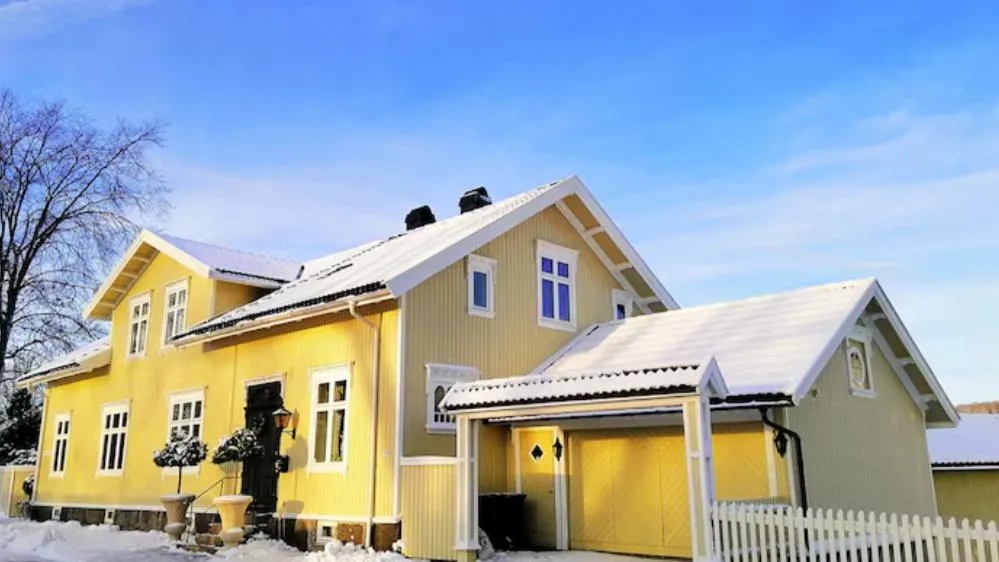
In recent years, the demand for additional living spaces and innovative property configurations has increased dramatically across the United Kingdom. Whether you’re looking to create extra accommodation for family members, generate rental income, or simply maximise the value of your land, the idea of constructing a second dwelling stands out as a compelling option. However, the process of constructing a second property, whether detached, semi-detached, or an annex, is subject to a detailed legal framework. Understanding the requirements for second dwelling planning permission UK is vital for any homeowner, developer, or investor contemplating such a project.
What is a Second Dwelling?
A second dwelling refers to the construction of an entirely new residential unit within the boundaries of an existing property. This might be a separate house in the garden, a subdivision of an existing house into flats, a self-contained annex, or even a converted outbuilding. These arrangements differ from simple extensions or home improvements because the result is a new, independent place of residence with its own access and facilities.
In the UK, local planning authorities distinguish a second dwelling as a “material change of use of land”, which means that changes from one dwelling to two (or more) typically require formal planning permission. The legal framework here is complex, governed by the Town and Country Planning Act 1990 and various updates to national and local policy frameworks.
Why Consider Building a Second Dwelling?
Before exploring the planning process, it’s important to understand the benefits and motivations behind creating a second dwelling:
- Income Generation: Renting out a self-contained unit provides consistent rental income.
- Increased Property Value: Properties with the flexibility for multi-family accommodation often command higher prices.
- Multigenerational Living: More families are living together, requiring independent yet proximate living spaces.
- Downsizing & Upsizing: Homeowners can remain on their property while transitioning between different living arrangements; for instance, parents can move into a smaller annex and allow the family to occupy the original home.
- Supporting Community Needs: Adding housing supply in sought-after areas helps address demand and can improve local housing markets.
Key Considerations Before Applying for Second Dwelling Planning Permission UK
Before proceeding to submit a formal application to your Local Planning Authority (LPA), several crucial factors must be considered. A strong application responds to policy, design, and community concerns from the outset. Here are the most important:
- Location and Zoning:
Not all areas are treated equally under planning laws. If your property is in a greenbelt, conservation, or an Area of Outstanding Natural Beauty (AONB), stricter controls will apply. Urban, suburban, and rural locations each present unique challenges and opportunities. Always check your local authority’s Local Plan to see specific constraints.
- Plot Size and Layout:
Authorities will look for sufficient space to ensure that both original and new dwellings offer adequate privacy, amenity, light, and outdoor space. Overcrowding or overdevelopment of the site frequently leads to rejection.
- Design and Appearance:
Councils expect new buildings to respect the existing character of the streetscape and nearby architecture. Factors such as height, materials, and landscaping must blend sympathetically with the surrounding area.
- Impact on Neighbours:
Potential loss of privacy, overshadowing, blocked views, and increased noise or disturbance are key objections from neighbours. Addressing these in early plans and consulting with affected parties can make the application process smoother.
- Highways, Parking, and Access:
Safe and adequate access to public roads is mandatory. Councils will generally insist on off-street parking for the new dwelling, especially outside city centres. Narrow access roads may present difficulties.
- Infrastructure and Services:
Consider whether water, sewage, electricity, and gas supplies can handle additional demand. In many cases, you may need confirmation from relevant utility providers.
- Ecological & Environmental Impact:
If your land includes protected trees, wildlife habitats, or is in a flood zone, special surveys and mitigation plans may be needed.
Types of Second Dwellings and Their Planning Implications
The type of second dwelling you wish to add can influence the planning approach. Here are the most common configurations:
- Detached New Build:
The most straightforward interpretation, involving a completely new residential building within your land boundary, essentially creates a new plot. This will almost always need full planning permission as it represents a substantial alteration to site use and density.
- Self-Contained Annex:
Designed to house family members, these are typically attached to or situated near the main home but function independently. While initially for family, if intended for letting or sale as a separate residence, it may be treated as a new dwelling.
- Conversion of Outbuildings:
Garages, barns, or studios could be converted into separate homes. Planning implications depend on the building’s location, current use, and heritage or conservation status.
- Subdividing the Main House:
Creating two individual dwellings under one roof. This is common in Victorian homes or large properties and often requires full planning permission because it alters the nature of the building’s use and local housing statistics.
Permitted Development Rights and Second Dwellings
Many UK homeowners are aware of “permitted development rights”, whereby some extensions, conversions, and minor projects can proceed without formal planning permission. However, when it comes to constructing a wholly separate self-contained second dwelling, permitted development rights are much more restrictive.
Key Points to Note:
- Permitted development rights usually do not apply if your project creates an entirely new dwelling. This means that you almost always need full planning permission for a second property on your land.
- Exceptions may exist for specific types of annexes, provided they remain ancillary to the main house (i.e., are not capable of being sold or rented separately), but local authorities are increasingly strict in interpreting these rules.
- Always consult your local planning department or a professional planning adviser before assuming your project is covered by permitted development.
The Application Process for Second Dwelling Planning Permission UK
Applying for planning permission is a detailed process. Here’s a breakdown of the essential steps to ensure your application stands the best chance of success:
- Initial Research:
Check the land’s planning history, local authority policies, and any neighbourhood-specific guidance. Assess how similar proposals have fared recently.
- Pre-application Advice:
Most councils offer pre-application advice services. For a modest fee, you can share your draft ideas and receive feedback from planners, which can highlight potential red flags early.
- Design & Planning Statement:
Prepare a comprehensive package, including scaled drawings, site location plans, elevations, design and access statements, and supporting documents addressing highways, ecology, and heritage where relevant.
- Neighbour Engagement:
While not strictly required, consulting neighbours before submitting can help pre-empt objections and demonstrate goodwill.
- Submit Your Application:
Applications are now typically submitted online via the Planning Portal (www.planningportal.co.uk). Fees vary by project type
Securing Second Dwelling Planning Permission UK with Confidence
Creating a second dwelling is one of the most effective ways to unlock the full potential of your land, whether for additional income, multigenerational living, or long-term investment growth. However, as we’ve explored, obtaining second dwelling planning permission UK is a highly regulated process that requires careful planning, policy awareness, and strong justification.
Local planning authorities treat the creation of a new dwelling as a significant development, meaning it is assessed against strict criteria, including site suitability, design quality, impact on neighbours, access, infrastructure capacity, and environmental considerations. Whether you are proposing a detached new build, an annex, a conversion, or a subdivision of an existing home, the principle remains the same: the proposal must align with local development plans and demonstrate clear planning merit.
Permitted development rights rarely apply to standalone second dwellings, meaning most projects will require full planning permission. This makes early-stage preparation absolutely essential. Applications that are well-designed, policy-compliant, and supported by strong documentation have a significantly higher chance of approval.
The most successful developments are those that anticipate challenges early, addressing privacy concerns, parking requirements, ecological impacts, and design integration before submission. Engaging with planners and neighbours early in the process can also help reduce objections and improve overall outcomes.
If you’re considering adding a second dwelling to your property, don’t leave your application to chance. Contact Planning Build today and let us help you turn your land into a fully approved, high-value development opportunity.