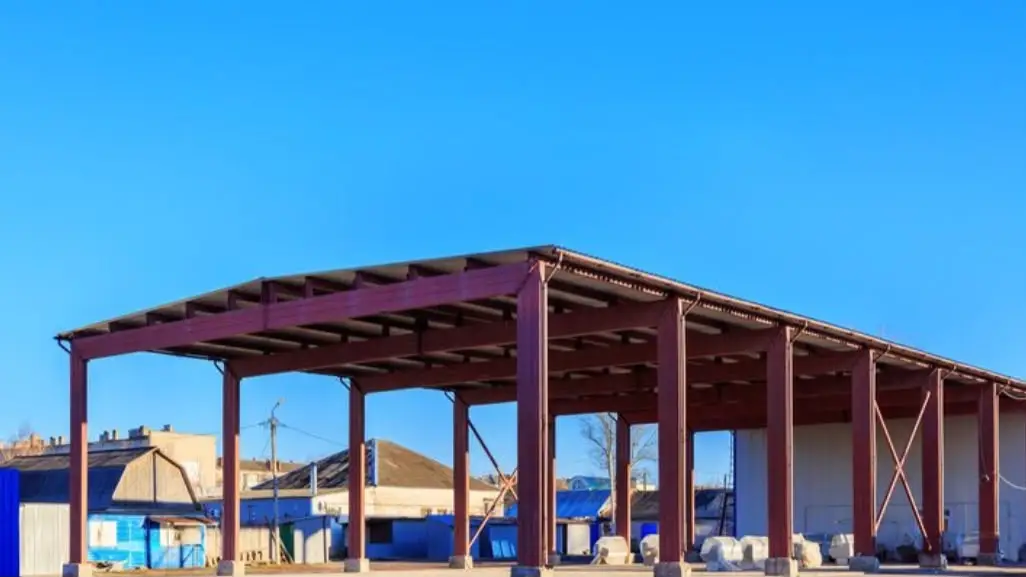
Temporary structures can provide a practical solution for businesses, construction projects, schools, events and other uses where additional space is needed for a limited period. Examples include modular buildings, site offices, marquees, temporary classrooms, storage structures and event facilities.
However, being temporary does not automatically mean that a structure is exempt from planning permission. The planning position depends on the type of structure, its intended use, how long it will remain, where it is located and whether a permitted development right applies.
Understanding these requirements before installing a temporary structure can help avoid enforcement issues, unexpected costs and delays.
Do I Need Planning Permission for Temporary Structures?
You may need planning permission for a temporary structure, but not every temporary structure requires a planning application.
Certain temporary buildings, structures and uses are covered by permitted development rights. For example, Part 4 Class A allows buildings, moveable structures, works, plant or machinery to be provided temporarily where they are required in connection with operations being carried out on land and for the duration of those operations.
There are also permitted development rights for certain temporary uses of land. Under Part 4 Class B, specified temporary uses can take place for no more than 28 days in total in any calendar year, subject to the conditions and limitations of the right.
These provisions do not create a general exemption for every temporary structure. The relevant permitted development right must apply to the specific proposal.
When Can a Temporary Structure Be Permitted Development?
Permitted development rights allow certain forms of development to take place without a standard planning application, provided all relevant conditions and limitations are met.
One important provision concerns temporary buildings and structures required in connection with operations being carried out on land. Under Part 4 Class A, such structures can be permitted where they are needed temporarily for the duration of the relevant operations.
This can be particularly relevant to construction projects.
A development site may require temporary:
- Site offices
- Welfare facilities
- Storage
- Security buildings
- Workshops
- Plant or machinery
If the relevant permitted development right applies, a full planning application may not be necessary. However, the specific requirements of the right must be satisfied.
The 28-Day Rule for Temporary Structures
The 28-day rule is frequently misunderstood.
Part 4 Class B permits certain temporary uses of land for no more than 28 days in total in any calendar year. It also allows movable structures to be provided for the permitted use.
However, this is not a blanket rule allowing any temporary structure to be installed for 28 days without planning permission.
The right applies to particular temporary uses and is subject to specific limitations. For example, the legislation includes restrictions concerning the type of land and certain uses.
Therefore, if you are planning to install a marquee, event structure or another temporary installation, you should establish whether the proposed use actually falls within the relevant permitted development right.
Can a Temporary Structure Stay Up for More Than 28 Days?
Yes.
The 28-day period applies to a particular permitted development right and is not a universal maximum duration for temporary structures.
Other permitted development rights can provide for temporary structures in different circumstances. For example, temporary buildings and structures associated with ongoing operations can remain for the duration of those operations where the relevant permitted development right applies.
Temporary structures can also be authorised through a temporary planning permission.
Under Section 72 of the Town and Country Planning Act 1990, a local planning authority can grant planning permission for a specified temporary period. Government guidance identifies circumstances where this may be appropriate, including trial uses, temporary use of vacant land and situations where planning circumstances are expected to change.
The length of the permission will depend on the circumstances of the development and the terms of the permission granted.
Temporary Planning Permission
Where permitted development rights do not apply, a planning application may be required.
An application for a temporary structure should clearly explain why the development is temporary and how long it is expected to remain.
The proposal may need to address:
- The purpose of the structure
- Its proposed duration
- Its size and appearance
- How it will be accessed
- Its effect on neighbouring properties
- Parking and traffic
- Noise
- Landscaping
- What will happen when the temporary period ends
If permission is granted, the local planning authority may impose a condition requiring the structure or use to cease by a particular date.
Temporary planning permission does not automatically lead to permanent permission. Government guidance specifically states that there is no presumption that a temporary permission will subsequently be made permanent.
Factors That Affect Planning Permission
Several factors can influence whether planning permission is needed for a temporary structure.
Intended Use
The purpose of the structure is important. A temporary office used during construction may have a different planning position from a temporary restaurant or retail unit.
Duration
The intended period should be established from the outset. A structure required for a weekend event is very different from one intended to remain for several years.
Location
The planning context of the site can affect the proposal. Additional considerations may apply in areas such as Green Belt land, conservation areas, or locations close to listed buildings and other heritage assets.
Size and Appearance
A large temporary building can have a greater impact on its surroundings than a small installation. Visual appearance, height, floor area and relationship with neighbouring properties can all be relevant.
Existing Planning Permission
If the site already has planning permission, its conditions should be checked. There may be provisions relating to temporary buildings, construction facilities or specific uses.
Temporary Structures for Construction Projects
Construction sites frequently require temporary structures.
Part 4 Class A specifically covers certain temporary buildings, moveable structures, works, plant and machinery required in connection with operations being carried out on land.
This can allow appropriate temporary facilities to support a development while construction is underway.
However, the structure should remain connected to the relevant operations. If the main works finish but the temporary building remains and is used for another purpose, its planning position may need to be reconsidered.
Planning Permission and Building Regulations
Planning permission and Building Regulations are separate matters.
Planning permission considers whether development is acceptable in its location and under relevant planning policies. Building Regulations deal primarily with technical standards for construction and safety.
Depending on the structure, Building Regulations may address matters such as:
- Structural stability
- Fire safety
- Ventilation
- Accessibility
- Drainage
- Sanitation
- Energy efficiency
A temporary structure may therefore need to be considered under both planning and building control requirements.
An exemption from Building Regulations does not automatically mean that planning permission is unnecessary, and planning permission does not automatically confirm Building Regulations compliance.
What Happens If You Install a Temporary Structure Without Permission?
If planning permission is required and a structure is installed without it, the development may constitute a breach of planning control.
The local planning authority may investigate and, depending on the circumstances, take enforcement action.
This can lead to:
- A requirement to remove the structure
- An application for retrospective planning permission
- Additional professional and construction costs
- Project delays
- Enforcement proceedings
Retrospective planning permission is not guaranteed, so it is generally preferable to establish the planning position before installation.
Can You Extend the Period of a Temporary Structure?
If a structure has been authorised for a specific period, you may be able to apply for further planning permission if you need it to remain.
However, an extension is not automatic.
Government guidance states that a second temporary permission will rarely be justified unless there is a clear reason based on changing circumstances, although temporary classrooms and other school facilities are examples where a further temporary permission may sometimes be appropriate.
If you already know that a temporary structure will be required for an extended period, it is worth considering the full duration when planning the project.
How Planning Build Can Help
Determining whether you need planning permission for a temporary structure can depend on the details of the project.
Planning Build can assess your proposed structure, its intended use, duration and location to help identify the appropriate planning route.
Our services include:
- Planning permission advice
- Planning application support
- Feasibility advice and planning strategy
- Architectural design
- Building Regulations compliance
- Planning appeal support
Getting advice before installation can help identify whether permitted development rights apply or whether a planning application is more appropriate.
Frequently Asked Questions
Do I need planning permission for temporary structures?
Not always. Certain temporary structures and uses can benefit from permitted development rights, while others require planning permission. The specific circumstances of the proposal determine which route applies.
Does the 28-day rule mean I do not need planning permission?
No. The 28-day rule applies to specific permitted development rights for temporary uses of land. It is not a general exemption covering every temporary structure.
Can a temporary structure remain for more than 28 days?
Yes. Other permitted development rights can apply for different periods, and a local planning authority can grant temporary planning permission for a specified period.
Do temporary structures need Building Regulations approval?
Some may be exempt from particular requirements, while others may need Building Regulations approval. The position depends on the type and circumstances of the structure.
Planning Your Temporary Structure
A temporary structure can be a flexible solution for providing additional space, but its temporary nature does not automatically remove planning requirements.
The key factors include the structure’s purpose, size, location, intended duration and whether a specific permitted development right applies.
If you are considering a temporary office, modular building, classroom, storage facility, marquee or event structure, establishing the planning position before installation can help you avoid unnecessary costs and delays.
Planning Build can help assess your proposal and provide support throughout the planning process.
Explore Planning Build’s services or contact Planning Build to discuss your project.