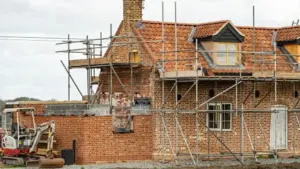
If you are planning to build a new property, extend an existing building, change the use of land or carry out certain other forms of development, you may need to apply for planning permission before starting work.
The planning process can seem complicated, particularly when you are unsure whether permission is required, what information to provide or which type of application to submit. Understanding the main stages can help you prepare your proposal and avoid unnecessary delays.
When Do You Need to Apply for Planning Permission?
Not every development requires a planning application. Some projects may fall under permitted development rights, which allow certain types of development to take place without a standard planning application, provided specific conditions and limitations are met.
You may need to apply for planning permission for projects such as:
- Constructing a new building
- Building a significant extension
- Developing previously undeveloped land
- Changing the use of a building or land
- Creating certain new commercial premises
- Installing certain temporary structures
The requirements depend on the development and the site. Before preparing an application, it is important to establish whether planning permission is actually required.
Check the Planning Position First
The first step is to assess the proposed development and the site.
Consider:
- What you want to build or change
- The existing use of the property or land
- The proposed use
- The size and scale of the development
- The location of the site
- Existing planning permissions
- Relevant planning policies
- Whether permitted development rights apply
Some sites may have additional planning constraints. For example, properties in conservation areas or areas with specific planning designations may be subject to additional considerations.
Establishing these factors early can help determine the most appropriate route before you apply for planning permission.
Choose the Right Type of Application
Planning applications can take different forms depending on the proposed development.
A full planning application provides detailed information about the complete proposal and is commonly used where a decision is required on the development as a whole.
An outline planning application can be used to establish whether development is acceptable in principle, with certain details potentially reserved for later approval.
There are also specific application types for certain residential, commercial and other developments.
Choosing the appropriate application type is important because it determines the information that needs to be provided and how the proposal will be assessed.
Prepare Your Planning Application
Once the planning route has been established, you can prepare the application.
The information required will depend on the type and complexity of the project. It can include:
- Application forms
- Site location plans
- Site plans
- Existing and proposed drawings
- Design information
- Planning statements
- Supporting documents
- Specialist reports
Larger or more complex developments may require additional information relating to matters such as transport, ecology, drainage, flood risk or heritage.
The application should provide enough information for the local planning authority to understand the proposal and assess its potential impact.
Consider the Planning Policies
Before you apply for planning permission, it is useful to understand the planning policies that apply to your site.
Planning authorities assess applications against relevant policies as well as other material considerations.
Depending on the proposal, these may relate to:
- Design
- Land use
- Housing
- Access and highways
- Parking
- Residential amenity
- Heritage
- Ecology
- Flood risk
- Landscaping
Understanding these considerations can help you identify potential issues and, where possible, address them in the proposal before submission.
Submit the Application
Once the application and supporting documents are ready, they can be submitted to the relevant local planning authority.
The authority will check whether the required information has been provided. This is known as the validation stage.
If information is missing, you may be asked to provide additional documents before the application can proceed.
A complete application can help avoid unnecessary delays at this stage.
What Happens After You Apply for Planning Permission?
Once an application has been validated, the local planning authority begins its assessment.
The application may be made available for public consultation, allowing neighbours and other interested parties to submit comments.
The planning authority will then assess the proposal against relevant planning policies and material considerations.
The assessment can consider:
- The principle of development
- Design and appearance
- The effect on neighbouring properties
- Access and highway safety
- Parking
- Ecology
- Heritage
- Flood risk
- The character of the surrounding area
The authority may also request additional information or amendments during the process.
How Long Does Planning Permission Take?
The time required to determine an application depends on its type and complexity.
Straightforward proposals may be determined relatively quickly, while larger or more complicated developments can take longer.
Additional information requests, amendments and consultation with other organisations can also affect the timescale.
Preparing the application thoroughly before submission can help reduce avoidable delays, although the overall timeframe depends on the individual project and planning authority.
What Happens If Planning Permission Is Approved?
If the application is approved, planning permission is granted.
The decision may include planning conditions that control aspects of the development, such as:
- Materials
- Landscaping
- Access
- Drainage
- Construction
- The timing of works
- Details requiring further approval
It is important to review the decision notice carefully and understand any conditions before starting development.
Planning permission is also separate from Building Regulations approval. Depending on the project, you may need to satisfy both sets of requirements.
What If Planning Permission Is Refused?
If your application is refused, the decision notice should explain the reasons.
Depending on the circumstances, you may be able to:
- Amend the proposal
- Address the concerns identified by the planning authority
- Submit a new application
- Appeal the decision
The most appropriate approach will depend on the reasons for refusal and whether the issues can realistically be addressed.
In some cases, changing the proposal and submitting a new application may be more appropriate than appealing.
Planning Permission and Building Regulations
Planning permission and Building Regulations have different purposes.
Planning permission considers whether the development is acceptable in its location and against relevant planning policies.
Building Regulations deal with technical standards for construction and safety, including structural stability, fire safety, ventilation and accessibility.
If your project requires both, obtaining planning permission does not automatically mean that Building Regulations approval has been secured.
Both should be considered when planning your development.
How Planning Build Can Help
Knowing how to apply for planning permission is only part of the process. Preparing the right information and presenting a proposal that responds to relevant planning considerations can also be important.
Planning Build can support property owners, developers and businesses with planning applications, planning permission advice, feasibility advice and planning strategy, architectural design and planning appeals.
Professional support can help you understand the planning position, prepare the necessary documents and navigate the application process.
Applying for Planning Permission
Before you apply for planning permission, establish whether an application is required and identify the appropriate planning route for your project.
A well-prepared application should clearly explain the proposed development and provide the information required for the planning authority to assess it. Addressing potential planning issues early can also help reduce delays and improve the overall process.
Planning Build can help you assess your proposal and support you through the planning application process.
Explore Planning Build’s services or contact Planning Build to discuss your project.