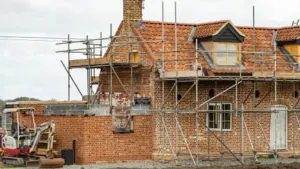
If you want to extend, alter or improve your home, you may need to submit a householder planning application before work begins. This type of planning application is designed specifically for proposals affecting a single dwelling and can cover projects such as extensions, loft conversions, garages, outbuildings and other alterations.
Not every home improvement requires planning permission. Some work may fall under permitted development rights, provided it meets the relevant conditions and limitations. Where planning permission is required, however, using the correct application type is an important part of the process.
This guide explains what a householder planning application is, when you may need one, what information is normally required and what happens after submission.
What Is a Householder Planning Application?
A householder planning application is used for proposals to alter or enlarge a single house, including development within the property’s garden or boundary.
The Planning Portal describes householder planning consent as the application route for works or extensions to a dwelling. It is commonly used for residential projects such as extensions, loft conversions, garages, outbuildings and other alterations.
The application type is intended for a single house rather than a flat or development involving multiple dwellings.
If your proposal involves a different type of development, you may need to use another planning application route.
When Do You Need a Householder Planning Application?
You may need a householder planning application when your proposed work requires planning permission and relates to an individual dwelling.
Common examples include:
- Single-storey or two-storey extensions
- Conservatories
- Loft conversions and dormer windows
- Garage alterations
- New or altered outbuildings
- Porches
- Swimming pools
- Walls, fences and gates
- Changes to the external appearance of a house
- Some alterations to driveways or access arrangements
The exact requirements depend on the proposal and the circumstances of the property.
It is important to establish whether planning permission is actually required before preparing an application. Some household projects may be covered by permitted development rights, subject to specific limitations and conditions.
Householder Planning Application vs Permitted Development
A common question is whether a homeowner needs to submit a planning application at all.
Permitted development rights allow certain household improvements and extensions to be carried out without submitting a standard planning application, provided the development complies with the applicable rules.
For example, some extensions, loft conversions and outbuildings may fall within permitted development. However, the rights are subject to conditions and limitations, and they do not apply automatically to every property or proposal.
If your project does not qualify for permitted development, or permitted development rights have been restricted, a householder planning application may be necessary.
Where you are uncertain, it is worth checking the planning position before investing in detailed drawings or starting construction.
What Does a Householder Planning Application Cover?
A householder application is generally concerned with development affecting an existing dwelling and its curtilage.
The application can cover alterations or extensions to the house as well as certain works within its garden or boundary.
However, there are important limits.
The Planning Portal states that the householder application should not be used for applications relating to flats, changes to the number of dwellings or changes of use to non-residential purposes. Applications involving these types of proposals may instead require full planning permission.
For example, converting a house into multiple flats is not normally dealt with as a householder application. Similarly, changing a property from residential use to a business use may require a different application.
Understanding the correct application type before submitting can help avoid unnecessary delays.
What Information Is Needed?
The documents required for a householder planning application will depend on the nature and location of the proposal.
Most applications will require a location plan and site plan, along with drawings and information that clearly describe the proposed development.
Depending on the project, this may include:
- Existing and proposed floor plans
- Existing and proposed elevations
- Site plans
- Location plans
- Design and access information where required
- Details of proposed materials
- Information about trees or hedges
- Ownership information
- A description of the proposed works
Your drawings need to show enough detail for the local planning authority to understand what you are proposing.
For example, a description such as “house extension” may not adequately explain the development. The application form guidance recommends describing the proposal accurately and concisely, including details such as the number of storeys and the position of extensions.
The exact supporting documents can vary according to the local authority and the characteristics of the site.
How Does the Householder Planning Application Process Work?
The process generally involves several stages.
1. Establish whether planning permission is required
Before preparing the application, determine whether your proposal requires planning permission or could qualify as permitted development.
2. Develop the proposal
Prepare your design and establish the size, position, materials and other details of the proposed works.
3. Prepare the application documents
Drawings, plans and supporting information should accurately describe the proposal.
4. Submit the application
Householder planning applications can be submitted online through the Planning Portal for applications in England. The application process includes the relevant forms, supporting documents and payment.
5. Validation
The local planning authority will check that the application contains the information required to process it.
The decision period for a householder planning application is normally eight weeks from validation.
6. Decision
The local planning authority will assess the proposal against relevant planning policies and other material considerations before reaching a decision.
If permission is granted, any conditions attached to the decision will need to be followed.
Can You Get Planning Advice Before Applying?
Yes. Pre-application advice can be useful if you are uncertain about the planning position or want to understand potential issues before submitting an application.
The Planning Portal notes that discussing a proposal with the local authority before submitting can be helpful, particularly where you need clarification about the proposal or application process.
Professional planning advice can also help you assess the proposal before committing to a full application.
This can be particularly useful where the project involves a large extension, unusual site constraints, previous planning refusals or restrictions affecting the property.
What Can Affect a Householder Planning Application?
Getting the application type right is only one part of the process. The proposal itself will need to be assessed against relevant planning considerations.
These may include:
- The size and scale of the development
- Its position on the property
- The appearance and design
- Impact on neighbouring properties
- Privacy and overlooking
- Access and parking
- The character of the surrounding area
- Trees and landscaping
- Relevant local planning policies
- Site-specific planning constraints
Previous planning decisions and conditions affecting the property may also be relevant.
This is why two homeowners proposing similar extensions can have different planning considerations depending on their properties and locations.
What If a Householder Planning Application Is Refused?
A refusal does not necessarily mean that development on the property is impossible.
The decision notice should explain the reasons for refusal. These reasons can help identify which aspects of the proposal raised concerns.
Depending on the circumstances, you may be able to revise the proposal and submit another application or appeal the decision.
GOV.UK confirms that applicants can appeal certain householder planning decisions where permission has been refused for reasons they believe conflict with the local planning authority’s development plan or planning policy.
Understanding the reason for refusal is important before deciding what to do next.
Do You Need Building Regulations Approval Too?
Planning permission and building regulations are separate matters.
A householder planning application deals with whether the proposed development is acceptable from a planning perspective. Building regulations deal with construction standards and other technical requirements.
As a result, receiving planning permission does not automatically mean that your building work has received building regulations approval. The two processes may need to be dealt with separately.
Before starting construction, check which approvals apply to your particular project.
Get Help With Your Householder Planning Application
A householder planning application may appear straightforward, but the quality and completeness of the proposal can affect how efficiently it can be assessed.
Planning Build can help homeowners understand their planning requirements, assess their proposed development and prepare for the planning application process.
Whether you are planning an extension, loft conversion, outbuilding or another alteration to your home, getting the planning position clear early can help you avoid unnecessary delays and make informed decisions about your project.
Explore Planning Build’s planning application services or contact the team to discuss your proposed development.