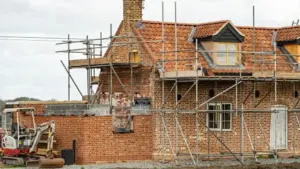
If you are planning to build, extend, convert or change the use of a property, you may need planning permission before work can begin. Understanding how to get planning permission can help you approach the process in the right order, identify potential issues early and prepare an application that gives your proposal the best possible chance of success.
The planning process can vary depending on the type and location of your development. Some projects may benefit from permitted development rights, while others require a formal planning application to the local planning authority.
From checking whether permission is required to preparing your application and responding to the planning decision, this guide explains the key stages involved.
1. Check Whether You Need Planning Permission
The first step is establishing whether your proposed development actually requires planning permission.
Planning permission may be required for development such as:
- Building a new property
- Constructing an extension
- Making significant external alterations
- Changing the use of a building or land
- Developing previously undeveloped land
- Carrying out certain engineering or building works
However, some development may be covered by permitted development rights. These rights allow certain types of development to take place without submitting a standard planning application, subject to specific conditions and limitations.
Other consents may also be required even where a planning application is not necessary. These can include listed building consent, building regulations approval, tree-related permissions or environmental permits, depending on the project.
If you are uncertain about the requirements for your project, getting professional planning permission advice can help you establish the appropriate route.
2. Understand Your Site and Planning Constraints
Once you know that planning permission may be required, the next step is to understand the site.
A proposal does not exist in isolation. The local planning authority will consider the development in relation to the site, surrounding area and relevant planning policies.
Potential considerations may include:
- Local planning policies
- The existing use of the property or land
- The character of the surrounding area
- Access and highways
- The scale and appearance of the development
- Impact on neighbouring properties
- Heritage considerations
- Flood risk
- Ecology and trees
- Green Belt or other planning designations
Identifying these matters before preparing your application can help you determine whether your initial proposal needs to be adapted.
3. Consider Your Development Options
Before investing in detailed drawings and supporting documents, consider what you are realistically able to achieve on the site.
For landowners and developers, this can be particularly important. A site may have development potential, but planning constraints could influence the scale, design or use that is achievable.
A feasibility assessment can help you understand the opportunities and constraints associated with a site before moving forward.
Planning Build provides feasibility advice and strategy to help clients assess development opportunities and establish appropriate planning strategies.
4. Develop Your Proposal
Once the planning context has been considered, you can develop the proposal itself.
For a building project, this may involve producing architectural drawings showing the existing property and proposed development.
The design should take account of relevant planning considerations rather than being developed independently of them.
Depending on the project, you may need:
- Existing and proposed floor plans
- Elevations
- Site plans
- Location plans
- Design information
- Access information
- Supporting statements
- Technical reports
Planning Build also provides architectural design services where design support is required as part of a development project.
5. Prepare Your Planning Application
Once the proposal has been developed, the next stage is preparing the planning application.
The exact requirements depend on the type of application and the development being proposed.
Supporting information may include drawings, planning statements and technical reports where relevant.
It is important to provide information that is appropriate to the application rather than simply submitting as much documentation as possible. Government planning guidance encourages relevant and necessary supporting information to be provided as part of the application process.
For more complex developments, professional planning application support can help ensure that the proposal and supporting information are properly coordinated.
You can also explore Planning Build’s planning application services for professional support with preparing and progressing an application.
6. Submit the Application
Once the application has been prepared, it can be submitted to the relevant local planning authority.
The authority will check the application and determine whether it contains the information needed for validation.
Once validated, the application can proceed to assessment and consultation.
The local planning authority is generally responsible for making the planning decision in the first instance.
7. Understand the Consultation and Assessment Process
After an application has been submitted and validated, the local planning authority will assess the proposal.
Depending on the application, the authority may consult neighbours, statutory consultees, and other interested parties.
The assessment can consider matters such as:
- The size and layout of the development
- Its siting and external appearance
- Access and infrastructure
- Landscaping
- The proposed use
- The effect on the surrounding area
- Relevant planning policies
- Other material considerations
Planning decisions are generally made in accordance with the development plan unless material considerations indicate otherwise.
This is why understanding the planning context before submitting an application is so important.
8. Wait for the Planning Decision
Once the application has been assessed, the local planning authority will issue a decision.
The application may be:
- Approved
- Approved subject to conditions
- Refused
For many applications, the standard determination period is eight weeks from validation, although different timescales can apply to certain types of development. Major applications generally have a longer statutory period, and a longer period can also be agreed with the applicant.
A planning approval may also include conditions that need to be complied with before or during development.
9. What If Planning Permission Is Refused?
If your planning application is refused, you should first review the reasons given by the local planning authority.
A refusal does not necessarily mean that development cannot proceed.
Depending on the circumstances, you may be able to:
- Amend the proposal
- Address the reasons for refusal
- Submit a new planning application
- Seek further planning advice
- Appeal the decision
Applicants can generally appeal where planning permission has been refused, where unacceptable conditions have been imposed or, in certain circumstances, where the local planning authority has failed to determine the application within the relevant period.
Planning Build can provide planning appeal support if an appeal is appropriate for your project.
How Can You Improve Your Chances of Getting Planning Permission?
There is no guaranteed way to secure planning permission. Each application is assessed according to its individual circumstances.
However, careful preparation can help you address potential issues before submission.
Consider:
Get Advice Early
Early planning advice can help identify constraints and potential opportunities before you commit to a detailed proposal.
Understand Local Planning Policies
Your proposal should respond to the relevant planning policies and the characteristics of the site.
Make Sure Your Drawings Are Accurate
Plans and drawings should clearly and accurately represent the existing and proposed development.
Address Potential Concerns
Consider issues such as overlooking, design, access, parking, scale, appearance and impact on neighbouring properties where they are relevant to the proposal.
Provide the Right Supporting Information
Missing or inadequate information can create unnecessary complications. The supporting information should be relevant to the development and sufficient for the authority to assess the proposal.
How Planning Build Can Help You Get Planning Permission
Knowing how to get planning permission is only the starting point. The appropriate planning strategy depends on your property, land, proposed development and the planning policies that apply to the site.
Planning Build can support you through different stages of the process, including:
- Planning advice
- Development feasibility
- Planning strategy
- Architectural design
- Planning application preparation
- Application support
- Planning appeals
Whether you are a homeowner, landowner, or developer, getting professional advice early can help you understand your options and approach the planning process with greater clarity.
If you are planning a development and want professional support with how to get planning permission, Planning Build can help you understand the requirements, prepare your proposal and navigate the application process.
Contact Planning Build to discuss your project and find out how we can support your planning application.