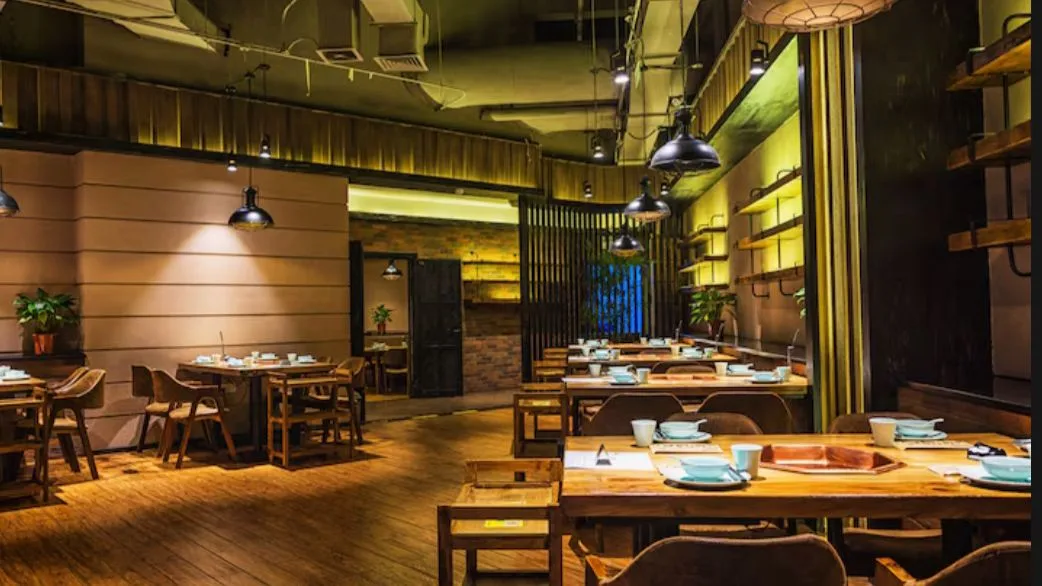
Introduction to Restaurant Planning Permission UK
Opening a new restaurant in the UK is an exciting venture, but it can be fraught with regulatory hurdles, one of the most significant being planning permission. Understanding restaurant planning permission UK requirements is crucial for anyone hoping to transform a property into a successful dining establishment. This thorough guide will demystify the process and empower restaurateurs, investors, and property owners to navigate the development and change-of-use process with confidence.
What is Planning Permission?
Planning permission is the official approval from your local council enabling you to build a new structure or change the use of an existing building. For those in the restaurant business, this process determines if you can legally convert a premises or construct an entirely new restaurant. Failing to secure restaurant planning permission UK can lead to enforcement action, fines, or even closure, making it a critical part of a restaurant’s early development.
Understanding Use Classes in the UK
The UK has a system of “use classes” which categorise types of property use for planning purposes. Restaurants typically fall under Class E (Commercial, Business and Service), which replaced the previous A3 use class in 2020. Class E covers a wide range of activities, including restaurants, cafés, shops, offices, and some indoor recreational activities.
If you’re taking over a property already under Class E, you may find it easier to open your restaurant. However, there are occasions where a change of use application will be required, particularly if the existing property falls outside Class E or has restrictions in place from previous planning conditions.
Do All New Restaurants Need Planning Permission?
Not every new restaurant requires a full planning application. If the property’s existing use falls within Class E and there are no restrictive conditions or local authority objections, you may not need formal planning permission to operate a restaurant. However, major alterations (such as significant building work, extensions, or signage) typically will require planning approval.
It is important to check for Article 4 Directions, which local councils may apply to remove permitted development rights in certain areas. This means even changes within the same use class might require permission in conservation areas or high streets with special character protections.
When is Restaurant Planning Permission Required?
Restaurant planning permission UK is needed in the following circumstances:
- Change of use: Converting a shop (previously Class A1), office, or any non-Class E property into a restaurant.
- Structural changes: Major renovations, external alterations, new buildings, or extensions.
- Listed buildings or conservation areas: Any modifications to listed structures or sites in protected zones need special consent.
- Outdoor seating and signage: Installing canopies, permanent tables, outdoor lighting, or certain advertisements may require separate consents.
- Odour extraction, flues, and kitchen installations: Installation of venting systems or external units often requires planning permission or building regulations approval.
The Planning Application Process
Applying for restaurant planning permission in the UK is a structured process. Typical stages include:
- Initial Assessment: Research the current property use, local planning policies, and any restrictions attached to the site.
- Pre-application Advice: Many local authorities offer pre-application services. A preliminary discussion with the planning department can highlight obstacles, saving time and money.
- Submit Application: Complete the planning permission application (usually online via the Planning Portal) and supply detailed plans, drawings, statements, and the appropriate fee.
- Consultation: The council will consult neighbours, statutory bodies, and other stakeholders. They will display a notice and sometimes invite public comments.
- Decision: The planning team evaluates the proposal against local and national planning policies, then issues a decision (grant or refusal, with conditions).
- Right to Appeal: If refused, or if you disagree with certain conditions, you can appeal to the Planning Inspectorate.
Key Considerations for Restaurant Planning Permission UK
During the application, local planning authorities take into account several important factors for restaurant developments:
- Impact on Local Area: Noise, waste, litter, smells, and increased foot or road traffic can all be grounds for concern. Outline mitigation measures in your application.
- Design and Accessibility: The building’s style should fit the area. Accessibility for disabled patrons is also a statutory requirement under the Equality Act 2010.
- Opening Hours: Propose operational hours that are considerate to nearby residents and compliant with local policies.
- Highways and Parking: Increased traffic and lack of parking can lead to objections. Provide a realistic transport plan or highlight sustainable travel infrastructure nearby.
- Ventilation and Extraction: Detailed plans showing odour and noise mitigation from kitchens are essential.
- Waste Management: Outline how food waste and general rubbish will be stored and removed, to avoid pest and litter issues.
Permitted Development Rights for Restaurants
Certain changes do not require full planning permission under “permitted development rights.” In particular, moving between Class E uses often requires no formal application unless exceptional local restrictions (like Article 4 Directions) exist. Additionally, some temporary uses (such as pop-up restaurants or takeaway services in response to COVID-19) have previously benefited from emergency permitted development rights, though these may not be permanent.
Always check with your local planning authority before assuming permitted development rights apply to your intended restaurant use or alterations.
Planning Permission vs. Building Regulations
It is important to distinguish between planning permission and building regulations approval. Planning permission relates to the use and external appearance but does not cover the health, safety, and structure of your building fit-out. Even if you do not need planning permission, all restaurant projects must comply with building regulations for fire safety, disabled access, ventilation, sanitary facilities, electrical installations, and structural alterations.
Common Reasons for Refusal of Restaurant Planning Permission UK
Restaurant planning permission applications may be refused for a number of reasons, such as:
- Unsuitable location (e.g., residential areas with high anticipated noise or traffic)
- Inadequate arrangements for waste management or extraction systems
- Lack of parking or traffic management solutions
- Adverse effect on heritage sites or conservation areas
- Failure to demonstrate accessibility or compliance with building regulations
- Poor design/visual impact, inconsistent with local character
It is therefore essential to address these points in your planning application and accompanying documents.
Tips for Successful Restaurant Planning Permission Applications
To maximise your chances of receiving approval:
- Engage with local authorities early and seek pre-application advice.
- Consult neighbours and address likely objections proactively.
- Hire experienced professionals, such as planning consultants, architects, and environmental engineers, to prepare documentation.
- Provide clear, detailed plans and statements covering noise, odour, waste, transport, and accessibility.
- Demonstrate how your restaurant will positively contribute to the area’s economy, community, and footfall.
Change of Use Applications: What to Include
If your project requires a change of use, for example, converting a bank to a restaurant, your planning permission submission should include:
- Site location plan
- Existing and proposed floor plans
- Design and access statement (if required)
- Supporting information about extraction, waste, and noise control
- Transport assessment (if required)
- Flood risk or heritage impact assessments (if relevant)
Planning Considerations for Licensing
Restaurant planning permission is separate from alcohol, entertainment, and late-night refreshment licensing. You must apply for a premises licence from your local council if your business intends to sell alcohol or offer regulated entertainment. The layout, hours, and other planning consent terms often influence a licensing decision, so ensure you have considered both processes in parallel.
Securing Restaurant Planning Permission UK with Confidence
Navigating restaurant planning permission UK is a vital step in turning your hospitality vision into a fully operational business. While many restaurant premises fall under Class E and may not require a full change of use, most new restaurant setups still involve planning considerations, especially where structural changes, extraction systems, signage, or sensitive locations are involved.
From managing noise, odour, waste, and traffic impacts to meeting accessibility standards and local design expectations, planning authorities carefully assess how a restaurant will function within its surrounding environment. In conservation areas, listed buildings, or high-footfall residential zones, the approval process becomes even more detailed and competitive.
A well-prepared application that clearly addresses these concerns not only reduces delays but significantly increases your chances of approval. Understanding both planning permission and building regulations is also essential to ensure your restaurant is fully compliant from day one.
At Planning Build, we specialise in helping restaurant owners, investors, and developers successfully secure restaurant planning permission UK. Our team provides end-to-end support from feasibility assessments and design guidance to preparing and submitting strong, policy-compliant planning applications tailored to your project.
Planning to open or convert a restaurant? Contact Planning Build today for expert planning advice and tailored support to bring your hospitality project to life.