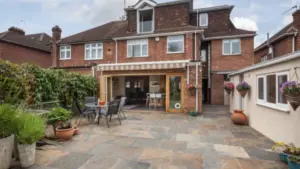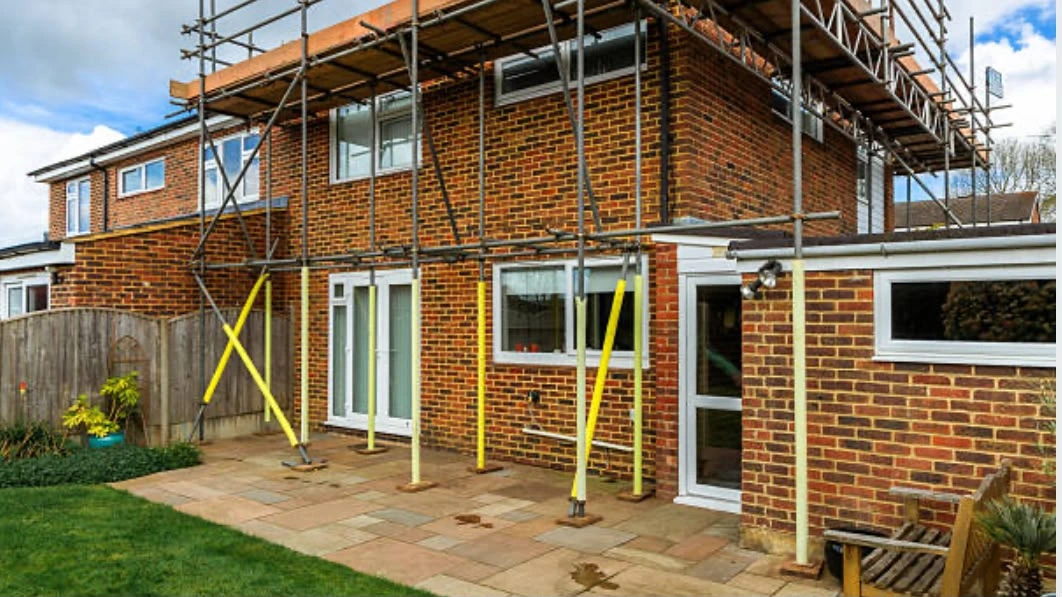
Are you considering extending your home in Nottingham, but worried about possible objections from neighbours or the local authorities? Gaining planning permission can be a complex process, especially in bustling cities like Nottingham, where space is at a premium and local regulations can be strict. If you want to make sure your house extension dreams become a reality, understanding the most common planning objections and how to address them is crucial. In this article, we’ll break down everything you need to know about house extension planning objections Nottingham, sharing insights based on local expertise to help you navigate the process smoothly and effectively.
Understanding House Extension Planning in Nottingham
House extensions are one of the most popular ways to add value, space, and functionality to homes in Nottingham. Whether you’re considering a single-storey extension, loft conversion, or a double-storey side return, any significant addition is likely to require planning permission from Nottingham City Council or the relevant local planning authority in the wider Nottinghamshire area.
The planning process exists to ensure that new developments are appropriate for their surroundings and do not negatively affect neighbours, the environment, or the character of local communities. While not every extension needs formal planning consent (some fall within permitted development rights), most extensive or prominent projects will require detailed plans and approval.
When you submit your house extension planning application, local residents and other stakeholders are given the chance to review and potentially object to your plans. Understanding how these objections work is a key step in increasing your project’s chances of swift approval.
Why Do People Object to House Extensions?
Through the planning process, members of the public can make representations about a proposed house extension. In Nottingham, these most often come from immediate neighbours, but can also originate from residents’ associations, conservation groups, or even local councillors.
Objections are typically focused on one or more of the following areas:
- Loss of Privacy: Neighbours may be concerned that windows, balconies, or terraces will overlook their properties.
- Loss of Light or Overshadowing: Extensions, particularly double-height additions, can block sunlight to neighbouring homes or gardens.
- Overbearing Impact: Large or imposing extensions can feel dominant or out-of-scale, especially in terraced or closely-set homes.
- Loss of Outlook: Sometimes, an extension can spoil a pleasant view or outlook for neighbours, which can be considered a material planning issue.
- Parking and Traffic: More bedrooms may increase demand for on-street parking, adding to congestion in tightly-packed areas.
- Character and Appearance: Residents and community groups may object if they feel your extension doesn’t fit with the local architectural style or conservation guidelines.
- Noise and Disturbance: Concerns about the construction process or potential subsequent use (especially in the case of rental properties, HMOs, or home offices).
- Environmental Impact: In rare cases, extensions may raise concerns about wildlife, trees, or protected habitats in the Nottingham area.
Not all objections are treated equally by the planning department. Only material planning considerations will have a significant effect on the outcome of your application. For example, a neighbour being unhappy about losing a private view (as opposed to a public view) is not usually a valid planning objection.
The Planning Application Process in Nottingham
Before diving into specific objections, it’s important to understand how the planning process works in Nottingham. Here’s a brief overview:
- Pre-Application Advice: Many homeowners opt to seek informal advice from Nottingham City Council’s planning department or hire an architect familiar with local policy before submitting a formal application. This can help identify and mitigate potential issues early.
- Submission of Application: You (or your agent) submit detailed plans, site diagrams, and application forms via the local authority’s planning portal.
- Public Consultation: The council will notify immediate neighbours and often place a site notice for public viewing. Consultation usually lasts 21 days.
- Assessment by Planning Officers: Planners evaluate the project, considering local policies, design guides, and any objections made.
- Decision: Most routine extensions are decided by council planning officers. If the application is controversial or there are many objections, it may go to a committee for a decision.
- Right to Appeal: If your application is refused, you can appeal the decision. Alternatively, you can try to resolve the objections and resubmit your proposal.
This process is designed to balance your development rights with the interests of the wider community and the environment. Understanding where and how objections can arise gives you a better chance of success.
Common House Extension Planning Objections in Nottingham
Let’s look in more detail at the most frequent types of house extension planning objections Nottingham homeowners face, and how to deal with them:
1. Loss of Light and Overshadowing
Neighbours frequently object to extensions that they believe will block sunlight to their windows or gardens. Nottingham planning officers use design guides to assess overshadowing, often applying the “45-degree rule,” which measures whether your extension will cast significant shadow onto a habitable room window of a neighbouring property.
How to Address: Your architect can model the likely shadow cast by your extension throughout the day and the year, adjusting the design or setting back the structure to reduce the impact. Including a sunlight/daylight assessment with your application can demonstrate your awareness and consideration of this issue.
2. Loss of Privacy or Overlooking
Concerns about being overlooked are common in Nottingham’s tightly packed Victorian terraces, semi-detached homes, and rapidly expanding new-build estates. Adding windows, terraces, or balconies at upper levels often leads to strong objections.
How to Address: Minimise side-facing windows or use obscure glazing where privacy is critical. If possible, set new windows further away from boundary lines, or provide landscaping to screen sightlines. Your planning statement should explain how you’ve tried to protect neighbours’ privacy.
3. Overdevelopment and Out-of-Character Designs
Neighbours and local groups may object that your proposal is too large for the plot or out of keeping with other homes on the street. This is especially scrutinised in Nottingham’s Conservation Areas or near listed buildings.
How to Address: Stay within local size and massing guidelines, use materials in keeping with neighbouring properties, and consider stepped or staggered designs to break up large extensions visually. In Conservation Areas, you may need to provide detailed heritage statements or consult with local conservation officers.
4. Effects on Parking and Highway Safety
If your extension adds bedrooms but doesn’t include extra parking, neighbours may argue that it will worsen existing parking congestion. This is common in areas with controlled parking zones (CPZs) or busy streets in Nottingham city centre.
How to Address: Demonstrate that your extension is unlikely to significantly increase car ownership or traffic, or consider incorporating off-road parking in your plans. Highlight access to public transport where appropriate.
5. Noise, Disturbance, and Disruption
During the construction phase, neighbours might worry about noise, dust, traffic from construction vehicles, or disruption to shared access roads or driveways.
How to Address: While building-phase issues are typically not planning concerns (as these are dealt with separately under Environmental Health regulations), it’s wise to keep neighbours informed and ensure your builder follows local codes of conduct.
6. Damage to Trees and Wildlife
If your extension could affect mature trees, hedges, or wildlife (such as bats or nesting birds) common in Nottingham’s suburban areas, objections may follow.
How to Address: Commission a tree survey or ecological impact assessment if your proposal is near protected habitats. Local authorities may attach conditions requiring tree protection during building or specific mitigation measures.
7. Loss of Outlook and Amenity
Physical considerations aside, some neighbours argue that an extension will spoil their views or general amenity. Loss of a pleasant garden view, while not strictly a planning consideration, can become contentious if amenity is significantly reduced.
Final Thoughts on House Extension Planning Objections in Nottingham
Navigating house extension planning objections in Nottingham can seem challenging, but objections do not automatically mean your project will fail. The key to success lies in understanding local planning policies, anticipating common concerns, and designing your extension with both compliance and neighbour relationships in mind.
From issues surrounding privacy and overshadowing to parking pressures, conservation area restrictions, and neighbourhood character, many objections can be reduced or avoided entirely- with careful preparation and expert guidance. By addressing concerns early, engaging with neighbours, and presenting a well-supported application, you can significantly improve your chances of securing planning approval.
At Planning Build, we specialise in helping homeowners across Nottingham overcome planning challenges and move projects forward with confidence. Whether you need support with house extension planning applications, objection responses, design revisions, or planning appeals, our experienced team is here to help every step of the way.
Planning a house extension in Nottingham or dealing with planning objections? Contact Planning Build today for expert advice and tailored planning support designed to maximise your chances of approval and bring your extension plans to life.