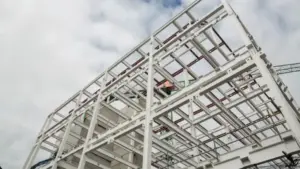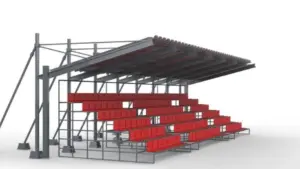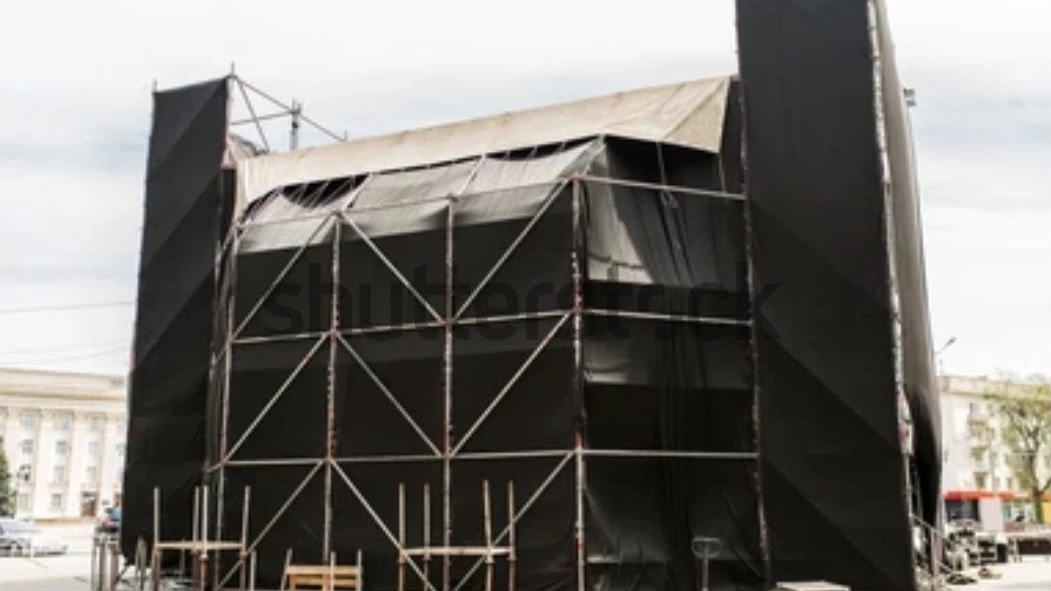
Common examples include marquees, temporary stages, grandstands, exhibition stands, viewing platforms, temporary seating, canopies, event pavilions and site facilities. While these structures are designed for short-term use, event organisers should not assume that temporary status automatically removes the need for planning permission or other approvals.
Depending on the structure, location, duration and nature of the event, planning requirements may still apply. Event organisers may also need to consider building control, licensing, health and safety, structural design, access and site-specific requirements.
At Planning Build, we help event organisers, venue owners, landowners, businesses and developers understand the planning implications of temporary event structures before installation begins. Our team provides strategic planning advice, feasibility assessments, architectural design and planning application support to help projects move forward with clarity and confidence. Planning Build provides professional advice, documentation, strategy and representation to support clients seeking approval from their local planning authority.
What Are Temporary Event Structures?
Temporary event structures are installations designed to support an event for a limited period. They may be portable, modular, demountable or capable of being assembled and removed after the event.
Temporary event structures can include:
- Marquees and event tents
- Temporary stages
- Grandstands and temporary seating
- Exhibition stands
- Event pavilions
- Temporary bars and hospitality areas
- Viewing platforms
- Canopies and shelters
- Temporary walkways and platforms
- Ticket booths and entrance structures
- Temporary retail units
- Site offices and welfare facilities
- Lighting and sound support structures
- Temporary fencing and crowd-management installations
The size, complexity and intended use of these structures can vary significantly. A small marquee used for a private event may have very different planning considerations from a large festival site with temporary stages, hospitality areas, public facilities and thousands of visitors.
The planning position should therefore be assessed according to the individual project rather than the general description of the structure.
Before committing to a venue, structure supplier or event layout, Planning Build can provide feasibility advice & strategy to identify planning constraints, assess project risks and recommend an appropriate route forward.
Do Temporary Event Structures Require Planning Permission?
Not every temporary event structure will require planning permission. However, the fact that a structure is temporary, portable or capable of being dismantled does not automatically mean that it is outside planning control.
The planning position may depend on:
- The type and scale of the structure
- The proposed use
- The duration of the installation
- How frequently the event will take place
- The location of the site
- The number of visitors expected
- The effect on traffic and parking
- Noise and operating hours
- The impact on neighbouring properties
- The visual effect on the surrounding area
- Whether the site is subject to planning restrictions
- Whether the proposal benefits from permitted development rights
A temporary structure may also be assessed alongside the wider event rather than in isolation. For example, a large event may create significant changes in traffic, noise, visitor numbers and activity, even if the structures themselves are only present for a short period.
Planning Build’s Planning Permission service can help assess whether formal planning approval may be required and develop a strategy that reflects the specific location and event proposal.
Common Temporary Event Structures and Their Planning Considerations
Marquees and Event Tents
Marquees are commonly used for weddings, festivals, corporate events, exhibitions and seasonal celebrations.
Planning considerations may include:
- The size and location of the marquee
- How long it will remain in place
- The frequency of events
- The number of guests
- Noise and entertainment
- Traffic and parking
- Access for emergency services
- The impact on nearby residents
A marquee used occasionally for a small private event may be treated differently from a large structure used regularly for commercial events.
If a venue intends to host recurring events, Planning Build can assess whether the existing planning permission allows the proposed activity or whether additional consent may be required.
Temporary Stages
Temporary stages are used for concerts, festivals, theatre performances, community events and corporate presentations.
The planning implications may extend beyond the stage itself. The local authority may consider the following:
- The scale and height of the stage
- Sound and lighting equipment
- Noise levels
- Event operating hours
- Audience capacity
- Site access
- Public safety
- The impact on nearby properties
A well-planned site layout can help demonstrate that these matters have been considered.
Planning Build can support event organisers with planning strategy and Architectural Design services to help communicate the proposed layout clearly.
Temporary Grandstands and Seating
Temporary grandstands and seating areas are often used for sporting events, festivals, outdoor performances and public gatherings.
Key considerations may include:
- Audience capacity
- Access and evacuation routes
- Location within the site
- Relationship with nearby buildings
- Structural design
- Emergency access
- The duration of use
Planning requirements may depend on the scale of the installation and whether the event creates additional impacts on the surrounding area.
Exhibition and Event Pavilions
Temporary exhibition structures are commonly used for trade shows, product launches, cultural events and public exhibitions.
The planning authority may consider the structure’s appearance, size, location and impact on public spaces. Where the event attracts significant visitor numbers, transport, access and parking may also become relevant.
Planning Build can help develop a planning strategy that considers both the temporary structure and the wider event activity.
Temporary Hospitality and Retail Structures
Temporary bars, food areas, pop-up restaurants and retail units can support events by providing additional services for visitors.
However, the proposed use may create planning considerations relating to:
- Operating hours
- Noise and odour
- Deliveries
- Waste management
- Customer access
- Public safety
- The impact on neighbouring properties
Depending on the site and activity, other permissions or licences may also be required.
Planning Considerations for Temporary Event Structures
Temporary event structures are often assessed within the context of the wider event and the characteristics of the site.
Location and Site Constraints
The location of an event can significantly affect the planning process.
Additional restrictions or considerations may apply where the site is:
- Within a conservation area
- Near a listed building
- Located in the Green Belt
- Within a protected landscape
- Close to residential properties
- Subject to existing planning conditions
- Located on land with restricted access
These constraints do not necessarily prevent an event from taking place. However, they may require careful planning and a stronger evidence-based approach.
Planning Build can review planning policies, site history and local constraints before significant commitments are made.
Impact on Neighbours
Temporary events can affect neighbouring residents and businesses through:
- Noise
- Increased activity
- Late operating hours
- Additional traffic
- Light pollution
- Loss of privacy
- Visual impact
These matters should be considered during the planning stage rather than after the event has been designed.
A clear strategy may include appropriate site positioning, operating restrictions, noise-management measures and event layouts that reduce potential impacts.
Highways, Access and Parking
Large events may generate significant vehicle and pedestrian activity.
Planning authorities may consider:
- Visitor arrival and departure
- Parking capacity
- Public transport access
- Delivery arrangements
- Pedestrian routes
- Emergency access
- Traffic management
These issues may be particularly important where the event takes place on a rural site or in an area with limited road capacity.
Planning Build can help identify potential highways and access issues early so that they can be addressed within the project strategy.
Design and Visual Impact
Although temporary event structures are not permanent, they may still have a noticeable visual effect.
The planning authority may consider the following:
- The height and scale of structures
- Their location within the site
- External materials and appearance
- Visibility from public areas
- The effect on the character of the area
- The relationship with existing buildings and landscape features
Professional drawings and site plans can help explain how the structures will be positioned and how the event will operate.
Planning Permission and Other Event Approvals
Planning permission is only one part of the approval process.
Depending on the event, additional requirements may relate to:
- Premises or event licensing
- Alcohol and entertainment
- Health and safety
- Fire safety
- Building control
- Structural certification
- Food safety
- Temporary road closures
- Traffic management
- Environmental health
- Public liability and insurance
The requirements will depend on the type of event, location, scale and activities involved.
Planning Build focuses on the planning, design and development aspects of temporary event structures. Where other specialist approvals are required, early coordination can help prevent conflicts between the event design and regulatory requirements.
How Planning Build Can Help With Temporary Event Structures
Planning Build provides practical support from the early stages of a project through to planning submission and decision.
Our services can include:
- Initial planning advice
- Site feasibility assessments
- Planning policy reviews
- Event development strategy
- Architectural design
- Site layout plans
- Planning drawings
- Planning statements
- Planning application preparation
- Application submission
- Liaison with the local planning authority
- Advice on planning conditions
- Support following a planning refusal
Where a planning application is required, our Planning Application service can help prepare and manage a complete submission.
A strong application should explain:
- The purpose of the event
- The type and scale of temporary structures
- The proposed duration
- The expected visitor numbers
- How the site will operate
- How traffic and access will be managed
- How potential impacts will be reduced
- Why the proposal is appropriate for the location
Planning Build uses a policy-driven approach to assess planning risks and prepare evidence that supports the proposed development. The company’s planning process includes an initial discussion, planning research, expert consultation and a written assessment setting out feasibility, risks and recommended next steps.
Why Professional Planning Advice Matters
Event planning often involves multiple suppliers, tight deadlines and significant financial commitments. Discovering a planning issue after a venue has been booked or structures have been hired can create costly delays.
Early planning advice can help event organisers:
- Identify planning risks before committing to a site
- Understand whether permission may be required
- Review relevant planning conditions
- Assess local policy constraints
- Prepare accurate site layouts
- Address potential concerns before submission
- Reduce the risk of avoidable delays
- Develop a stronger planning case
Planning Build provides tailored advice based on the site, event and proposed structures. Our team helps clients turn complex planning requirements into clear, practical steps.
What If Planning Permission Is Refused?
A planning refusal does not necessarily mean that an event proposal cannot proceed.
The decision should be reviewed carefully to understand the reasons for refusal and identify whether the proposal can be amended, supported by additional evidence or challenged through an appeal.
Planning Build’s Planning Appeal service provides strategic support for clients responding to refused applications. The service can include appeal strategy, written representations and evidence-based planning arguments that address the authority’s reasons for refusal.
The appropriate next step will depend on the planning decision, the strength of the policy case and the specific circumstances of the site.
Frequently Asked Questions About Temporary Event Structures
What are temporary event structures?
Temporary event structures are installations designed to support an event for a limited period. They can include marquees, stages, grandstands, exhibition stands, temporary seating, canopies, event pavilions and site facilities.
Do temporary event structures require planning permission?
Some may require planning permission, while others may not. The answer depends on the structure’s size, use, duration, location and impact, as well as the nature of the wider event.
Do marquees need planning permission?
A marquee does not automatically require planning permission, but the planning position depends on how it is used, how long it remains in place, how frequently it is installed and the impact of the associated event.
Do temporary stages need planning permission?
The planning position depends on the scale, location, duration and wider event activity. Large stages may also raise issues relating to noise, lighting, audience capacity and visual impact.
Can Planning Build help with event planning applications?
Yes. Planning Build can assess the planning position, review site constraints, prepare planning drawings and supporting documents, submit the application and liaise with the local planning authority.
Are planning permission and event licences the same?
No. Planning permission relates to the development and use of land, while event licences may regulate activities such as entertainment, alcohol sales and public events. A project may require one, both or other approvals depending on its circumstances.
Get Expert Planning Support for Temporary Event Structures
Temporary event structures can create flexible and engaging spaces for festivals, weddings, exhibitions, sporting events, corporate gatherings and public celebrations. However, the planning requirements should be understood before structures are hired, installed or promoted.
Early planning advice can help identify risks, avoid unnecessary costs and create a clearer route towards approval.
At Planning Build, we help event organisers, venue owners, landowners and businesses assess planning requirements, develop practical strategies and prepare robust planning applications.
Whether you need advice on Planning Permission, support with a Planning Application or professional Architectural Design services, our team can provide tailored guidance for your project.
Visit the Planning Build Services page to explore our full range of planning and design support, or contact our team to discuss your temporary event structure and take the next step with confidence.