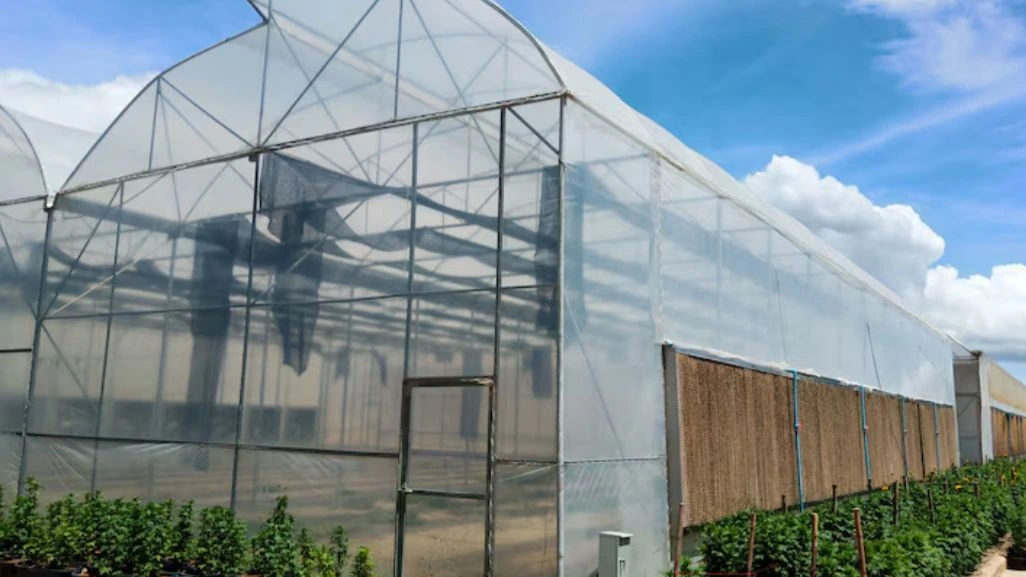
Introduction to Agricultural Building Planning Permission UK
Agriculture is a cornerstone of the UK economy and rural landscape. As farming practices evolve and expand, the need to construct, enhance, or repurpose agricultural buildings becomes increasingly common. However, any such development is governed by a complex framework of planning regulations. Understanding when planning permission is required for agricultural buildings, the intricacies of permitted development rights, exemptions, application procedures, and best practices is crucial for every landowner and farmer. This comprehensive guide will walk you through everything you need to know about agricultural building planning permission UK, ensuring you stay compliant while safeguarding your farming operations.
Overview of Planning Permission for Agricultural Buildings in the UK
Planning permission is a legal requirement for most new buildings, major alterations, or changes in land use across the UK. This ensures that developments do not adversely impact the environment, local amenities, or community interests. However, in recognition of the unique needs of the agricultural sector, the planning system includes specific regulations and permitted development rights tailored for farm operations.
When considering constructing barns, sheds, silos, livestock shelters, or storage units, understanding the regulatory landscape around agricultural building planning permission UK is essential. Failing to obtain the correct permission could result in enforcement action or even demolition orders. Let’s delve into the details.
Permitted Development Rights for Agricultural Buildings
In the UK, certain types of development can be carried out without full planning permission under the provisions known as permitted development rights (PDRs). These rights are particularly relevant to farmers and landowners, enabling the construction, extension, or alteration of agricultural buildings within specific limits and conditions.
The primary legislation governing this is the Town and Country Planning (General Permitted Development) (England) Order 2015 (amended periodically). Equivalent legislation exists in Scotland, Wales, and Northern Ireland, but there may be nuanced differences.
What Types of Agricultural Buildings are Covered?
Typically, permitted development rights apply to buildings necessary for the purposes of agriculture within agricultural units of five hectares (12.35 acres) or more. Buildings covered often include:
- Storage barns for machinery, animal feed, and crops
- Livestock shelters and housing units
- Silos and grain bins
- Workshop buildings
- General-purpose agricultural sheds
However, dwellings, offices, farm shops, or buildings intended for non-agricultural use are not normally covered by PDRs and usually require a full planning application.
Permitted Development Classifications: Class A, B, and Q
Permitted development rights for agricultural buildings fall under different classes:
- Class A: Covers new agricultural buildings and extensions to existing buildings within units over 5 hectares.
- Class B: Applies to smaller agricultural units between 0.4 and 5 hectares, with stricter limitations on size.
- Class Q: Relates to the conversion of agricultural buildings to residential use (barn conversions), with specified criteria.
Understanding which class your project falls under is vital for compliance.
Key Limitations and Conditions for Agricultural Permitted Development
To utilise permitted development rights for agricultural buildings, several conditions and limits must be satisfied:
- The agricultural unit must be 5 hectares or larger (though limited rights exist for smaller holdings).
- The building must be for agricultural purposes only.
- Maximum floor area for new buildings: 1,000 sq metres (Class A).
- Maximum overall height: 12 metres. Eaves height: max. 3 metres (within 3 km of an aerodrome, special restrictions apply).
- No area more than 465 square metres can be covered by extensions or additional buildings within any two-year period, for units under 5 hectares.
- The works must not be carried out on land within certain protected areas—such as National Parks, Areas of Outstanding Natural Beauty (AONB), SSSIs, conservation areas, or World Heritage Sites. In these locations, full planning permission is almost always required.
- Development must not be within 25 metres of a classified road.
- The building must not be used for slurry or fuel storage within 400 metres of a protected building (e.g., a house), unless conditions are met.
- Buildings can’t be used as dwellings under Class A; a separate process (Class Q) exists for conversions to residential use.
It is always advisable to consult your local planning authority (LPA) and review the latest regulations, as rules are subject to periodic changes and may vary between parts of the UK.
Prior Notification Requirement
Even where a development is permitted under PDRs, a “prior notification” process applies. Before work begins, you must notify your LPA and provide specific information including:
- A description of the proposed building or works
- Intended use of the building
- Plans and elevations (typically at a scale of 1:500 or 1:2500)
- The building location, dimensions, materials, and construction details
The LPA then has 28 days to determine whether prior approval is required for aspects such as siting, design, or external appearance. If no response is received after 28 days, development may proceed as set out, but always follow up in writing and keep evidence of communications.
When is Full Planning Permission Required?
You will need to apply for full planning permission if:
- Your proposed agricultural building does not meet permitted development criteria (for example, size or location exceeds limits).
- The land is in a designated area with protection or restrictions (e.g., National Park, AONB, conservation area).
- The project is for non-agricultural use, such as a farm shop, processing building, or conversion to primary residence (outside Class Q scope).
- It involves engineering operations that do not fall under permitted development.
- The agricultural holding is less than 0.4 hectares (under one acre).
Full planning applications require detailed plans, a design and access statement, and may necessitate supporting documents such as flood risk assessments, ecological surveys, or transport statements, depending on the specifics of your site and project.
Common Exemptions and Special Cases
There are specific circumstances in which additional permissions and considerations may be necessary, or where exemptions apply:
- Small-scale, temporary agricultural structures such as polytunnels or mobile field shelters may sometimes be erected without permission, but there may be restrictions on size and period of use.
- Forestry buildings, as opposed to agricultural ones, have their own set of permitted development allowances.
- Buildings erected for equestrian (horse-related) use, or diversified commercial purposes, typically require full planning clearance.
- Storage of hazardous materials, for example, fuel or chemicals, brings additional safety and environmental regulations into play, often separate from planning rules.
- Retrospective planning is sometimes possible if works have been undertaken without proper consent, but this is risky and may result in enforcement notices or legal action.
Agricultural Building Planning Process in the UK: Step by Step
If you are planning an agricultural building in the UK, follow this outline to ensure compliance:
- Assess the nature of your proposal: Is the building for genuine agricultural use, such as storing equipment, housing animals, or crop storage?
- Check if you qualify for permitted development: Review your farm’s size, location, and the building’s dimensions and intended use.
- Submit a prior notification to your LPA: Supply plans, specifications, and a description of the works. This starts the 28-day determination period.
- Receive response or approval: Wait for LPA confirmation. If prior approval is needed, address any queries or alterations they request.
- If not permitted, prepare a full planning application: Include all mandatory supporting information and pay the relevant fee.
- Await determination: Decisions are usually reached within 8–13 weeks, depending on project
Build with Confidence and Stay Compliant
Understanding agricultural building planning permission UK is essential for protecting your land, your investment, and the long-term success of your farming operations. While permitted development rights can simplify the process for many projects, the rules, limitations, and prior approval requirements can quickly become complex, especially when dealing with larger developments, protected areas, or diversified land use.
Taking the time to get your planning strategy right from the start can help you avoid costly delays, enforcement action, or rejected applications. Whether you’re constructing a new barn, expanding storage, or exploring alternative uses for your agricultural buildings, expert guidance makes all the difference.
At Planning Build, we specialise in navigating the UK planning system for agricultural developments. From assessing your eligibility under permitted development rights to preparing and submitting full planning applications, our team ensures your project is compliant, efficient, and set up for approval.
Ready to move forward with your agricultural project? Contact Planning Build today for expert support and tailored planning solutions that get results.