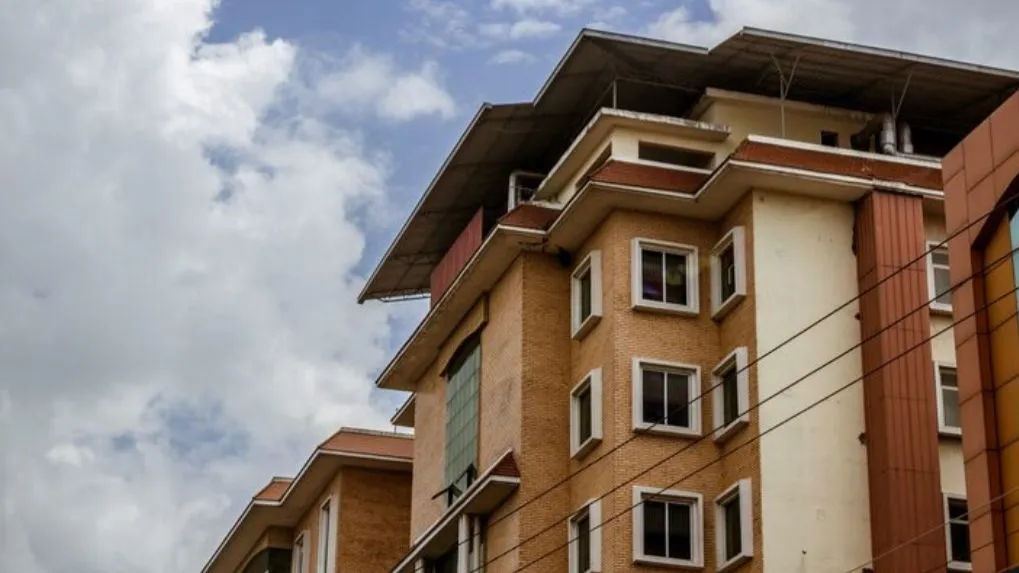
Flat conversions have become a popular way to maximise property value and address housing shortages in London. However, transforming a single-family home into multiple flats involves complex regulations and often an equally complex planning process. When planning permission is refused or attached conditions are unsatisfactory, understanding the intricacies of flat conversion planning appeals London is essential for property owners and developers alike. In this comprehensive guide, we will explore the planning appeal process for flat conversions in London, typical grounds for refusal, strategies for successful appeals, and tips for navigating London’s dynamic planning environment.
Understanding Flat Conversion Planning Permission
Before delving into planning appeals, it’s critical to understand what triggers the need for planning permission. In London, converting a single dwelling into two or more flats typically requires full planning approval from the local authority. This is due to the significant impacts such conversions can have on local communities, infrastructure, and housing stock.
Key considerations for planning applications include:
- Local Plan Policies: Each London borough has its development plan outlining policy requirements for flat conversions—such as minimum flat sizes, external amenity space, and parking provision.
- Design & Conservation: Properties located within Conservation Areas or forming part of listed buildings face additional scrutiny, necessitating designs respectful of architectural history and character.
- Neighbour Impact: Conversions should not lead to unacceptable overlooking, noise, or parking stress for neighbours.
- Residential Amenity: Provision of adequate natural light, ventilation, waste storage, and communal areas for future occupiers are all key requirement.
- Affordable Housing: Some boroughs apply policies to secure a proportion of the new units as affordable homes or seek financial contributions from developers.
Common Reasons for Flat Conversion Planning Refusals in London
Not all applications are successful. In the competitive landscape of London’s housing market, local councils frequently refuse or conditionally approve flat conversion applications. Understanding the most common reasons for refusal can help applicants prepare for potential appeals:
- Loss of Family Housing: London’s local authorities are keen to protect larger family homes; loss of such housing may result in refusal, especially if the original dwelling is of significant size or in an area with a shortage of family homes.
- Inadequate Unit Size: Failing to meet London Plan minimum internal space standards is a frequent reason for the rejection of proposed flats.
- Poor Design: Proposals that negatively affect the character or appearance of the surrounding area, particularly in conservation areas, are susceptible to refusal.
- Amenity Issues: Layouts that result in poor internal or external amenity for future residents, insufficient daylight, or inadequate refuse storage are commonly cited grounds for refusal.
- Parking and Traffic Concerns: Increased congestion or failure to provide adequate parking can trigger refusal, especially in suburban boroughs or areas with existing parking stress.
- Lack of Private Amenity Space: Balconies, gardens, or shared spaces are often required, and their absence may be deemed unacceptable.
- Failure to Meet Accessible Standards: Flats not designed for accessibility or Lifetime Homes standards may not gain approval.
The London Planning Appeals Process
If you face refusal or disagree with conditions attached to a decision notice, you have the right to lodge an appeal with the Planning Inspectorate. Here’s an overview of the planning appeals process for flat conversions in London:
- Decision Notice Received: Upon formal refusal, you have up to 6 months to submit your appeal (12 weeks for householder applications, but conversion schemes typically fall under the 6-month rule).
- Preparation of Appeal Documentation: Compile a robust appeal statement, supporting drawings, and additional evidence addressing the council’s reasons for refusal.
- Submission to the Planning Inspectorate: Appeals must be lodged online or by post. The Inspectorate will notify the local authority and relevant parties.
- Written Representations, Hearing, or Inquiry: Most flat conversion appeals are decided through written representations, but some may go to a hearing or public inquiry if they are particularly complex or controversial.
- Decision Issued: Following assessment, a Planning Inspector will issue a decision: allowing or dismissing the appeal. The Inspector may also vary conditions or suggest revised plans.
How to Strengthen a Flat Conversion Planning Appeal in London
Appealing a flat conversion refusal requires both technical expertise and a strong understanding of London’s planning policy context. To maximise your chances of success, consider the following strategies:
- Engage a Planning Consultant: Specialist consultants bring experience in arguing appeals, preparing supporting documents, and representing your interests at hearings.
- Address All Reasons for Refusal: Directly respond to every concern raised by the council, whether it involves design, amenity, parking, or local character. Provide clear evidence on how your revised proposal overcomes each issue.
- Submit Policy-Compliant Schemes: Ensure your appeal proposals align with the London Plan, borough-specific policies, and national guidance.
- Commission Technical Reports: Daylight and sunlight assessments, noise reports, and parking surveys can go a long way in dealing with technical objections.
- Neighbour & Community Engagement: Where possible, secure support from immediate neighbours or local organisations to strengthen your case.
- Emphasise Housing Need: Well-made arguments about local housing demand, affordability, and sustainable urban growth may help sway the inspector.
Notable Appeal Cases: Lessons from London Flat Conversion Appeals
Looking at recent appeal decisions helps illustrate what inspectors consider, and where developers must be especially diligent:
- Case 1: Loss of Family Homes in Islington
A proposal for a house-to-flats conversion in Islington was refused due to local policies protecting large family homes. At appeal, the inspector upheld the refusal, stressing policy was clear, and the scheme contravened it by removing much-needed family accommodation. - Case 2: Amenity Space in Croydon
In Croydon, an appeal was dismissed where new flats partly met space standards but offered no private or communal amenity space. Inspectors maintained the lack of outdoor space undermined resident well-being. - Case 3: Parking Provision in Barnet
Elsewhere, a refusal based on insufficient parking was overturned after the applicant demonstrated, with a thorough parking survey, that on-street capacity was ample, and the flats would be primarily occupied by non-car-owning young professionals.
Statutory Framework and Policies Governing Flat Conversion Appeals in London
Understanding the legislative and policy framework is crucial for any successful appeal:
- London Plan: Sets overarching policies on housing standards, size, and environmental impact across all boroughs.
- Local Borough Plans: Each council, from Hackney to Hillingdon, has tailored policies that may add further requirements or protections, especially regarding affordable housing or family home retention.
- Supplementary Planning Guidance (SPG): Documents offer specific guidance on space standards, design, and conversions, translating high-level policy into practical criteria.
- National Planning Policy Framework (NPPF): While local plans dominate, the NPPF’s support for sustainable development and increased housing supply can weigh in appeals.
- Building Regulations: While separate from planning, they significantly inform flat layout, fire safety, noise insulation, and accessibility—and any successful appeal must address these requirements.
Flat Conversion Appeal Timelines and Costs in London
The timing and expense of appeals are practical considerations for developers:
- Timescale: Written representation appeals typically take 4-6 months from submission, but complex cases may extend beyond a year if a public inquiry is required.
- Costs: Engaging a planning consultant, preparing technical reports, and potentially legal representation can cost several thousand pounds. However, the long-term uplift in property value can make this a worthwhile investment.
- Risk of Costs Awards: In rare cases, where either side acts unreasonably, the Inspector may order one party to pay the other’s appeal costs.
Turn Flat Conversion Refusals into Successful Appeals with Planning Build
A refused flat conversion application in London doesn’t have to mean the end of your development plans. As this guide demonstrates, flat conversion planning appeals in London offer property owners and developers a valuable opportunity to challenge refusals, overcome restrictive conditions, and unlock the full potential of their property.
Whether your application was rejected due to loss of family housing, unit size concerns, design issues, parking pressure, or amenity standards, a successful appeal depends on understanding the exact policy conflicts and responding with a strategic, evidence-based case. London’s planning landscape is highly complex, with borough-specific policies, London Plan requirements, and national guidance all playing a critical role in appeal outcomes.
By addressing refusal reasons directly, strengthening proposals with technical reports, and aligning your scheme with local and strategic housing priorities, many refused applications can be repositioned for success. In a city where housing demand remains high, the right planning appeal strategy can make the difference between a stalled project and a profitable, approved conversion.
At Planning Build, we specialise in helping property owners, investors, and developers navigate flat conversion planning appeals across London. From analysing refusal notices and refining planning strategy to preparing compelling appeal statements, coordinating technical evidence, and representing your interests throughout the process, our experienced team is dedicated to maximising your chances of approval.
If your flat conversion planning application has been refused in London, don’t let one decision stop your project. Contact Planning Build today and let our experts help you transform planning setbacks into successful, value-driven outcomes with confidence, clarity, and expert appeal support.