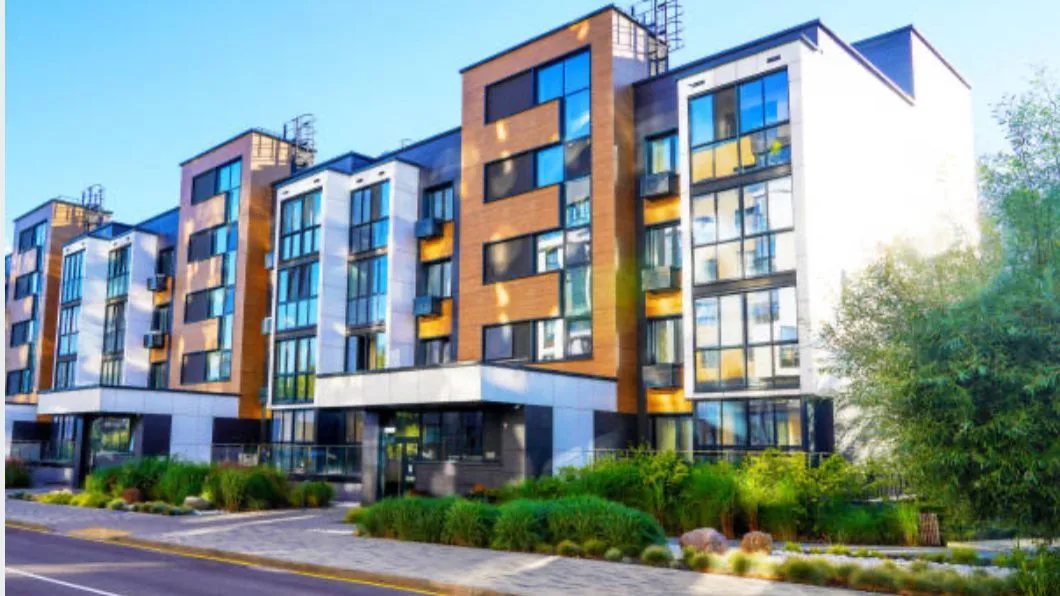
Flat conversions are an increasingly popular way to maximise property value and accommodate the rising demand for housing in urban centres like Manchester. However, transforming properties into multiple flats comes with its own set of planning challenges. One major hurdle is obtaining permission from local planning authorities. If your application for flat conversion is refused, you are not without options. Enter the world of flat conversion planning appeals a critical process that can turn a “no” into a “yes” with the right approach.
Understanding Flat Conversion Planning in Manchester
Manchester, known for its vibrant city life and expanding population, has seen a significant uptick in property conversions, especially residential flats. Flat conversions can involve splitting a single house into several self-contained units, each with individual kitchens and bathrooms. While this can provide crucial housing, it also raises concerns regarding density, design, amenity, and local infrastructure.
In Manchester, as throughout the UK, planning permission is generally required for most flat conversion projects. This is due to considerations regarding the character of neighbourhoods, pressure on parking, impact on local services, and ensuring suitable living conditions. The Manchester City Council assesses every application against the Greater Manchester Spatial Framework, local planning policies, and national guidelines.
Why Is Planning Permission Required for Flat Conversions?
Planning permission ensures that new developments or conversions fit within the area’s overall vision, considering factors such as:
- Design and External Appearance: Does the conversion preserve or enhance local architectural character?
- Impact on Neighbours: Will the flat conversion lead to overcrowding, noise, or loss of privacy?
- Parking and Highways: Are there enough parking spaces and safe access?
- Adequate Amenities: Will future occupants have sufficient space, light, and facilities?
- Community Infrastructure: Will schools, health services, and other infrastructure cope with additional demand?
Due to these considerations, many flat conversion planning applications are either refused or heavily conditioned.
Common Reasons for Refusal of Flat Conversion Applications
Before seeking planning appeals for flat conversions in Manchester, it’s crucial to understand why your application might be refused. The most common reasons include:
- Inadequate Living Space: Proposals that deliver substandard or cramped living conditions are unlikely to succeed.
- Poor Design Standards: Not meeting architectural or sustainability standards may lead to rejection.
- Insufficient Parking: Applications failing to accommodate increased parking needs can be refused.
- Negative Impact on Neighbours: Loss of privacy, light, or increased noise can prompt objections.
- Failure to Meet Local Policies: Deviating from local or national policies, such as those relating to affordable housing quotas or conservation areas, can be a dealbreaker.
Understanding these pitfalls is the first step toward a successful appeal.
What is a Flat Conversion Planning Appeal?
A planning appeal is a formal request to an independent body, normally the Planning Inspectorate, to review a decision made by the local council on your planning application. If the council refuses your flat conversion or imposes unacceptable conditions, you have the right to appeal.
Appeals can be based on various grounds, including disagreement with the reasons for refusal, contention over imposed conditions, or identification of procedural errors. The appeal process ensures that applicants receive an impartial reassessment of their plans.
The Flat Conversion Planning Appeals Process in Manchester
Navigating the appeals process can be daunting. Here’s a step-by-step breakdown:
- Decision Notice and Grounds for Appeal: Upon receiving a refusal from the council, carefully review the decision notice. Identify the reasons for refusal and gather evidence to counter these points.
- Lodging an Appeal: Appeals must be submitted to the Planning Inspectorate, generally within 6 months of the council’s decision. The appeal can be made online and should include supporting documents, statements, and any new information.
- Types of Appeals: There are three main types: Written Representations (the most common), Hearings, and Public Inquiries. The route depends on complexity, policy implications, and public interest.
- Consultation Stage: The council and interested parties (including neighbours) are notified and allowed to submit comments.
- Inspector’s Assessment: The Inspector reviews all submissions, sometimes carrying out a site visit.
- Decision Issued: The Inspectorate issues a written decision, upholding either the council’s refusal or granting approval (potentially subject to conditions).
Key Factors for a Successful Flat Conversion Planning Appeal
To maximise your chances of a successful appeal, consider these essential tips:
- Address Every Reason for Refusal: Your appeal must directly and thoroughly respond to each point raised by the council.
- Update and Supplement Your Evidence: Supporting statements, expert reports (acoustic, parking, heritage), and revised drawings can strengthen your case.
- Engage Professionals Early: Planning consultants and architects familiar with Manchester’s policies can drastically improve outcomes.
- Demonstrate Local Policy Compliance: Reference Manchester’s local development framework, housing needs assessments, and relevant national policies.
- Prepare for Objectors: Address potential third-party objections, especially from neighbours or community groups.
- Consider Alternative Proposals: Show willingness to modify aspects of the design, layout, or access to resolve contentious points.
Timeline and Costs Involved in Planning Appeals
The typical timeline for a flat conversion planning appeal in Manchester is anywhere from 10-36 weeks, depending on the complexity and the route chosen (written, hearing, inquiry). While the appeal itself does not usually incur a fee to the Inspectorate, you may need to budget for:
- Professional consultant and legal fees
- Revised architectural drawings or surveys
- Potential costs awarded against you if your appeal is deemed unreasonable
Early investment in professional advice can often reduce overall costs by streamlining the appeals process.
What to Do if Your Appeal Fails
In the event of an unsuccessful appeal, options remain. You may be able to:
- Submit a revised application addressing fundamental issues
- Challenge the appeal decision through the High Court if you believe there was a legal or procedural error
- Pursue a different development approach, such as a smaller conversion or alternative use
Professional advice is key at this stage, as repeating failed approaches without substantial change is unlikely to yield different results.
Case Study: Successful Flat Conversion Appeal in Manchester
Consider the following example: A property owner in Withington applied to convert a large Victorian terrace into three self-contained flats. The council refused the application due to concerns over parking, loss of heritage features, and inadequate private outdoor space.
On appeal, the owner provided a comprehensive transport assessment demonstrating surplus on-street parking capacity, adjusted the conversion plan to retain key features, and redesigned the layout to include a shared garden. The Inspectorate was satisfied that the character of the building and neighbourhood would not be harmed and granted planning permission.
This case highlights the importance of robust evidence, proactive design adjustments, and constructive engagement with planning policy.
The Role of Planning Consultants in the Appeals Process
Navigating planning regulations in Manchester is no small feat. Specialist planning consultants are invaluable for:
- Interpreting complex local policies
Turn Flat Conversion Refusals into Approved Opportunities in Manchester
A refused flat conversion application in Manchester does not have to be the end of your property development plans. With the right planning strategy, expert guidance, and a carefully structured appeal, many developers, landlords, and homeowners successfully overturn refusals and unlock the full value of their properties. Whether your project was rejected due to parking concerns, design standards, heritage issues, or local policy conflicts, understanding the flat conversion planning appeals process in Manchester is key to moving forward with confidence.
Success in a planning appeal depends on more than simply disagreeing with the council’s decision; it requires a robust, evidence-led case that directly addresses refusal reasons while demonstrating clear compliance with Manchester’s planning policies, housing objectives, and national standards. From revising layouts and strengthening technical reports to presenting compelling policy arguments, every detail can influence the outcome of your appeal.
At Planning Build, we specialise in helping property owners, developers, and investors navigate flat conversion planning appeals in Manchester. Our experienced team provides strategic planning advice, policy analysis, revised design solutions, supporting documentation, and full appeal management to maximise your chances of success.
If your flat conversion application has been refused or you want to strengthen your proposal before submission, contact Planning Build today. We’re here to help you overcome planning barriers, secure approval, and transform your property into a successful, compliant investment.