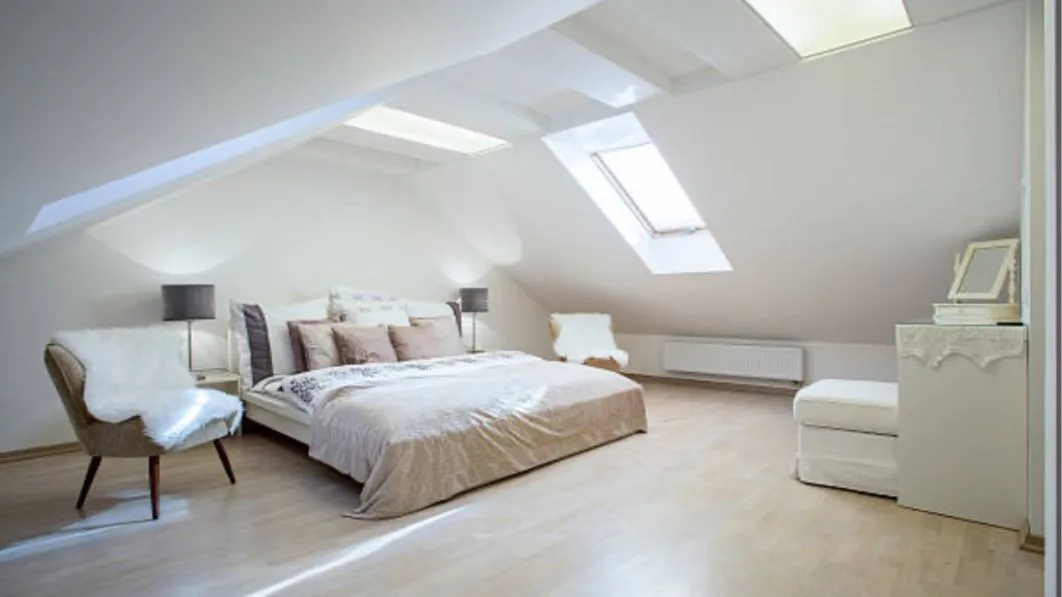
Introduction: Understanding Loft Conversion Planning Appeals Birmingham
Thinking of a loft conversion for your Birmingham home but faced a refusal from the planning authority? You’re not alone. With the city’s architectural diversity, conservation areas, and building regulations, many homeowners in Birmingham find themselves entangled in the complexities of planning applications and subsequent appeals for loft conversions. In this article, we dissect the entire process of loft conversion planning appeals Birmingham, explore why refusals happen, and explain how to lodge a robust planning appeal to improve your chances of converting wasted attic space into valuable living accommodation.
Why Loft Conversions Require Planning Permission in Birmingham
Not every loft conversion needs planning permission; much depends on the type, size, and location of your property. For most houses, certain small-scale loft conversions can fall within permitted development rights. However, in Birmingham, particularly in conservation areas, listed buildings, and areas with special planning restrictions (Article 4 Directions), loft conversions often require formal planning approval. Factors such as roof extensions, dormer additions, or major alterations affecting the street view almost always need to go through Birmingham City Council’s planning process.
Common Reasons for Loft Conversion Planning Refusals in Birmingham
Understanding why many applications are refused is key to making a successful planning appeal. Here are the most frequent grounds for refusal in Birmingham:
- Impact on Visual Amenity: Dormers and roof extensions visible from the street may be judged out of keeping with the local character, especially in heritage or conservation areas.
- Overlooking and Privacy Concerns: New dormer windows can result in overlooking neighbours’ gardens or habitable rooms, raising privacy objections from planners.
- Exceeding Volume Limits: For permitted development, conversions must remain within specified cubic volume increases for the roofspace. Larger extensions will be refused under permitted rules.
- Poor Design Quality: Proposals that fail to meet the Birmingham Design Guide or appear bulky, unsympathetic, or poorly detailed are often rejected.
- Impact on Listed Buildings: Inserting rooflights, raising ridge height, or altering roof profiles on listed or historic buildings typically triggers refusal without strong justification.
- Highway and Parking Issues: If the conversion changes the dwelling’s use or increases occupancy substantially, planners may worry about extra demand for parking or traffic congestion.
- Lack of Pre-application Consultation: Neglecting early engagement with the council or neighbours can leave proposals more vulnerable to planning objections.
The Planning Appeals Process for Loft Conversions in Birmingham
If you have been refused planning permission for your loft conversion by Birmingham City Council, don’t lose hope. The planning system allows applicants the right to appeal refusals to the Planning Inspectorate, a national, impartial body that reassesses decisions. Here is an overview of the appeals process:
- Step 1: Review the Decision Notice
Carefully analyse the refusal letter. This will outline the council’s policy objections and material concerns. Addressing these in your appeal is crucial. - Step 2: Consider Amendments
In some cases, making design changes and reapplying may be more practical. However, if the decision is felt to be unreasonable or misapplied, moving straight to appeal could be justified. - Step 3: Submit Appeal to the Planning Inspectorate
Appeals must normally be submitted within 6 months of the local authority’s decision, or 12 weeks for householder applications. Appeals can be lodged online via the Planning Inspectorate’s portal. - Step 4: Statement of Case
The most critical part is preparing a detailed statement addressing the refusal reasons, demonstrating compliance with local and national planning policies, and, where necessary, providing expert evidence. - Step 5: Inspectorate Assessment
The Planning Inspectorate will review written evidence from both applicant and council. In some cases, a site visit is arranged, and occasionally (for complex cases), a hearing or public inquiry is held. - Step 6: Decision
The Inspector issues a decision notice, either allowing or dismissing the appeal. This decision is final (except for rare judicial review challenges).
Key Points for a Successful Loft Conversion Appeal in Birmingham
While every case is unique, successful appellants usually keep the following best practices in mind:
- Policy Compliance:
Demonstrate clear compliance with the Birmingham Development Plan, National Planning Policy Framework (NPPF), and the Birmingham Design Guide. Address policy references in your refusal notice. - Design Quality:
Include revised drawings or 3D visualisations if appropriate. Respond to design criticism by highlighting how the conversion is sympathetic to local architecture and mitigates negative impacts. - Addressing Neighbour Impact:
Show how your loft conversion manages privacy and outlook concerns through obscured glazing, repositioned windows, or angled dormers. - Expert Evidence:
Planning consultants, architects, or heritage specialists can provide robust supporting statements or impact assessments, especially valuable in complex or controversial cases. - Examples of Precedents:
Reference similar loft conversions in nearby properties that were approved, demonstrating consistency and fairness in the council’s application of policy.
Professional Help With Loft Conversion Planning Appeals Birmingham
While it is entirely possible to handle an appeal yourself, many homeowners instruct experienced planning consultants, architects, or specialist appeal services in Birmingham to increase their chances of a positive outcome. The benefits of professional assistance include:
- Strategic Analysis:
Consultants offer an objective review of refusal reasons, policy context, and likelihood of success. - Compelling Written Statements:
Professionally prepared statements are often clearer and better supported by evidence, case law, or local precedents. - Technical Drawings:
High-quality revised drawings or photo-montages can better illustrate your proposal. - Expert Representation:
In the event of a hearing or inquiry, consultants can represent your interests before the Inspector. - Negotiation with Planning Officers:
Skilled negotiators may be able to resolve objections informally before the appeal is decided, resulting in quicker and less stressful outcomes.
Instructing the right professional isn’t just for major projects – even small householder appeals can benefit. Always seek local expertise familiar with Birmingham’s unique planning context.
Timescales and Costs Involved in Loft Conversion Planning Appeals
The appeals process can be considerably longer than a straightforward planning application. Typical timescales for written representations are:
- Householder appeals: around 10-12 weeks from validation.
- Other appeals: may take 4-6 months, longer if a hearing or inquiry is needed.
There is no fee from the Planning Inspectorate for householder or domestic appeals, but if you instruct professional help, you should budget for consultant, architectural, or legal fees, which can vary from £500 for simple written appeal statements to several thousand for complex cases.
Turn Your Loft Conversion Refusal into Approval with Planning Build
A refusal for loft conversion planning permission in Birmingham is not the end of your project; it’s often just the beginning of a stronger, better-prepared application. As this guide has shown, most refusals come down to design concerns, privacy impacts, policy conflicts, or technical misunderstandings that can be effectively addressed through a well-structured planning appeal.
The key to success lies in how you respond. A strong appeal clearly engages with the council’s reasons for refusal, demonstrates compliance with the Birmingham Development Plan and national policy, and presents a design that respects both your property and its surroundings. Supporting evidence, revised drawings, and professional planning arguments can significantly improve your chances of overturning a refusal.
However, navigating loft conversion planning appeals in Birmingham can be complex, time-sensitive, and highly technical. This is where expert guidance makes a real difference.
At Planning Build, we specialise in helping homeowners turn rejected loft conversion applications into approved developments. From reviewing refusal reasons and preparing persuasive appeal statements to refining designs and representing your case, our team ensures your proposal is positioned for the strongest possible outcome.
If your loft conversion has been refused or you want to avoid refusal in the first place, Planning Build can help you move forward with confidence. Get in touch today to discuss your project and take the next step toward unlocking the full potential of your Birmingham home.