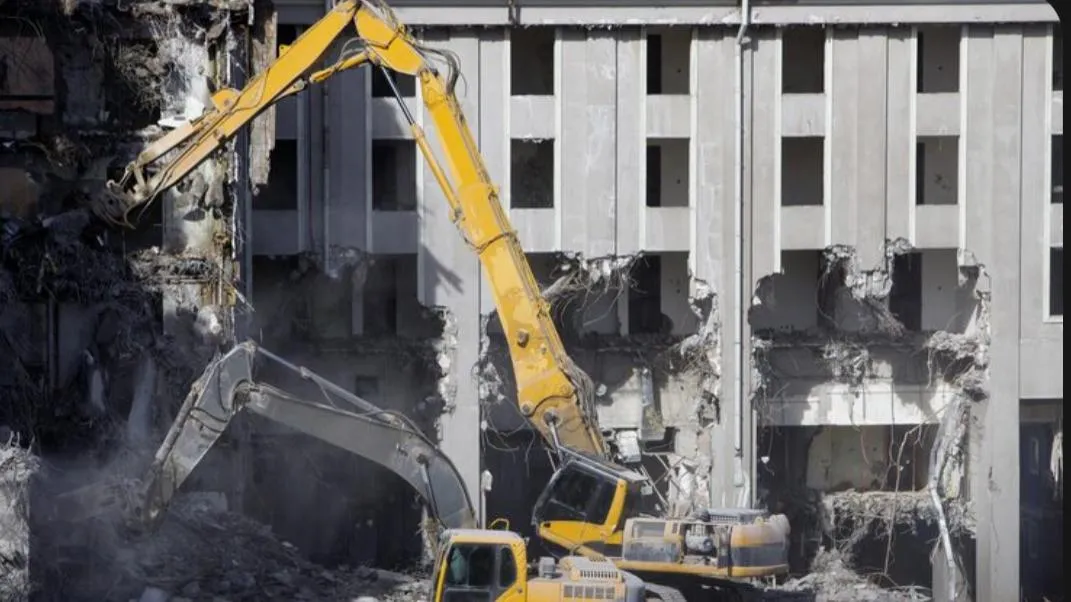
Introduction to Demolition Planning Permission in the UK
Demolition is often the first step towards new construction, regeneration, or transformation of land in the United Kingdom. However, before picking up the sledgehammer or scheduling a wrecking ball, it is essential to understand the legal requirements surrounding demolition planning permission in the UK. The laws and policies that govern demolition are not as straightforward as one might expect, and failure to comply can result in heavy penalties, enforcement notices, or even prosecution. This comprehensive article explores everything you need to know about demolition planning permission in the UK, including when it is required, the application process, exemptions, relevant legislation, and best practices to ensure your project gets off to a legally sound start.
Understanding Demolition and Its Scope
To begin, it is vital to clarify what is meant by “demolition” within the context of UK planning law. Demolition generally refers to the complete or partial removal of a structure—be it a house, commercial building, outbuilding, or larger structure—from its premises. This may be carried out for a variety of reasons, such as clearing the land for new construction, addressing safety concerns due to structural instability, environmental considerations, or due to the presence of hazardous materials like asbestos.
The extent and implications of demolition planning permission in the UK can depend on several factors such as the size and location of the building, whether the demolition is partial or total, if the structure lies within special designations (like conservation areas), and what you intend to do with the land afterwards. Understanding the legal framework is crucial for property owners, developers, or anyone involved in construction or redevelopment projects.
Key Legislation Governing Demolition in the UK
A primary piece of legislation to consider is the Town and Country Planning Act 1990, which lays out the framework for planning permission and development regulations, including demolition. Another essential regulation is the Town and Country Planning (Demolition – Description of Buildings) Direction 2021, brought about in response to a European Court ruling and subsequent UK Government changes.
Furthermore, the Planning (Listed Buildings and Conservation Areas) Act 1990 provides further protection for historic and architecturally significant structures, particularly those that are listed or located within Conservation Areas. Demolition in these cases carries even stricter requirements and higher scrutiny. Environmental laws, such as those relating to hazardous substances or wildlife, may also overlay with planning requirements.
Do You Need Planning Permission to Demolish a Building?
The need for demolition planning permission in the UK is influenced by several factors. Historically, demolition was generally treated as “permitted development”, meaning it did not require an application for planning permission except in certain cases. However, recent changes and a greater focus on environmental impact and heritage conservation have tightened the rules. The question, “do I need permission to demolish my building?”, cannot be answered with a simple yes or no—it depends.
- Permitted Development Rights: Under current General Permitted Development Orders (GPDO), certain demolition works are automatically granted planning permission, provided you follow the required notification and procedure.
- Prior Approval: Even if demolition is permitted under GPDO, specific types of demolition require a process called “prior approval”, where you notify the local planning authority and they assess certain specified impacts.
- Listed Buildings or Conservation Areas: Demolition of listed buildings or structures within conservation areas almost always requires full planning permission and/or listed building consent.
- Other Considerations: Environmental factors, size of the building, and local planning policies may all affect the need for planning permission.
Permitted Development and Demolition: The Basics
The General Permitted Development Order (GPDO) forms the bedrock of planning rights in the UK. For demolition, Part 11 of Schedule 2 to the GPDO is most relevant. This legislation allows demolition without express planning permission in many cases, but with crucial conditions:
- Prior Notification: You must give the local planning authority (LPA) at least six weeks’ notice before any demolition work begins (often called a “Section 80 Notice” under the Building Act 1984). This allows the council to consider if “prior approval” is required for the method of demolition and site restoration.
- Caveats: Permitted development rights do not apply if the building is listed, within a conservation area, subject to an Article 4 Direction (removing permitted development rights), or covered by a planning condition preventing demolition.
- Additional Regulations: Other regulations, such as hazardous material controls, building regulations, and health and safety requirements (e.g., Construction (Design and Management) Regulations 2015), still apply.
It is vital to check with your local planning authority for their specific interpretation and enforcement of GPDO rights.
What is Prior Approval?
Prior approval is a process that allows local authorities to review the method of demolition and site restoration before work begins, even in circumstances where full planning permission is not otherwise needed. Here’s how it works:
- You must submit a prior notification application indicating your intention to demolish and providing specified information (building address, demolition method, timescales, site restoration details, etc.).
- The local authority has 28 days to confirm if their prior approval is required for the method of demolition or site restoration, or to decide they need more information.
- If the authority requires prior approval, you must obtain this before commencing. They may impose conditions or, in exceptional cases, refuse approval (for example, if the demolition would harm the amenity of neighbouring properties or the environment).
- If the authority does not respond within the set timeframe, you can generally proceed as if approval has been granted.
Demolition in Conservation Areas and for Listed Buildings
Where the building is located within a conservation area or is a listed building, the requirements for demolition planning permission in the UK become much more demanding:
- Conservation Area Consent: In conservation areas, demolition of most buildings requires consent (even partial demolition such as removing walls or roofs). You must submit a full planning application to your local authority and may need to publish a notice in the local paper and notify Historic England.
- Listed Building Consent: For listed buildings, any work of demolition, alteration, or extension affecting the character of the building requires listed building consent, in addition to any planning permissions needed.
- Greater Scrutiny: Authorities will pay close attention to heritage value, the significance of the building or feature, and whether the demolition is justified (for example, due to uneconomic repair).
- Criminal Offence: Carrying out demolition without the necessary consent in these circumstances is a criminal offence and may be punishable by unlimited fines and even imprisonment.
Article 4 Directions and Loss of Permitted Development Rights
Sometimes, local councils use Article 4 Directions to remove or restrict permitted development rights in particular areas. This is often seen in areas with special architectural or historical interest, or where there are concerns about the cumulative impact of small-scale developments, including demolitions.
If an Article 4 Direction applies to your property, you may require full planning permission for demolition—even where you would otherwise benefit from permitted development rights. Always check with your local planning authority before proceeding.
The Demolition Process: Step-by-step Guide to Permissions
Getting demolition planning permission in the UK follows a series of clear steps. Here is a practical guide:
- Initial Assessment: Check if your building is listed, in a conservation area, subject to an Article 4 Direction, or if the previous planning permission has conditions restricting demolition.
- Consult the Local Authority: Reach out to your local planning office for guidance. They can confirm which permissions, notifications, or approvals you need. Many councils provide pre-application advice (often for a fee).
Securing Demolition Planning Permission UK the Right Way
Understanding demolition planning permission UK is essential before beginning any clearance or redevelopment project. While some demolition works may fall under permitted development rights, the process is rarely as simple as “knocking down and rebuilding.” Most projects still require formal notification, prior approval, and in many cases, full planning permission, especially where heritage, environmental, or safety considerations are involved.
From Section 80 notifications and GPDO requirements to stricter controls in conservation areas and listed buildings, every demolition project must be carefully assessed before work begins. Local planning authorities also place strong emphasis on site restoration, neighbour impact, and environmental responsibility, meaning even permitted demolitions are subject to detailed scrutiny.
Failing to follow the correct legal process can lead to serious consequences, including enforcement action, fines, or prosecution. That’s why early planning, proper documentation, and expert guidance are critical to ensuring your project runs smoothly and lawfully from the outset.
Planning a demolition or redevelopment project? Contact Planning Build today for expert planning support and tailored guidance to get your project started on the right legal footing.