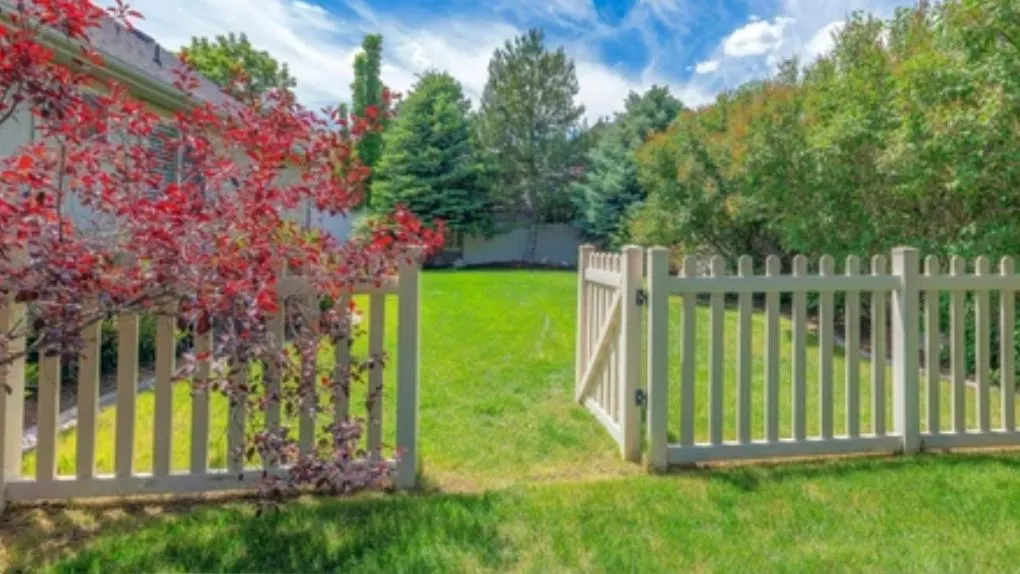
When it comes to improving your property’s security, enhancing privacy, or simply marking boundaries, installing a fence or gate around your home is a popular choice among UK homeowners. However, before you begin building, it’s essential to understand the legal requirements surrounding fence planning permission in the UK. Knowing when you need to seek permission and what regulations to follow can help you avoid costly mistakes, enforcement action, and the potential need to undo completed work. This comprehensive guide will walk you through everything you should know about fence planning permission in the UK, helping you make an informed decision for your home improvement project.
Understanding Fence Planning Permission in the UK
In the United Kingdom, most property improvements, including fences and gates, are governed by planning laws designed to ensure local regulations, safety, and community aesthetics are maintained. In many cases, putting up a new fence, wall, or gate does not require formal planning permission thanks to “permitted development rights” granted to most homeowners. However, this doesn’t mean all installations are exempt from controls; there are specific circumstances and rules where planning permission is necessary.
Permitted development rights allow homeowners to undertake certain types of development without the need to apply for permission, but these rights are subject to particular limits and conditions. The local planning authority (usually your local council) is responsible for enforcing these rules, and you must always check with them if you are in doubt.
When Do You Need Fence Planning Permission in the UK?
There are several situations where planning permission for fences and gates is required. As a general rule, you must gain planning permission if you want to:
- Erect or alter a fence, wall, or gate that is over 1 metre high and next to a highway used by vehicles (or the footpath of such a highway)
- Install or alter a fence, wall, or gate that is over 2 metres high elsewhere on your property
- Your property is a listed building, or the fence forms a boundary with a listed building
- The rights for permitted development have been removed by the council, often in conservation areas or with new build developments
- You want to install fencing that will form a boundary with a neighbouring property, especially if it obstructs natural light or causes disputes
Ignoring planning permission requirements can result in your local planning authority serving an enforcement notice, requiring you to remove or modify the fence at your own expense.
Fence Heights and Highway Rules: What’s Allowed Without Permission?
The rules on fence height are perhaps the most important aspect of fence planning permission in the UK. The government specifies that:
- Fences, walls, or gates adjacent to a road, highway, or footpath: Maximum height without planning permission is 1 metre (approx. 3.3 feet).
- Elsewhere on your property (not next to a highway): Maximum height is 2 metres (approx. 6.6 feet).
The measurement should be taken from the highest natural ground level on either side of the fence.
If you want to replace an existing fence, you can do so without permission as long as you do not exceed these height restrictions and the work is similar in nature to what was previously in place. If you plan to increase the height, then an application may be required.
Special Cases: Listed Buildings and Conservation Areas
Certain types of properties and locations have stricter regulations. If your home is a listed building, or the fence will form a boundary with one, you must apply for Listed Building Consent from your local authority, even if your proposed fence or gate is within standard height limits. This requirement ensures that heritage sites and buildings of special interest are preserved.
Conservation areas – areas of special architectural or historical interest – may also have enhanced controls. Councils can issue an Article 4 Direction to remove permitted development rights, meaning any boundary treatment might need permission. Always check with your planning authority if you live in or near a conservation area before constructing or altering a fence or gate.
Permitted Development Rights Explained
Permitted development rights cover a wide range of minor improvements that home and landowners can make without needing planning permission. For fences and gates:
- You can usually build, improve, maintain, or alter them if within permitted height limits and not affected by local exceptions.
- No part of the fence, wall, or gate can be used for business or display/advertising unless permission is granted.
- All works must respect legal boundaries and not encroach on neighbouring land or public highways.
These rights can be restricted or removed altogether through planning conditions, especially for flats, maisonettes, or properties in specific developments, so it is crucial to consult your local planning department before proceeding.
Boundary Disputes and Your Legal Responsibilities
When installing a new fence or gate, identifying property boundaries is essential. Disputes with neighbours are common – especially if it’s unclear who owns or is responsible for a shared boundary fence. The title deeds for your property, or those held by the Land Registry, can offer some guidance but may not be completely definitive.
It is advisable to discuss your plans openly with your neighbours before beginning work. If you are proposing to remove or replace a shared (party) fence or wall, mutual agreement is required. Installing a fence wholly on your own land that complies with planning restrictions rarely causes legal issues but again, good neighbourly communication is always best practice.
Building Regulations and Safety Considerations
In most cases, building regulations don’t apply to garden fences, walls, or gates, as they are not structural works affecting safety in the same way as buildings do. However, higher fences or gates, retaining walls, or supports near public highways might need to meet specific standards for safety, sight lines, and materials. If you are unsure, contacting the Building Control department at your local council can help you clarify any specific requirements.
Additionally, you should ensure that any fence, particularly those approaching the maximum height limits, is safely constructed and stable to prevent injury or damage.
Common Misconceptions About Fence Planning Permission UK
Many UK homeowners assume that because a fence is a small and seemingly private structure, they can build whatever they like, wherever they like. This is not the case. Here are some misconceptions:
- “If my neighbour has a tall fence, I can build one too.” – Not necessarily, as previous fences may have been built with permission, under different rules, or before planning laws were strengthened.
- “Painting or decorating a fence never needs permission.” – While decorating usually doesn’t require planning permission, other consents may be needed for listed buildings or conservation areas.
- “I can build right up to the boundary line.” – You can, as long as you remain wholly within your land, but disputes over boundaries can arise. When in doubt, seek a professional survey.
- “I don’t need to tell my neighbour.” – Communication is always advised, and if the fence is shared, agreement may be legally required.
Fence Types and Their Impact on Planning Permission
The material and design of your fence can influence whether you need planning permission. Some types of boundary treatment that are often subject to rules include:
- Solid wooden panels – Most popular, and provided height and location rules are observed, typically do not require permission.
- Metal railings or palisade fences – Height restrictions apply as with other materials, but spiked or dangerous tops can cause safety concerns that might require intervention.
- Brick or block walls – Subject to the same height guidelines, but may come under building regulations if they function as retaining walls.
- Trellises or screens – If fixed to an existing fence, the combined height counts toward the legal limit.
- Hedges – While not covered by the same planning laws, high hedges or evergreens such as Leylandii can be subject to council action under the Anti-Social Behaviour Act 2003 if they cause disputes.
Fence Planning Permission Process: How to Apply
If your proposed fence or gate installation requires planning permission, you must submit an application to your local council. This usually involves:
- Completing a standard planning application
Build Your Fence the Right Way with Expert Planning Support
Understanding fence planning permission UK is key to avoiding disputes, enforcement action, or costly alterations. While many fences fall under permitted development, factors like height, location, and property type can quickly change your requirements.
By getting the right advice early, you can ensure your project is compliant, neighbour-friendly, and approved without delays.
At Planning Build, we help homeowners navigate planning rules, prepare accurate applications, and resolve boundary or compliance issues with ease.
Planning to install a fence or gate? Contact Planning Build today for expert guidance and a smooth, hassle-free approval process.