Introduction to Mobile Home Planning Permission UK
Mobile homes have become an increasingly popular housing solution in the UK, offering flexibility, affordability, and the chance to live closer to nature or in alternative community settings. However, the legal aspects of siting a mobile home can be confusing, particularly regarding mobile home planning permission UK. If you are considering living in a mobile home, placing one on your land, or investing in one as a holiday property, understanding planning permission is essential to avoid costly mistakes or enforcement action from local authorities.
What is a Mobile Home?
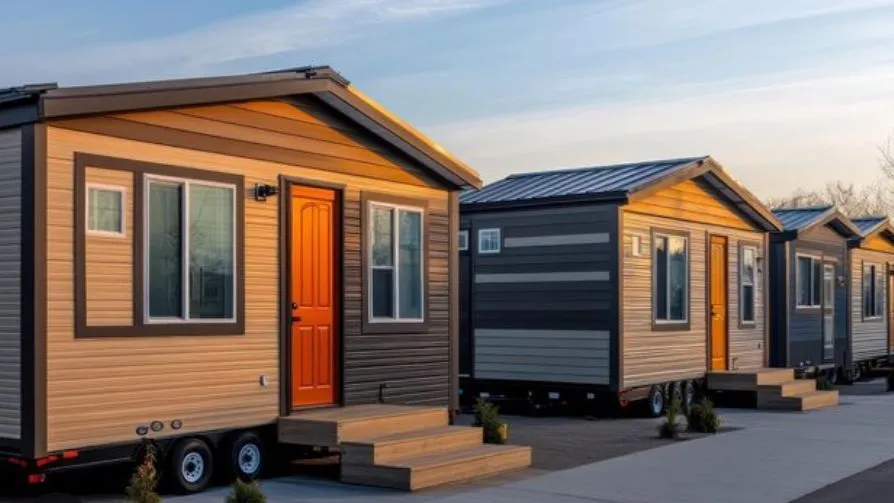
Before delving into the rules around mobile home planning permission UK, it is important to understand what a mobile home is. According to the Caravan Sites Act 1968, a mobile home is classified as a “caravan”, and must be:
- Transportable by road (in one or two sections)
- Not constructed of brick or other permanent materials
- Internally no more than 20m long, 6.8m wide, and 3.05m high (internally)
Static caravans and log cabins often fall within this definition, along with traditional mobile homes.
Do You Need Planning Permission for a Mobile Home in the UK?
The fundamental question for many landowners is: Do I need planning permission for a mobile home in the UK? The answer depends on several factors, such as where you want to site the mobile home, its intended use, and the specific land designation.
In many circumstances, placing a mobile home on land requires permission from the local planning authority, particularly if it will be used as an independent residence. However, situations exist where mobile home planning permission UK may not be needed. Let’s explore them in detail.
When is Planning Permission Not Required?
There are exemptions to the need for mobile home planning permission UK, typically based on the following factors:
- Incidental Use within a Property’s Curtilage: If a mobile home is sited within the garden (curtilage) of a dwelling and is used in a manner incidental to the house (e.g., as an office, gym, or guest accommodation with no separate utility accounts or entrance), planning permission may not be required.
- Temporary Use: Siting a mobile home for a temporary period, such as during the construction of a main dwelling under an existing permission, may be allowed without additional permission as long as it is later removed.
- Within Established Mobile Home/Caravan Sites: Existing caravan parks have permissions that cover the siting and replacement of units under their site license, so additional permission may not be needed for individual mobile homes within those parks.
Even in these cases, it’s highly advisable to check with the relevant local authority, as interpretations of the regulations and definitions of terms like “curtilage” and “incidental” can vary.
When is Planning Permission Required?
For most situations outside the exemptions above, mobile home planning permission UK is required. Planning permission is needed if:
- The mobile home will be used as someone’s main residence (even if it is within a property’s boundary)
- The unit will be used independently from the main dwelling (e.g., with separate post, council tax, utility meters, entrance, etc.)
- You wish to create or expand a mobile home site (e.g., for renting to others or commercial use)
- The mobile home is to be sited on land not previously occupied by a residential dwelling (e.g., agricultural land, woodland, or green belt land)
- There will be significant engineering works, such as hardstanding, access tracks, or drainage installations
Failure to obtain permission can result in enforcement notices and legal proceedings, so it’s critical to clarify the status with planning officers before proceeding.
Understanding the Planning Application Process
Applying for mobile home planning permission UK follows a similar process to standard planning applications. The key steps typically include:
- Pre-application Advice: It is often advisable to seek pre-application guidance from your local authority, who can clarify likely chances of success and identify key issues.
- Submission: You will need to complete a planning application form, provide scaled site plans, elevations, and detail the intended use of the mobile home.
- Consultation: The proposal is usually subject to statutory consultations, allowing neighbours and other interested parties to comment.
- Decision: The local authority will assess the application based on planning policy, site suitability, impact on setting/neighbours, access, and utility provisions.
Most residential mobile home planning applications are determined within 8 to 12 weeks, unless complexities arise.
Key Considerations in Mobile Home Planning Decisions
When reviewing mobile home planning permission UK applications, planning officers will assess several considerations:
- Local Planning Policy: Is the development in line with local policies on housing, countryside protection, and development?
- Green Belt and Countryside: Permissions are rarely granted on undeveloped land, particularly if it is designated as greenbelt, AONB, or open countryside, unless for agricultural workers or exceptional circumstances.
- Access and Infrastructure: Safe vehicular access, sufficient parking, and connection to mains or private utilities are required.
- Neighbour Amenity: Potential impacts on neighbours, including visual impact, privacy, and noise, are considered in decision-making.
- Ecology and Flood Risk: Siting a mobile home should not harm protected species or increase flood risk.
- Occupancy Restrictions: Many permissions are granted with conditions (e.g., limiting occupancy to agricultural workers, or restricting the unit to non-full-time residency).
Mobile Homes on Agricultural Land
Many landowners and smallholders hope to live on their agricultural land in a mobile home, whether for livestock management or horticulture. However, mobile home planning permission UK for agricultural land is complex and rarely straightforward.
Permission is sometimes granted for an agricultural worker’s dwelling—often initially as a mobile home on a temporary basis (usually three years)—to establish the need and viability of the enterprise. You must provide a business case and evidence of functional necessity and the long-term economic sustainability of the enterprise. After this period, if your business is proven, you may apply for a more permanent residence.
Occupancy of mobile homes on agricultural land without permission (on the basis that they’re not “permanent” structures) is a common misconception, and often leads to enforcement.
Using a Mobile Home as an Annex or “Granny Flat”
Siting a mobile home in your garden for use by a relative (such as an elderly parent) is a common scenario. While some guidance exists that applies “incidental use” to annexe accommodation, in reality, if a mobile home is used for wholly self-contained living (with a separate kitchen, bathroom, etc.), most councils will deem it a separate dwelling, and thus subject to mobile home planning permission UK.
In such cases, it is best to apply for a formal certificate of lawfulness or planning permission, and request an “ancillary use only” condition be attached to the permission, tying its use to the main dwelling. Without this, you risk future enforcement if neighbours complain or you wish to sell the property.
Mobile Homes for Holiday Use
For those interested in siting a mobile home on private land for holiday letting, strict controls are in place. Planning permission is almost always required, with councils keen to ensure holiday accommodation is used on a non-permanent basis.
Where permission is granted, conditions limiting the allowable months of occupation, advertising, sub-letting, or minimum periods of letting are often attached. It is worth noting that even the use as a holiday home, if not on existing permitted sites, is subject to mobile home planning permission UK.
Enforcement and Breach of Planning Control
Siting a mobile home without the necessary permission can lead to planning enforcement action. A local authority can issue an enforcement notice, requiring the removal of the mobile home and restoration of the land. Failure to comply can lead to prosecution and hefty fines.
The common “Four Year Rule”, where an unauthorised development not challenged for four years becomes immune from enforcement, does not generally apply to mobile homes, as they are often regarded as a change of use of land (not operational development), which falls under a ten-year immunity period. It is always best to gain permission rather than attempt to rely on “stealth”.
Navigating Mobile Home Planning Permission in the UK
Mobile homes offer a flexible and affordable way of living, whether for full-time residence, holiday use, or supplementary accommodation. However, as this guide highlights, understanding mobile home planning permission UK is absolutely essential before placing a unit on any land.
While there are limited scenarios where planning permission may not be required such as incidental use within a domestic garden or placement on an existing licensed caravan site, most standalone or residential uses will require formal approval. This is especially true where the mobile home is intended as a primary residence, located on agricultural or undeveloped land, or used independently from an existing dwelling.
Local planning authorities carefully assess each application based on factors such as land designation, infrastructure, environmental impact, and long-term use. Conditions may also be attached to permissions, particularly in sensitive areas like the green belt, countryside, or conservation zones.
Attempting to bypass the system can lead to enforcement action, removal notices, and significant legal and financial consequences, making early planning and compliance critical.
Get in touch with Planning Build today and move forward with your mobile home project with clarity, confidence, and full compliance.