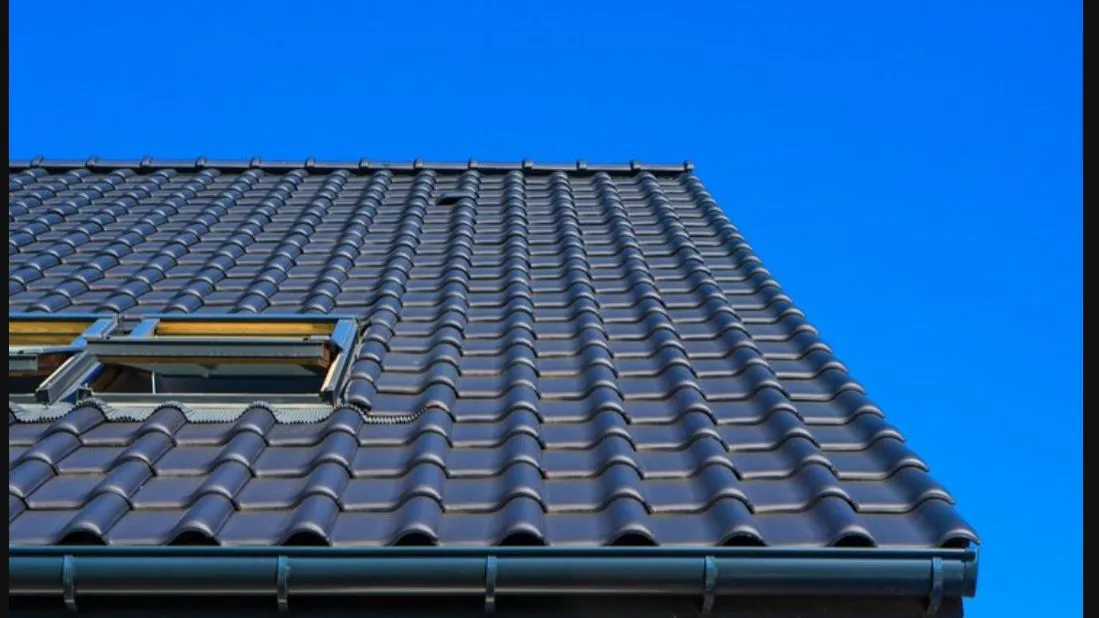
Introduction to Roof Extension Planning Permission in the UK
When considering a roof extension in the United Kingdom, one of the first questions is whether planning permission is necessary. Due to the complex nature of UK planning laws, understanding the precise requirements for roof extension planning permission UK is crucial before starting your project. In this comprehensive guide, we will break down the factors determining if you need permission, the rules surrounding Permitted Development, how to apply for planning permission if needed, and essential legal and practical considerations to ensure your roof extension project is both legal and successful.
Understanding Roof Extension Projects
A roof extension refers to any construction work that adds space to your property via the roof. This can include dormer extensions, mansard roof extensions, hip-to-gable conversions, or the addition of a new floor entirely. These types of extensions have become increasingly popular among homeowners looking to maximise their living space without moving. However, their impact on the streetscape, neighbours, and local environment is why roof extension planning permission UK is a central issue.
What is Planning Permission?
Planning permission is formal consent from your local planning authority (LPA) allowing you to build or alter structures. Its purpose is to regulate the development and use of land in the public interest, assessing proposals for their impact on the local area, environment, and amenities. When it comes to a roof extension, planning permission will consider the height, design, materials, privacy concerns, and local character.
Permitted Development Rights for Roof Extensions
In many cases, you might not need explicit roof extension planning permission UK thanks to Permitted Development Rights (PDR). These are nationwide rules enabling certain types of property alterations without planning permission, provided you stay within defined limits.
The General Permitted Development Order (GPDO), most recently updated in 2015 and subsequently amended, sets out these rights. Roof extensions under permitted development must meet certain criteria; failing which, full planning permission is required.
Key Permitted Development Criteria for Roof Extensions
- The extension is on a dwellinghouse, not a flat or maisonette.
- No part of the extension exceeds the height of the existing highest part of the roof.
- The extension does not project beyond the plane of the existing roof slope fronting the highway.
- The cubic content added by the extension does not exceed 40m³ for terraced houses, or 50m³ for semi-detached or detached houses.
- Materials must be similar in appearance to the existing house.
- No verandas, balconies, or raised platforms are permitted.
- Any side-facing windows must be obscure-glazed.
- The extension must not negatively affect the amenity of neighbouring properties.
- Your property should not be in a designated area such as conservation areas or national parks, where permitted development rights are more restricted.
Designated Areas and Article 4 Directions
If your property is in a conservation area, Area of Outstanding Natural Beauty (AONB), National Park, World Heritage Site, or subject to an Article 4 Direction, your permitted development rights could be restricted or removed. In such cases, you will need to apply for planning permission regardless of the extension’s size or design. Article 4 Directions are issued by local authorities aiming to preserve the character of particular areas.
The Prior Approval Process for Larger Extensions
In some circumstances, particularly for larger projects, you may be required to go through a ‘prior approval’ process. This is a streamlined planning procedure where your local authority considers certain impacts, such as neighbour privacy and appearance, but the process is less involved than a full planning application. However, for most roof extensions—as of the GPDO 2024 update—prior approval is rarely applicable and a full application is typically necessary if outside of PDR limits.
Applying for Roof Extension Planning Permission UK
If your roof extension falls outside permitted development, is on a flat, or your property is in a designated area, you will need to apply for planning permission. The steps include:
- Engage a qualified architect or designer: They can help design your extension in line with local and national policies.
- Consult your local planning authority (LPA): Pre-application advice is often available.
- Prepare and submit your application: Plans, elevations, and a design and access statement are usually required.
- Public consultation: Your neighbours are usually consulted and may offer comments.
- LPA decision: Within 8-12 weeks, the council will either grant or refuse planning permission.
You can submit your application online via the Planning Portal, which provides a step-by-step guide, documentation requirements, and fee calculator.
What Do Planners Consider?
When reviewing your application, the planning authority will examine:
- Impact on neighbours: Does the extension overlook, overshadow, or otherwise harm neighbour privacy?
- Visual appearance: Are the design, scale, and materials appropriate for the area?
- Effect on street scene: Would the roof extension be prominent, intrusive, or out-of-character?
- Compliance with local policy: Every council publishes local development policies.
- Access and highways issues: Rare, but may apply if the extension changes access.
The Building Regulations Factor
Planning permission and building regulations are not the same. Even if your roof extension is permitted development or receives planning consent, you must also comply with building regulations. These ensure structural safety, fire regulations, sound insulation, insulation values, and access standards. Always submit your plans to Building Control and, if required, appoint a structural engineer.
Roof Extension Planning Permission for Flats and Converted Houses
Permitted development rights for roof extensions only apply to single-family houses, not to flats or maisonettes. If you live in a flat or a building converted to flats, any roof extension, such as a mansard or dormer, will always require full planning permission. The assessment process can be more complex in these cases, taking into account the whole building and potential impacts on other residents.
How Neighbours Influence the Planning Process
Neighbour objections are a common feature of the planning system in the UK. When you apply for roof extension planning permission UK, your local council will notify the immediate neighbours and invite their comments. Objections focused on loss of privacy, light, or negative visual impact may influence the council’s decision. That’s why engaging in dialogue with neighbours before submitting your application can greatly improve the chances of approval.
Typical Conditions Applied to Roof Extension Permissions
If your application is approved, it may come with conditions. Common conditions for roof extensions include:
- Work to begin within three years of consent.
- Development must be built as per the approved plans and drawings.
- Specific materials to match the existing roof and building.
- Any side-facing or dormer windows to be obscure-glazed and non-opening below 1.7m.
- Additional landscaping or boundary treatments as needed.
Always review and follow these conditions closely. Breaching planning conditions can be a criminal offence and may result in enforcement action.
What Happens If You Build Without Planning Permission?
Constructing a roof extension without the necessary planning permission can lead to significant problems, including:
- Enforcement action by the council, including orders to alter or demolish the extension.
- Difficulty selling your property – your buyer’s solicitor will check.
- Legal disputes with neighbours or the council.
- Potential fines or criminal liability if you breach enforcement notices.
If you realise after building that permission was required, you may apply retrospectively for planning approval, but there is no guarantee of success.
Planning Permission and Listed Buildings
If your house is a listed building, roof extensions are rarely granted, and you will require both planning permission and listed building consent. Alterations affecting the character, appearance, or historic fabric of the building are closely controlled, and unauthorised works can result in prosecution.
Key Differences between England, Scotland, Wales, and Northern Ireland
While planning policies are broadly similar across the UK, there are important procedural differences between regions:
- England: Governed primarily by the Town and Country Planning Act 1990 and the GPDO. Applications are typically made via the Planning Portal, and permitted development rights are relatively extensive.
- Scotland: Uses a slightly different system under the Town and Country Planning (Scotland) Act 1997. Permitted development rules vary, and applications are submitted through the ePlanning Scotland portal.
- Wales: Follows its own planning policy framework under the Planning (Wales) Act 2015, with some differences in permitted development thresholds and guidance.
- Northern Ireland: Operates under the Planning Act (Northern Ireland) 2011, with applications handled by local councils but under region-specific legislation and policy.
Because of these variations, it is always essential to check the specific rules that apply in your region before proceeding with a roof extension.
Securing Roof Extension Planning Permission UK with Confidence
A roof extension is one of the most effective ways to unlock additional living space and add long-term value to your property, but it is also one of the most tightly regulated types of home improvement in the UK. As this guide has shown, whether your project falls under Permitted Development or requires full roof extension planning permission UK depends on several factors, including property type, location, design limits, and whether your area is subject to restrictions such as Article 4 Directions or conservation controls.
Attempting a roof extension without clear planning guidance can lead to enforcement action, financial setbacks, or complications when selling your property. This is why early professional input is not just helpful it is often decisive in determining whether your application is approved or delayed.
For homeowners and developers seeking a smoother, more predictable route through the planning system, expert support makes a measurable difference. At Planning Build, we specialise in preparing accurate planning drawings, managing applications, and guiding clients through every stage of the approval process. From initial feasibility checks to full submission and liaison with local authorities, we help ensure your roof extension meets all planning requirements the first time.
Contact Planning Build today to get expert guidance and move your roof extension project forward with confidence.