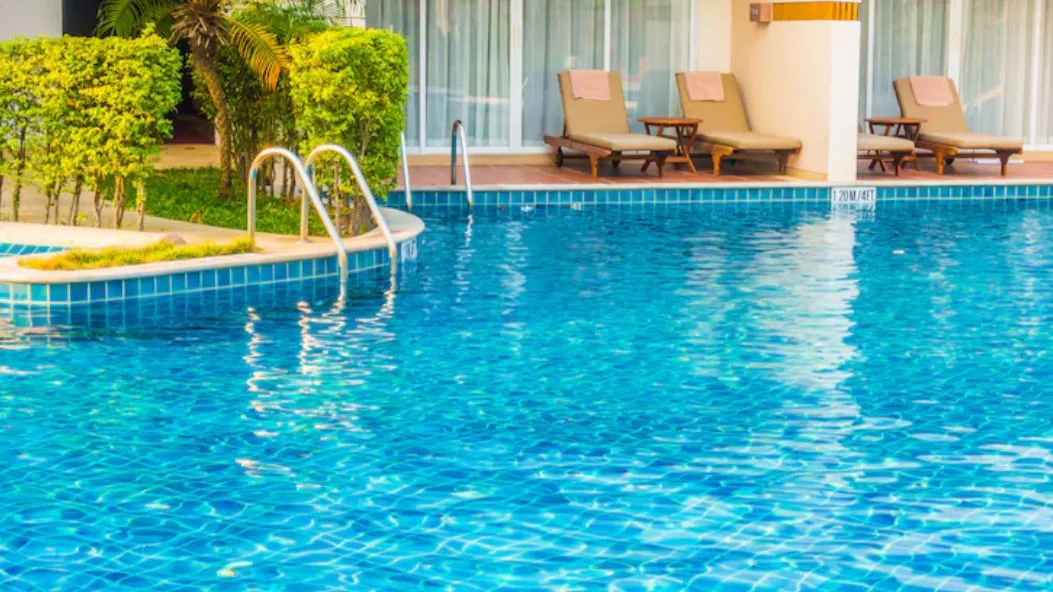
Swimming pools are a desired addition to many UK homes, offering recreation, relaxation, and an increase in property value. However, before you embark on the exciting journey of building your pool, it is crucial to understand the regulations and requirements surrounding swimming pool planning permission UK. This comprehensive guide will walk you through every aspect of planning permission for swimming pools in the UK, from the basics to the specifics, so your dream pool project can become a reality without legal hurdles or surprise expenses.
What is Planning Permission?
Planning permission is an official approval granted by your local council, allowing you to carry out building works or make significant changes to your property. For many home improvement projects, including the construction of a swimming pool, it is essential to determine whether you need to apply for planning permission before commencing work. Failure to secure appropriate permission may result in enforcement notices, fines, or having to remove your new swimming pool.
Do You Need Planning Permission for a Swimming Pool in the UK?
One of the most frequently asked questions by homeowners is, “Do I need swimming pool planning permission UK before I build?” The answer depends on several factors including the size, location, and type of the swimming pool you’re planning.
For private, outdoor, and domestic swimming pools, planning permission is often not required as long as your pool meets certain permitted development rights. However, there are exceptions and specific scenarios where permission is mandatory.
Permitted Development Rights Explained
Permitted development rights grant homeowners the ability to undertake certain types of building work and alterations without the need for planning permission. Domestic swimming pools typically fall under these rights if:
- The pool is to be used strictly for domestic purposes by the occupants of the house.
- The pool does not cover more than 50% of the original garden or land surrounding the property (including other outbuildings and extensions).
- The pool is not built in front of the main elevation of the house or adjacent road.
- The property is not a listed building or within a conservation area, national park, Area of Outstanding Natural Beauty (AONB), or similar protected land.
If your swimming pool project fits these criteria, planning permission is generally not required. However, if you live in a designated area or your home is listed, the rules are stricter and you are likely to need formal approval.
Where Location Matters: Conservation Areas and Listed Buildings
Homes situated within designated areas – such as conservation areas, AONBs, national parks, or listed buildings – are subject to greater scrutiny. In these circumstances, permitted development rights are either limited or removed altogether, requiring you to apply for planning permission for any substantial changes, including the addition of a swimming pool.
If your property is a listed building, you may also need listed building consent in addition to planning permission. The planning authority will evaluate the impact of your proposal on the character and appearance of the building and surroundings. Failing to obtain the correct permissions can result in severe penalties, so always check with your local authority before proceeding.
Indoor vs. Outdoor Swimming Pools: Does the Type Matter?
The type of swimming pool you wish to construct can affect your permission requirements.
- Outdoor Pools: Most domestic outdoor pools are considered permitted development unless your home is in a restricted area or you exceed size boundaries.
- Indoor Pools / Pool Houses: Building an indoor pool or constructing a building to enclose a pool is usually regarded as a substantial alteration. This often falls outside permitted development unless it meets strict criteria (for example, being a certain distance from the property boundary and below a particular height). As such, planning permission is often required for indoor pools or pool houses.
Additionally, if the indoor pool is attached to the house via a new extension, standard extension rules apply, and you may need planning approval.
Commercial Swimming Pools and Public Use
If you are planning a swimming pool on a commercial property or for public use, swimming pool planning permission UK rules change significantly. All commercial pool installations require full planning permission, along with building regulations approval and, potentially, health and safety inspections.
Building Regulations for Swimming Pools
Building regulations are separate from planning permission. While planning permission relates to the placement and appearance of the structure, building regulations focus on the standards of construction, safety, and energy efficiency.
For swimming pools in the UK, building regulations typically apply to pool houses, covers, and particularly to indoor pools. They cover aspects such as:
- Structural safety and integrity
- Electrical safety (especially if pool lights or heaters are involved)
- Ventilation for indoor pools
- Energy conservation
- Means of escape (particularly for indoor pools)
Outdoor swimming pools themselves generally do not require building regulations approval, but associated structures (such as changing rooms or plant rooms) might.
How to Apply for Planning Permission
If you discover your project requires permission, you must apply to your local planning authority (LPA). The process typically involves:
- Completing an application form (available on your council’s website)
- Drawing up site plans showing the location and size of your proposed pool
- Providing design statements and (where applicable) environmental impact assessments
- Paying an application fee
Once submitted, your LPA will assess the application, occasionally requesting more information or minor changes. They may notify your neighbours and consider their feedback. A decision is usually made within 8 weeks for straightforward applications, but more complex cases may take longer.
Planning for Pool Fencing and Enclosures
In the UK, there is currently no legal requirement for private pool owners to install fencing around their pool. Nonetheless, safety should be a priority – especially with children or pets around. If you choose to build a fence or enclosure that exceeds certain heights (generally over 2 metres) or is near public highways, you may need planning permission.
Substantial pool houses or glazed enclosures covering an outdoor pool will likely require full planning permission and must also adhere to building regulations concerning insulation, structure, and ventilation.
Plant Rooms, Pool Equipment, and Associated Structures
Ancillary buildings – such as plant rooms (housing pumps, filters, and heaters) or changing rooms – may also require permission if they are large or sited close to property boundaries. If they fall under permitted development (single storey, under a certain size, and a set distance from the boundary), you may not need permission.
Always consult with your LPA if you are unclear about permissible sizes and distances for outbuildings related to your pool.
Swimming Pool Position and Access
The location of your proposed swimming pool will significantly influence your planning permission requirements. Pools built forward of the main building line, near public roads, or close to boundaries are more likely to need permission. Access paths, changes in site levels, and landscaping works associated with pool installation may also fall under planning regulations.
For properties in rural areas or on sloping plots, changes to ground levels (such as excavations for in-ground pools) can trigger permission requirements. If you intend to import or export significant quantities of soil, this too may be regulated.
Swimming Pools in Flats, Apartments, and Shared Gardens
If you live in a flat or a house with a shared garden, the process of installing a swimming pool becomes far more complex. Planning permission is generally needed, and you may require the consent of freeholders, other residents, or a management company. The same rules apply to communal pools for apartment blocks, which are almost always considered substantial development necessitating full approval.
Drainage and Environmental Considerations
Swimming pools require a significant water supply and safe drainage. Local water authorities may need to be consulted regarding discharge into sewers or groundwater, especially for saltwater or chemical-treated pools. Consideration should be given to run-off, overflows, and maintenance water. Planning authorities may request details of your drainage plan as part of the application process.
Be mindful of environmental responsibilities, as chemicals used for pool maintenance could have ecological impacts if not properly managed.
Planning Permission & Holiday Let Properties
Adding a swimming pool to a holiday let or short-term rental property in the UK is a growing trend. If your pool could be used by several paying guests, it may be classed as a commercial facility, even if it is on private land. In this scenario, full planning permission is usually required and additional health and safety regulations may apply.
Local councils are increasingly scrutinising pools at holiday lets for impacts on noise, traffic, and potential disturbance to neighbours, so include mitigation plans.
Planning Your Swimming Pool the Right Way in the UK
Installing a swimming pool can completely transform your outdoor space, offering relaxation, lifestyle benefits, and added property value. But as this guide makes clear, understanding swimming pool planning permission UK is essential before breaking ground. While many domestic outdoor pools may fall within permitted development rights, factors such as location, property type, associated structures, and environmental considerations can quickly change your requirements.
From conservation area restrictions to drainage, pool houses, and potential commercial use, even seemingly straightforward projects can become complex without the right guidance. The key is to approach your pool project with clarity, ensuring compliance with both planning rules and building regulations from the outset.
Getting it right early not only protects you from costly mistakes, delays, or enforcement action but also ensures your investment adds long-term value and enjoyment to your home.
Thinking of adding a swimming pool to your property?
Planning Build can help you navigate every step of the process, from determining whether your project falls under permitted development to preparing and submitting a strong planning application when required. Our team ensures your project is fully compliant, well-designed, and set up for approval.
Contact Planning Build today and turn your dream pool into a reality without the stress of planning complications.