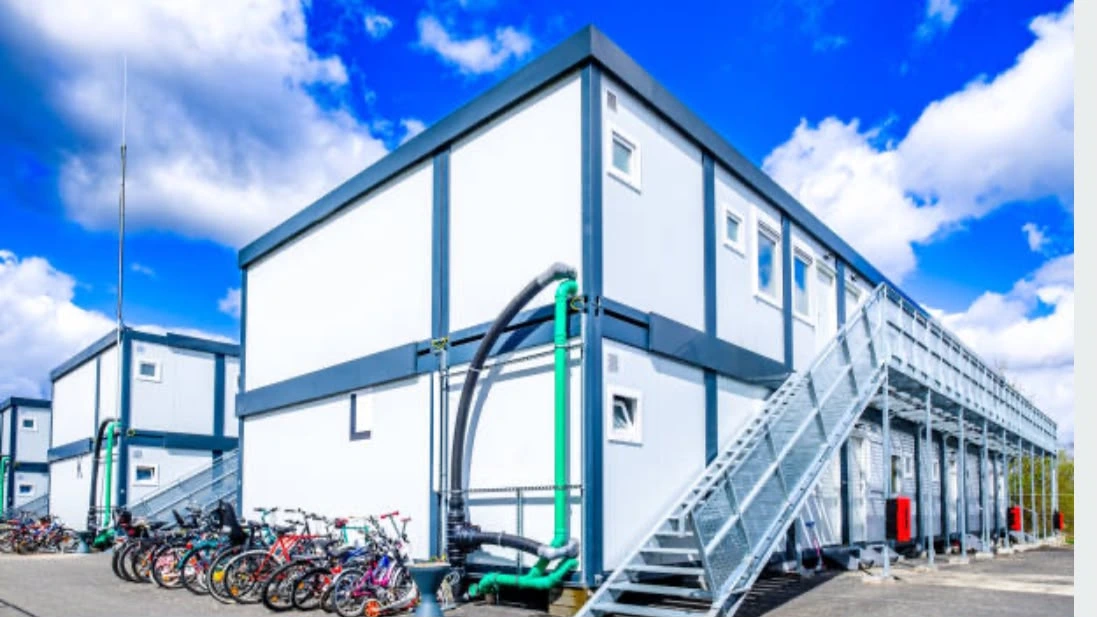
When planning a construction project, expanding your business premises, or installing additional space for educational, healthcare, or commercial purposes, temporary buildings can offer a practical and cost-effective solution. However, one question often arises before work begins: Do I need planning permission for temporary buildings?
The answer isn’t always straightforward. While some temporary structures may not require planning permission, many do, depending on factors such as their intended use, size, location, and how long they will remain in place. Failing to obtain the correct approvals could lead to costly delays, enforcement action, or even the removal of the structure.
At Planning Build, we help homeowners, businesses, developers, schools, and landowners navigate the planning process with confidence. Whether you’re considering a modular office, temporary classroom, construction site accommodation, or storage facility, our experienced planning consultants can determine whether planning permission is required and manage the application process on your behalf.
What Is a Temporary Building?
A temporary building is a structure designed to remain on a site for a limited period rather than as a permanent addition. These buildings are commonly used because they are flexible, quick to install, and often more affordable than permanent construction.
Examples of temporary buildings include:
- Modular offices
- Portable classrooms
- Construction site cabins
- Temporary healthcare facilities
- Event buildings and marquees
- Storage units
- Retail kiosks
- Temporary warehouses
Although these structures are described as “temporary”, that does not automatically exempt them from planning legislation. One of the biggest misconceptions among property owners is assuming that a building’s temporary nature means planning permission is unnecessary. In reality, local planning authorities assess each proposal based on several planning considerations rather than simply whether the building can be removed later.
If you’re unsure where your project stands, seeking professional planning advice before installation can save significant time and money.
Do Temporary Buildings Require Planning Permission?
Whether planning permission for temporary buildings is required depends on the specific details of your proposal.
Planning authorities typically consider:
- The intended use of the building
- How long the structure will remain on site
- Its size, height, and footprint
- The location of the site
- The visual impact on neighbouring properties
- Traffic and access arrangements
- Environmental considerations
- Local planning policies
- Whether the site is within a conservation area, Green Belt, or near a listed building
Each application is assessed individually, meaning two similar temporary buildings may receive different planning outcomes depending on their location and intended use.
At Planning Build, we assess your proposal against current planning policies before recommending the most appropriate course of action. This helps reduce uncertainty and avoids unnecessary delays later in the process.
Situations Where Planning Permission Is Commonly Required
Although every project is different, planning permission is commonly required for temporary buildings used for:
Commercial Premises
Businesses often install temporary offices, storage units, or workshops while expanding operations. Depending on the duration and impact of the structure, planning permission may be required before installation.
Planning Build can prepare and submit your planning application while ensuring all supporting documentation meets local authority requirements.
Construction Projects
Temporary site offices and welfare facilities are frequently used during construction projects. Although these structures support building works, they may still require planning approval depending on the circumstances.
Our consultants regularly advise contractors and developers on planning requirements before work begins, helping projects remain compliant from day one.
Educational Facilities
Schools and colleges often require additional classroom space to accommodate growing student numbers. Modular classrooms offer an effective solution, but planning considerations such as appearance, traffic, accessibility, and neighbouring amenities may all be assessed.
Planning Build works closely with educational institutions to secure the necessary planning approvals efficiently.
Healthcare Buildings
Temporary medical facilities have become increasingly common, particularly during periods of increased demand. Whether you’re installing consulting rooms, testing facilities, or treatment spaces, planning considerations still apply.
Our planning specialists help healthcare providers navigate these requirements while minimising delays.
When Planning Permission May Not Be Required
There are circumstances where planning permission may not be necessary. However, determining this requires careful assessment of planning legislation and local planning policies.
Several factors influence whether permission is needed, including:
- The duration of the building’s use
- Existing planning permissions on the site
- Permitted development rights
- Local planning restrictions
- Site-specific planning conditions
Because every project is different, relying on assumptions can be risky. Professional advice at an early stage provides clarity and helps avoid unnecessary costs if planning permission ultimately proves necessary.
Common Planning Challenges
Many planning applications for temporary buildings encounter delays because applicants underestimate the planning process.
Some of the most common issues include:
Assuming “Temporary” Means Exempt
This is one of the most frequent mistakes. ‘Temporary’ does not automatically mean permission is unnecessary.
Choosing the Wrong Planning Route
Some developments require full planning permission, while others may fall under different planning procedures. Identifying the correct route from the outset is essential.
Incomplete Documentation
Planning authorities require accurate drawings, supporting statements, site plans, and other documentation. Missing information can delay the application significantly.
Ignoring Local Planning Constraints
Conservation areas, Green Belt land, listed buildings, and local planning policies can all affect whether permission is granted.
Planning Build reviews these constraints before submission, helping clients avoid preventable issues.
How Planning Build Can Help
Planning legislation is constantly evolving, and every local authority interprets planning policies within its own local framework. Navigating this without professional guidance can be both time-consuming and stressful.
At Planning Build, we provide a complete planning consultancy service, including the following:
- Initial planning advice
- Site feasibility assessments
- Planning strategy
- Architectural drawings
- Planning applications
- Design and Access Statements
- Planning Statements
- Communication with the local planning authority
- Ongoing planning support until a decision is reached
Our objective is simple: to maximise your chances of securing planning approval while making the process as straightforward as possible.
Whether you’re a homeowner, commercial property owner, developer, school, or healthcare provider, we tailor our advice to suit your project’s specific requirements.
Why Clients Choose Planning Build
Planning applications are about much more than completing forms. A successful outcome depends on understanding planning policy, presenting a strong case, and anticipating potential concerns before they arise.
Clients choose Planning Build because we offer the following:
- Experienced planning consultants
- Tailored planning advice
- End-to-end application management
- Architectural and planning expertise under one roof
- Clear communication throughout the process
- Practical solutions designed to reduce delays and improve approval prospects
Rather than leaving you to navigate the planning system alone, we manage every stage on your behalf, allowing you to focus on your project with confidence.
Frequently Asked Questions
Can I install a temporary building without planning permission?
Some temporary buildings may not require planning permission, but many do. Requirements depend on the building’s purpose, size, location, duration, and local planning policies. A professional assessment is the safest way to determine your obligations.
How long does planning permission take?
Timescales vary depending on the complexity of the proposal and the local planning authority. Planning Build can advise on expected timelines and help prepare a complete application to minimise delays.
Do modular buildings require planning permission?
Modular buildings are assessed in the same way as other forms of development. Whether planning permission is required depends on the individual circumstances of the project.
Can Planning Build manage the entire application?
Yes. Our team can assess your proposal, prepare the required plans and supporting documents, submit your application, and liaise with the local planning authority throughout the planning process.
Speak to Planning Build Before You Install a Temporary Building
If you’re considering installing a temporary building, obtaining the right planning advice before work begins can save both time and money.
At Planning Build, we specialise in helping clients understand planning requirements, prepare robust planning applications, and navigate the planning process from start to finish. Whether your project involves a modular office, temporary classroom, commercial storage facility, or construction site accommodation, our experienced consultants are ready to help.
Explore our planning permission, planning applications, and architectural design services to learn how we can support your project. If you’re ready to move forward, contact Planning Build today for tailored advice and expert guidance on planning permission for temporary buildings.