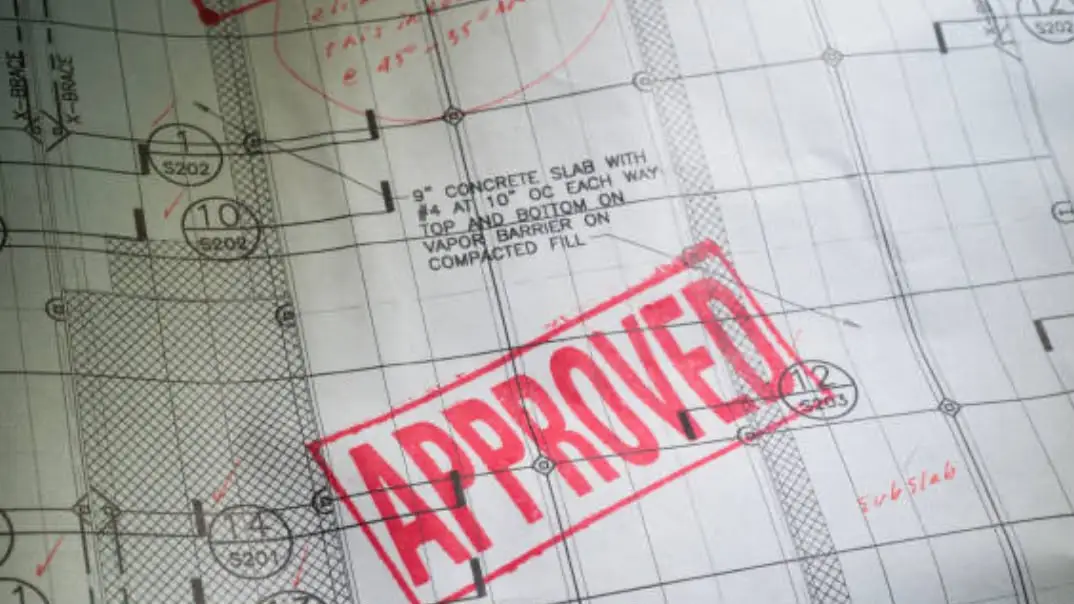
Planning permission is an important part of property development in the UK. Whether you are building a new property, extending an existing building, changing its use or developing land, understanding the planning requirements before starting work can help prevent delays, additional costs and enforcement issues.
Not every project requires a planning application. Some development may benefit from permitted development rights, while other proposals will need formal approval from the relevant local planning authority.
What Is Planning Permission?
Planning permission is formal approval for development from the relevant local planning authority. It is used to manage how land and buildings are developed and to ensure proposals are considered against planning policies and their potential impact on the surrounding area.
Development can include:
- Constructing a new building
- Extending an existing property
- Changing the use of a building or land
- Developing previously undeveloped land
- Certain temporary buildings and structures
- Some structural alterations
The planning requirements vary depending on the type of development and the location of the site.
When Is Planning Permission Required in the UK?
Planning permission may be required when proposed works or a change of use constitute development and are not covered by permitted development rights or another exemption.
Common examples include new residential or commercial buildings, substantial extensions and certain changes of use.
The fact that you own a property or piece of land does not automatically give you the right to carry out any type of development on it. Planning restrictions, existing permissions and site-specific considerations may affect what can be done.
Before beginning work, it is therefore important to establish whether planning permission is required.
Permitted Development Rights
Permitted development rights allow certain types of development to take place without submitting a standard planning application.
Depending on the circumstances, these rights can cover certain:
- Home extensions
- Loft conversions
- Outbuildings
- Changes of use
- Commercial development
- Agricultural development
- Temporary structures
However, permitted development rights are subject to conditions and limitations.
Some properties and locations may also have restrictions that remove or limit these rights. For this reason, it is important to check that your specific proposal meets all the relevant requirements rather than assuming that planning permission is unnecessary.
The Planning Permission Process
Where planning permission is required, an application is submitted to the relevant local planning authority.
The information required will depend on the nature and scale of the proposal. An application may include:
- Application forms
- Site location plans
- Existing and proposed drawings
- Design information
- Planning statements
- Supporting documents
- Specialist reports where required
Larger or more complex developments may require additional information relating to transport, ecology, drainage, heritage, flood risk or other planning matters.
A well-prepared application can make it easier for the planning authority to assess the proposal.
How Planning Applications Are Assessed
Once an application has been submitted and validated, the local planning authority considers the proposal against relevant planning policies and other material considerations.
Factors that may be considered include:
- The principle of development
- Design and appearance
- The effect on neighbouring properties
- Access and highway safety
- Parking
- Landscaping
- Heritage
- Ecology
- Flood risk
- The character of the surrounding area
Planning applications may also be subject to public consultation. Neighbours and other interested parties may have an opportunity to submit comments.
The planning authority then decides whether the application should be approved or refused.
How Long Does Planning Permission Take?
The time required to determine a planning application varies according to its type, scale and complexity.
A straightforward application may be determined relatively quickly, while larger developments can require considerably more time.
Delays may occur where additional information is requested, amendments are needed or the proposal involves complex planning considerations.
Preparing the application carefully before submission can help reduce avoidable delays.
What Happens If Planning Permission Is Refused?
A refused planning application is not necessarily the end of a project.
The next step will depend on the reasons for refusal and the circumstances of the development. Options can include:
- Revising the proposal
- Addressing the planning authority’s concerns
- Submitting a new application
- Appealing the decision
The reasons for refusal should be reviewed carefully before deciding which approach is most appropriate.
In some cases, making changes to the proposal and submitting a new application may be more practical than pursuing an appeal.
Planning Permission and Building Regulations
Planning permission and Building Regulations are separate requirements.
Planning permission focuses on whether a development is acceptable in planning terms, including its location, use, design and effect on its surroundings.
Building Regulations focus on the technical standards that apply to construction and building safety. These can include structural stability, fire safety, ventilation, accessibility and energy efficiency.
A development may therefore need both planning permission and Building Regulations approval.
Receiving planning permission does not automatically mean that Building Regulations requirements have been met, and vice versa.
Planning Permission for Land
Planning permission is particularly important when considering the development potential of land.
Landowners and developers may need to establish whether a site can be developed and what type of development could be acceptable.
Factors such as planning policy, access, environmental constraints, existing uses and neighbouring development can influence the potential of a site.
Obtaining planning advice before purchasing or developing land can help identify potential opportunities and constraints at an early stage.
Planning Permission for Temporary Structures
Temporary buildings and structures can also have planning implications.
Examples include:
- Modular buildings
- Site offices
- Temporary classrooms
- Storage structures
- Marquees
- Event facilities
Some temporary structures may benefit from permitted development rights, while others may require planning permission.
The planning position can depend on the structure’s purpose, location, size and intended duration. Being removable or relocatable does not automatically make a structure exempt from planning requirements.
Why Get Professional Planning Advice?
Planning rules can be complex, particularly where a proposal involves a change of use, new development, temporary structures or land with specific planning constraints.
Professional planning advice can help you understand:
- Whether planning permission is required
- Whether permitted development rights apply
- What planning constraints affect the site
- Which application route is appropriate
- What supporting information may be needed
- How to address potential planning issues
Getting advice early can help identify problems before significant time and money are invested in a project.
How Planning Build Can Help
Planning Build supports property owners, developers and businesses with planning and development projects.
The team can assist with planning permission advice, planning applications, feasibility advice and planning strategy, architectural design and planning appeals.
Whether you are developing land, extending a property, changing its use or considering a temporary structure, understanding the planning position at an early stage can help you make informed decisions.
Understanding Planning Permission UK
Planning permission plays an important role in managing development across the UK, but the requirements vary depending on the proposal, site and applicable planning rules.
Before starting a project, establish whether planning permission is required or whether permitted development rights or another route may apply. Where an application is needed, preparing the correct information and addressing relevant planning considerations can help the process run more smoothly.
Planning Build can help you assess your proposal and identify the appropriate planning route.
Explore Planning Build’s services or contact Planning Build to discuss your project.