Understanding Rear Extension Planning Permission in the UK
Homeowners across the UK are continually seeking ways to enhance their properties for added comfort, space, and value. One of the most popular home improvement projects is a rear extension – whether it’s an enlarged kitchen, living area, or an extra room for a growing family. However, before breaking ground, it’s vital to comprehend the rules surrounding rear extension planning permission UK. Gaining a firm grasp of the legalities, requirements, and essential steps can save you time, money, and future legal headaches.
What Are Rear Extensions?
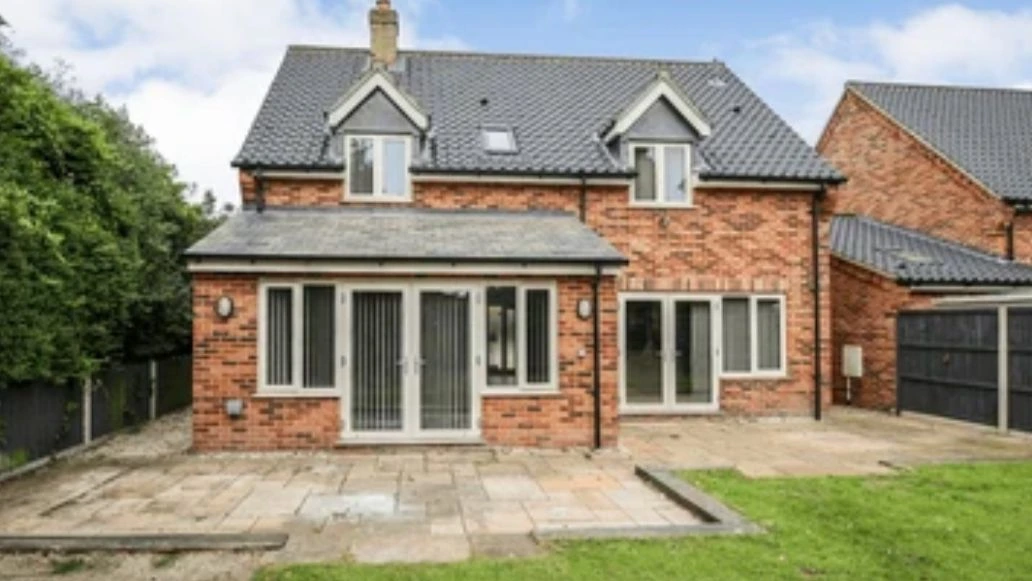
A rear extension refers to building additional space onto the back of an existing property. This is typically the preferred method of extension because it usually doesn’t affect the property’s front façade, thus maintaining street appearance. Rear extensions can be single-storey or multi-storey. Single-storey rear extensions are most common, allowing for kitchen-diners, larger living spaces, or sunrooms. Multi-storey rear extensions can add significant living or bedroom areas but may be more complex in terms of regulations and neighbour relations.
Permitted Development Rights – Do You Need Planning Permission?
Many homeowners ask: “Do I need planning permission for a rear extension in the UK?” The answer depends on several factors. Luckily, most rear extensions fall under what is known as Permitted Development Rights (PD), allowing certain works without the need to seek formal planning approval from your local authority. However, strict guidelines apply, and breaching them means you’ll have to apply for retrospective permission or even undo the work.
The main criteria to take advantage of permitted development when considering a rear extension planning permission UK are:
- The extension must not cover more than half the area of land around the original house.
- It must not be higher than the highest existing part of the roof.
- Single-storey rear extensions cannot extend beyond the rear wall by more than 3 metres (attached houses) or 4 metres (detached houses).
- Maximum height must not exceed 4 metres.
- Materials used must be similar to the existing property.
- No verandas, balconies, or raised platforms are allowed.
Keep in mind: the definition of the “original house” is the property as it stood as of 1 July 1948, or when it was first built, if after that date.
Larger Home Extension Scheme (Neighbour Consultation Scheme)
Since 2013, the government introduced a temporary scheme known as the Larger Home Extension Scheme. This allows homeowners to build even larger rear extensions (up to 6 metres for terraced or semi-detached homes, and up to 8 metres for detached) without full planning permission, under specific rules:
- The local planning authority must be notified.
- Your immediate neighbours are consulted and can object on limited grounds.
- If objections are raised, the council decides if the extension can proceed.
- This scheme primarily applies to single-storey rear extensions.
This opportunity, sometimes called “prior notification,” gives some flexibility but also involves more process and waiting time.
When Do You Always Need Rear Extension Planning Permission UK?
Not every rear extension qualifies under Permitted Development. You need to apply for planning permission if your extension falls under any of the following circumstances:
- Your property is a flat or maisonette (Permitted Development Rights do not apply).
- Your house is in a conservation area, national park, or other designated land such as World Heritage Sites or Areas of Outstanding Natural Beauty.
- Your home has previously had its permitted development rights removed (common in new build estates).
- The extension does not conform to size, height, or materials rules.
- The extension will be more than one storey and extend beyond 3 metres from the rear wall.
- There are significant impacts on neighbours’ amenity (light, privacy, outlook).
If you are in doubt, it is always safest to consult your local council’s planning officers or hire a professional architect familiar with rear extension planning permission UK requirements in your local borough.
Building Regulations and Rear Extensions
Even when planning permission is not needed, building regulations will usually apply. Building regulations focus on the technical and safety aspects of construction (structural integrity, fire safety, ventilation, insulation, energy efficiency, drainage, etc.). An approved inspector or council’s Building Control Department must sign off on the work at key stages, regardless of whether you have permitted development rights.
Key building regulations considerations include:
- Foundations and groundwork stability.
- Structural safety – beams, roofs, and walls.
- Damp-proofing and insulation.
- Safe electrics and plumbing (if you’re adding kitchens or bathrooms).
- Fire exits and alarms.
- Drainage and waste disposal.
Skipping building regulations approval can lead to fines, problems selling your house, and, in severe cases, orders to demolish all or part of the extension.
Party Wall Act and Neighbours’ Considerations
The Party Wall Act 1996 often applies to rear extension planning permission UK when works affect shared or adjoining walls (party walls), or excavations are made near neighbouring foundations. If applicable, you must inform affected neighbours in writing, allowing them to consent or dissent. Disputes are commonly resolved through surveys and agreements.
Apart from legal requirements, maintaining good relationships with neighbours is essential. Many councils will consider valid objections based on loss of light, privacy, or overbearing impact as part of their review, even under permitted development (especially if using the Larger Home Extension Scheme).
Common Mistakes in Rear Extension Planning Permission UK
Navigating planning rules isn’t always straightforward. Common pitfalls homeowners face include:
- Incorrect Measurement: Failing to measure the original rear wall accurately or not accounting for earlier (previously built) extensions.
- Assuming Permitted Development Applies: Overlooking that your estate, locality, or house type might have removed permitted development rights.
- Poor Design or Materials: Not matching materials with the existing house, causing objections or rejections.
- Ignoring Building Regulations: Omitting technical safety approvals, which are separate from planning permission.
- Neglecting Party Wall Act: Failing to notify neighbours when required, leading to disputes and possible legal blockages.
- No Certificate of Lawfulness: For added security, obtaining a Lawful Development Certificate proves to buyers that your extension is compliant, which is crucial when selling your home.
Applying for Rear Extension Planning Permission – Step-by-Step Guide
If your project doesn’t fall within permitted development or the Larger Home Extension Scheme, you must apply for planning permission. Here’s a general process overview:
- Pre-application Advice: Many councils offer advice services, where you submit basic plans for feedback and guidance before a full application.
- Hire Professionals: Employ an architect or designer with UK housing experience to draft accurate plans and elevations. Structural engineers may be necessary for complex projects.
- Prepare Planning Documents: Typical requirements include site/location plans, existing and proposed floor plans, elevations, design and access statement, and completed application forms.
- Submit the Application: Applications are managed via your local authority, usually online through the Planning Portal (www.planningportal.co.uk).
- Public Consultation: Neighbours are notified and given the opportunity to comment.
- Planning Decision: The council’s planning officers review the application (usually within 8 weeks for householders). They may apply conditions or request amendments.
- Approval or Refusal: If approved, your works must comply with both planning permission and building regulations. If refused, you have the right to appeal or revise your plans.
Navigating Rear Extension Planning Permission UK with Confidence
A rear extension is one of the most effective ways to add space and value to your home, but success depends on understanding rear extension planning permission UK rules from the outset. While many projects fall under Permitted Development Rights, strict limits on size, height, and design mean careful checks are essential to avoid breaches or enforcement action.
Where planning permission is required, approval will depend on factors like neighbour impact, design quality, and local planning policies. It’s also important not to overlook building regulations and the Party Wall Act, which ensure your extension is safe, compliant, and properly executed.
Because every property and council area is different, professional guidance can make the process smoother and increase your chances of approval.
For expert help with your application, Planning Build provides end-to-end support for rear extension planning permission UK projects from initial advice to successful approval.