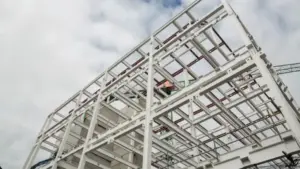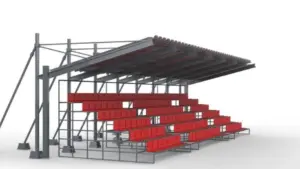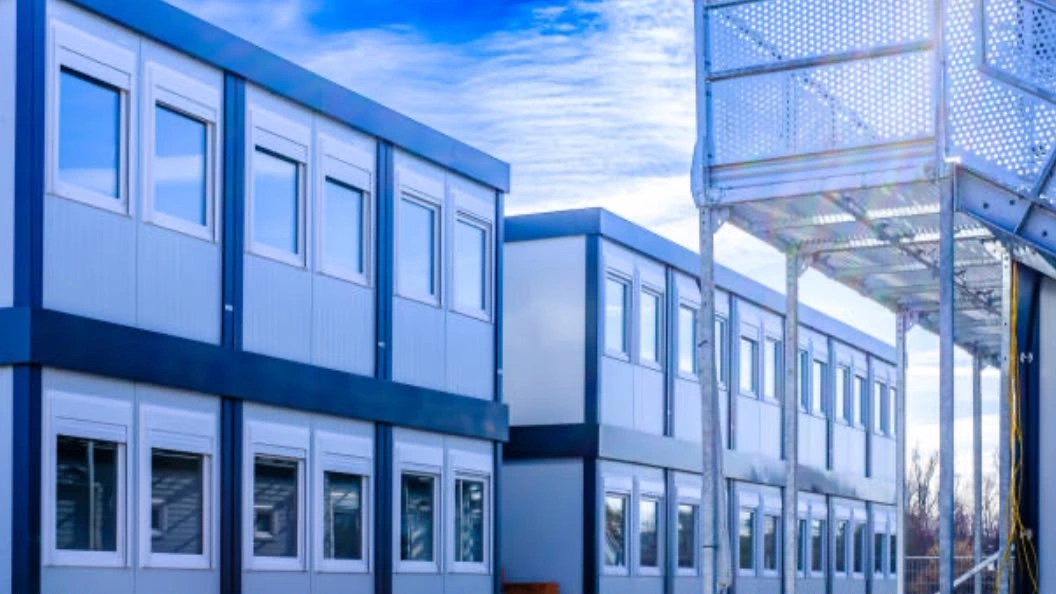
Temporary structures are widely used across the UK for commercial, residential, educational, construction and event purposes. They can provide flexible, practical and cost-effective space without the need for a permanent building. Common examples include temporary classrooms, portable offices, marquees, modular buildings, site cabins, storage units, pop-up retail spaces and event structures.
However, the term ‘temporary’ can be misleading when it comes to planning law. A structure does not automatically avoid planning permission simply because it can be moved, dismantled or removed at a later date.
Planning Build provides professional support with planning strategy, feasibility assessments, planning applications, architectural design and building regulations. Whether you are planning a temporary structure for a business, school, construction project, event or other purpose, our team can help you understand the planning process and prepare an appropriate application.
What Is a Temporary Structure?
A temporary structure is generally a building, installation or structure intended to remain in place for a limited period rather than permanently.
Many temporary structures are portable, modular, demountable or designed to be removed once their purpose has been completed. However, the ability to move or dismantle a structure does not necessarily determine whether it requires planning permission.
Examples of temporary structures include:
- Temporary event structures and marquees
- Portable offices
- Construction site cabins
- Temporary classrooms
- Modular buildings
- Pop-up shops
- Temporary storage buildings
- Exhibition spaces
- Temporary healthcare facilities
- Seasonal hospitality structures
- Temporary accommodation
- Sports and leisure structures
- Site welfare facilities
The planning status of a temporary structure will depend on the circumstances of the individual project. A small structure used for a short period may be assessed differently from a large temporary building that remains on site for several months or supports a new commercial activity.
Do You Need Temporary Structure Planning Permission?
Temporary structure planning permission may be required where the installation or use of a structure is considered development under planning legislation.
There is no single rule that applies to every temporary structure. The planning authority will usually assess the proposal based on its individual characteristics and the planning context of the site.
Important factors may include:
The Size and Scale of the Structure
The dimensions of the structure may affect whether planning permission is required.
A large temporary building can have a significant impact on the appearance and use of a site, even if it is designed to be removed. The planning authority may consider its:
- Height
- Footprint
- Volume
- Overall scale
- Position on the site
- Relationship with existing buildings
A substantial temporary structure may create effects similar to those of a permanent building. Its temporary status does not necessarily remove the need for planning approval.
The Length of Time the Structure Will Remain in Place
The proposed duration is an important consideration when assessing temporary structure planning permission.
A structure used for a short event may be treated differently from one that remains in place for several months or years. However, there is no universal rule that all temporary structures below a particular time limit are automatically exempt from planning requirements.
The duration should be considered alongside the structure’s use, location and potential impact. A planning authority may also consider whether the structure is genuinely temporary or whether it is likely to remain on site for longer than originally proposed.
The Intended Use
The purpose of the temporary structure can be as important as its physical form.
For example, a temporary storage building may be assessed differently from a structure used as the following:
- A classroom
- An office
- A retail unit
- A café
- A public event venue
- Residential accommodation
- A healthcare facility
The local planning authority may consider issues such as operating hours, visitor numbers, traffic, noise, parking and the effect on nearby properties.
The Location of the Structure
The site location can have a major effect on planning requirements.
Temporary structures may receive greater planning scrutiny when they are located within or close to:
- Conservation areas
- Green Belt land
- National Parks
- Areas of Outstanding Natural Beauty
- Listed buildings
- Heritage assets
- Sensitive landscapes
- Residential areas
The planning authority may assess the structure’s effect on the character, appearance and significance of the area.
Professional planning advice can be particularly valuable when a temporary structure is proposed in a sensitive or restricted location.
The Impact on Neighbours and the Surrounding Area
A temporary structure may still affect neighbouring properties and the wider community.
Potential planning impacts may include:
- Loss of privacy
- Overshadowing
- Reduced daylight
- Increased noise
- Visual impact
- Traffic and parking pressure
- Changes to access
- Increased activity on the site
- Disturbance from events or commercial use
The planning authority may consider whether the proposal would create an unacceptable effect, even if the structure is only intended to remain in place for a limited period.
Temporary Planning Permission Explained
Temporary planning permission is a form of planning consent granted for a specific and limited period.
Rather than approving a development permanently, the local planning authority may allow the structure or use to operate for a defined period. At the end of that period, the structure may need to be removed and the site restored unless further planning permission is obtained.
Temporary planning permission may be relevant to:
- Pop-up businesses
- Temporary event venues
- Construction-related buildings
- Temporary educational facilities
- Interim community spaces
- Short-term commercial uses
- Trial developments
- Temporary accommodation
A time-limited planning permission may allow the planning authority to assess the effect of the development before deciding whether a longer-term or permanent proposal would be acceptable.
However, temporary planning permission is not automatic. The proposal must still be assessed against national planning policy, local planning policy and other relevant planning considerations.
How Long Can a Temporary Structure Remain Without Planning Permission?
There is no single time limit that applies to every type of temporary structure. Some temporary uses and structures may benefit from specific planning provisions, while others may require planning permission from the outset.
The following factors may affect the position:
- The type of structure
- The proposed use
- The location of the site
- The duration of the installation
- Whether the structure is associated with an existing lawful use
- Whether the proposal changes the use of the land
- The effect on neighbouring properties
- Relevant permitted development rights
It is important not to assume that a structure can remain on site without permission simply because it is intended to be temporary.
Planning rules can be complex, and the consequences of getting the position wrong may include enforcement action, financial loss or the requirement to remove the structure.
Planning Build can provide feasibility advice and planning strategy before you commit to purchasing or installing a temporary structure.
Types of Temporary Structures That May Require Planning Permission
The planning requirements will vary depending on the proposal, but the following types of structures may require planning consideration.
Temporary Classrooms
Schools and educational institutions may use temporary classrooms to manage increased pupil numbers, refurbishment projects or changes in educational requirements.
Planning issues may include:
- The structure’s location
- Impact on the school site
- Access and circulation
- Noise
- Parking and traffic
- Design and appearance
- Impact on neighbouring properties
Building regulations and accessibility requirements may also need to be considered.
Portable Offices and Site Cabins
Portable offices are commonly used on construction sites and commercial premises.
The planning position may depend on whether the structure is genuinely associated with temporary construction works or is being used as a longer-term office or operational building.
The structure’s duration, location and relationship with the site’s existing use may all be relevant.
Temporary Event Structures
Marquees, stages, exhibition spaces and other event structures may be used for weddings, festivals, corporate events and public gatherings.
Planning considerations may include:
- The length of the event
- The frequency of events
- Noise and operating hours
- Traffic and parking
- Public access
- The scale of the structure
- The effect on neighbouring properties
A temporary event structure may also be subject to separate licensing, safety and operational requirements.
Modular Buildings
Modular buildings can be installed quickly and used for offices, classrooms, healthcare facilities, accommodation and commercial activities.
Although modular buildings are often described as temporary, they may have a substantial physical presence and may remain in place for a long period.
Planning permission may therefore be required depending on the circumstances.
Temporary Storage Structures
Temporary storage buildings may be used by businesses, warehouses, construction companies and property owners.
Planning considerations may include the structure’s size, height, location and effect on the site. The use of the building may also increase vehicle movements or operational activity.
Pop-Up Retail and Hospitality Structures
Temporary retail units, food outlets and hospitality spaces can support seasonal businesses, events and short-term commercial opportunities.
The planning authority may consider whether the proposal introduces a new use, affects the character of the area or creates additional traffic, noise or waste.
Temporary Structure Planning Permission and Building Regulations
Planning permission and building regulations are separate approval systems.
Planning permission is mainly concerned with whether a development is appropriate for a particular location. It may consider:
- Land use
- Design and appearance
- Impact on neighbouring properties
- Local character
- Traffic and access
- Environmental impact
- Compliance with planning policy
Building regulations are concerned with the technical standards of construction and may address:
- Structural safety
- Fire safety
- Accessibility
- Ventilation
- Energy efficiency
- Drainage
- Electrical safety
A temporary structure may need planning permission, building regulations approval or both.
The requirements will depend on the structure’s design, size, use and intended duration.
For example, a temporary building used by employees, students or members of the public may require careful consideration of fire safety, accessibility and structural performance.
Planning Build can assist with building regulation compliance as part of a coordinated planning and design service.
How to Apply for Temporary Structure Planning Permission
If planning permission is required, the application should provide enough information for the local planning authority to understand and assess the proposal.
The exact requirements will vary depending on the scale and nature of the project, but an application may include:
- A completed planning application form
- Site location plan
- Block or site plan
- Existing and proposed drawings
- Floor plans
- Elevation drawings
- Design and access information
- Planning statement
- Supporting technical reports
- Site photographs
- Details of the proposed use
- Information about the intended duration
- A proposed removal and restoration strategy
The application should explain why the temporary structure is needed, how it will be used, how long it will remain on site and what will happen when the approved period ends.
Clear and accurate drawings are important because they allow the planning authority to assess the structure’s scale, position and relationship with nearby buildings and land.
Planning Build offers architectural design services to support projects from the initial concept through to planning submission.
How Planning Build Can Help With Temporary Structure Planning Permission
Planning for a temporary structure involves more than selecting a suitable building or deciding where it will be placed.
A successful project may require:
- Early planning advice
- Site feasibility assessment
- Planning strategy
- Architectural drawings
- Planning application preparation
- Coordination of supporting documents
- Building regulations advice
- Communication with the local planning authority
Planning Build provides an integrated range of professional services to support projects at different stages.
Our services include:
- Planning permission advice
- Planning application services
- Feasibility advice and planning strategy
- Architectural design
- Building regulation compliance
- Planning appeal support
By obtaining advice early, you can identify potential planning issues before investing in the structure or beginning installation.
Our team can help you understand whether planning permission may be required and prepare a clear, well-supported proposal for submission.
Frequently Asked Questions
Do all temporary structures need planning permission?
No. Planning requirements depend on the type of structure, its size, use, location, duration and impact.
Some structures may not require planning permission, while others may need formal approval. Professional advice should be obtained for the specific proposal.
Can a portable building require planning permission?
Yes. A portable or movable building may require planning permission if it is used as part of a development, remains on site for an extended period or changes the use of the land.
How long can a temporary structure remain on site?
There is no single time limit that applies to every temporary structure.
The answer depends on the type of development, the use of the land, relevant planning rules and the circumstances of the site.
What is temporary planning permission?
Temporary planning permission is consent granted for a limited period.
The permission may include conditions requiring the structure to be removed and the site to be restored at the end of the approved period.
Can temporary planning permission become permanent?
Temporary planning permission does not automatically become permanent.
If the structure or use is intended to continue, a new planning application may be required. The local planning authority will assess the proposal based on the relevant planning policies and the effects of the development.
Do temporary event structures require planning permission?
Some temporary event structures may require planning permission, while others may be covered by different planning provisions.
The planning position will depend on the structure, location, event duration, frequency of use and potential impact.
Get Professional Advice on Temporary Structure Planning Permission
Temporary structures can provide valuable flexibility for businesses, schools, construction projects, events and other developments. However, their temporary nature does not automatically remove the need for planning permission.
The planning requirements may depend on the structure’s size, location, duration, use and effect on the surrounding area.
If you are considering a temporary classroom, modular building, portable office, event structure, temporary storage facility or pop-up commercial space, Planning Build can help you develop a suitable planning strategy and prepare the necessary documentation.
Visit our services page to explore how we can support your project, or contact Planning Build to discuss your temporary structure planning requirements with our team.