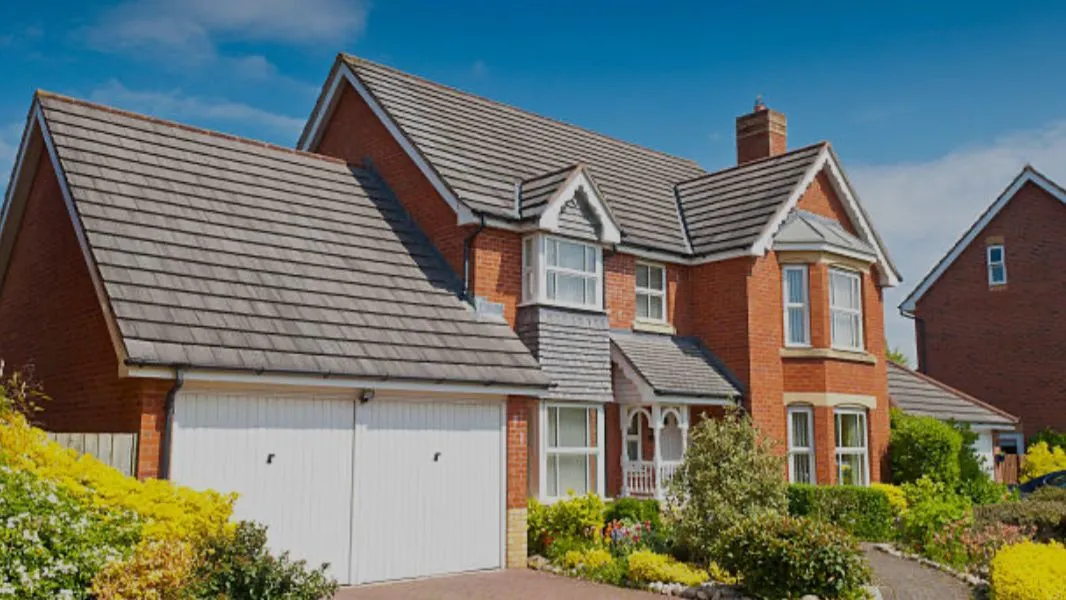
Transforming a garage into a usable living space is a popular way to gain extra room in UK homes without the expense of moving. However, before you begin knocking down walls or installing new windows, it’s crucial to understand garage conversion planning permission UK rules. This comprehensive guide will walk you through everything you need to know about planning permission for garage conversions, permitted development rights, building regulations, and practical considerations for your project.
Understanding Garage Conversion Planning Permission in the UK
Planning permission is a legal requirement in some cases for certain types of development, including garage conversions. However, not every garage conversion project in the UK requires formal planning approval. The need for planning permission depends on several factors including the structure of your garage, its intended use after conversion, your property’s location, and whether permitted development rights apply.
Generally, converting a garage that’s part of your home (integral or attached) into a living space can often be done under permitted development rights, meaning you may not need full planning permission. However, if your garage is detached, you live in a listed building, a conservation area, or your home has previous planning restrictions, you may need to apply to your local authority for permission.
What Are Permitted Development Rights?
Permitted development rights allow homeowners to improve and extend their properties without the need for a full planning application, provided certain limits and conditions are met. In the case of garage conversion planning permission UK, many internal garage conversions benefit from these rights, meaning you won’t need to go through the formal planning process as long as the conversion is purely internal and does not involve enlarging the building.
However, it’s essential to confirm with your local planning authority that your garage conversion project qualifies for permitted development. Some local authorities have withdrawn permitted development rights on certain properties or areas (known as Article 4 Directions), making planning applications necessary in these cases.
When Is Planning Permission Required for Garage Conversions?
Not all garage conversions are automatically permitted; there are circumstances where planning permission is essential:
- Change of Use: If you intend to change a garage from a storage or parking space into a separate dwelling, such as a self-contained flat or annexe, you will likely need planning permission.
- Significant Alterations to the Exterior: If your conversion involves substantially altering the outside appearance of the building, such as adding new windows, increasing the overall size, or changing the roof, this can require formal planning consent.
- Location-Based Restrictions: If your property is in a conservation area, national park, or is listed, stricter planning rules usually apply, and permission is likely required.
- Previously Imposed Conditions: Some properties, particularly on newer developments, have planning conditions attached which prevent garages from being converted. These would need to be removed by applying for a variation of condition.
- Shared Garages: If your garage is part of a block or shared ownership, special rules and permissions from building owners may be needed in addition to planning permission.
How to Check If You Need Garage Conversion Planning Permission
Every local authority in the UK has a planning department that can advise you on whether your specific garage conversion will require permission. To check:
- Contact your local planning authority (details are usually available on your council’s website).
- Use the interactive tools on the Planning Portal website for guidance on permitted development rights.
- Request a Certificate of Lawfulness for peace of mind if you are certain your project qualifies as permitted development. This certificate is not mandatory but can aid with future property sales and disputes.
- If in doubt, apply for pre-application advice from your local authority to clarify your position before starting work.
Building Regulations and Garage Conversions
Regardless of whether formal planning permission is needed, almost all garage conversions require building regulations approval. Building regulations ensure that any structural changes, insulation, fire safety, ventilation, electrical work, and plumbing meet minimum standards for safety and efficiency. The most common areas covered by building regulations for a garage conversion include:
- Structural Safety: If you remove the garage door and replace it with a wall, this new wall must comply with structural requirements.
- Insulation: Walls, floors, and roofs must be insulated to current standards to create a suitable living space.
- Fire Safety: Adequate escape routes, smoke alarms, and fire-resistant doors and walls may be required.
- Ventilation: Proper airflow must be maintained, especially if new bathrooms or kitchens are added as part of the conversion.
- Electrics & Plumbing: All installations must comply with current wiring and plumbing regulations.
Prior to starting work, you must submit a building notice or full plans application to your local building control authority. After building work is complete, the inspector will visit to check compliance and, if satisfied, issue a completion certificate.
How to Apply for Planning Permission for a Garage Conversion
If your garage conversion does require planning permission, it’s advisable to seek professional help from an architect, builder, or planning consultant to create detailed plans for submission. The standard steps are:
- Draw up detailed plans showing the proposed layout and any visual changes to the property.
- Gather supporting documents, such as site plans, ownership certificates, and if applicable, design and access statements.
- Submit your application and pay the required fee to your local planning authority (most applications can be made online via the Planning Portal).
- Wait for your application to be processed. The local authority will usually respond within 8-12 weeks. Neighbours and other stakeholders may be notified and have a chance to object.
- Once approved, ensure you display the notice as required and only begin work after the decision is finalised.
Common Planning Conditions or Restrictions
Several planning conditions might affect your ability to convert your garage, including:
- Restrictions on removing parking spaces, particularly if off-street parking is limited in your area.
- Requirements to retain the appearance of the street or estate.
- Limitations on creating a separate address or dwelling.
- Conditions attached to new-build homes prevent alterations for a specific period after construction (known as Article 4 directions).
If such conditions exist, you may need to apply for their removal or variation, which involves additional paperwork and deliberation by your planning authority.
Listed Buildings, Conservation Areas, and Other Special Cases
If your home is a listed building, any changes – internal or external – likely need listed building consent in addition to regular planning approval. Conservation areas have stricter rules to maintain the character of the area, so external changes such as new windows or doors often require approval.
If your property is in a conversion-restricted zone, or “Article 4 Direction” area, the council has removed certain permitted development rights, and formal planning permission is required for any significant alterations.
Detached Garage Conversions
Converting a detached garage can be more complicated than an attached one. If you wish to turn a detached garage into a separate living space or annexe, you may face more stringent planning controls, especially if it will have a kitchen or bathroom.
The intended use is key. Habitable accommodation used as part of the main house is more likely to be permitted under development rights, but if you plan to rent the space out or create an independent dwelling, planning permission will almost certainly be necessary.
Impact on Parking, Neighbours, and the Street Scene
Some councils are reluctant to allow garage conversions that reduce local parking provision, particularly if on-street parking is limited. When applying for planning, be prepared to show how you will provide sufficient alternative parking. Similarly, neighbours may object if the conversion leads to more vehicles parked on the street.
Maintaining the external appearance of your property is also important. Many councils require that converted garages blend with the rest of the home or the streetscape, so using matching materials and window styles is crucial.
Preparing for a Successful Garage Conversion
To ensure your garage conversion runs smoothly and meets all legal requirements:
-
- Plan Ahead: Consult your local planning authority and building control before making any changes.
- Gather Documentation: Prepare detailed plans and evidence for planning, building regulations, and possible future sales.
- Hire Professionals: Engaging an architect, surveyor, or specialist builder can prevent costly mistakes and delays.
Convert Your Garage with Confidence and Compliance
A garage conversion is one of the most efficient ways to unlock extra living space in your home—but understanding garage conversion planning permission UK rules is essential to getting it right. While many conversions fall under permitted development, factors like location, design changes, property restrictions, and intended use can quickly determine whether full planning permission is required.
As this guide highlights, success lies in careful planning and informed decision-making. From confirming your permitted development status and addressing parking considerations to meeting building regulations and handling planning conditions, every step plays a key role in avoiding delays, unexpected costs, or compliance issues.
The reality is that even “simple” garage conversions can become complex without the right guidance.
Let Planning Build take care of your planning permission and design needs—so you can build with confidence. Get in touch today and start your project the right way.