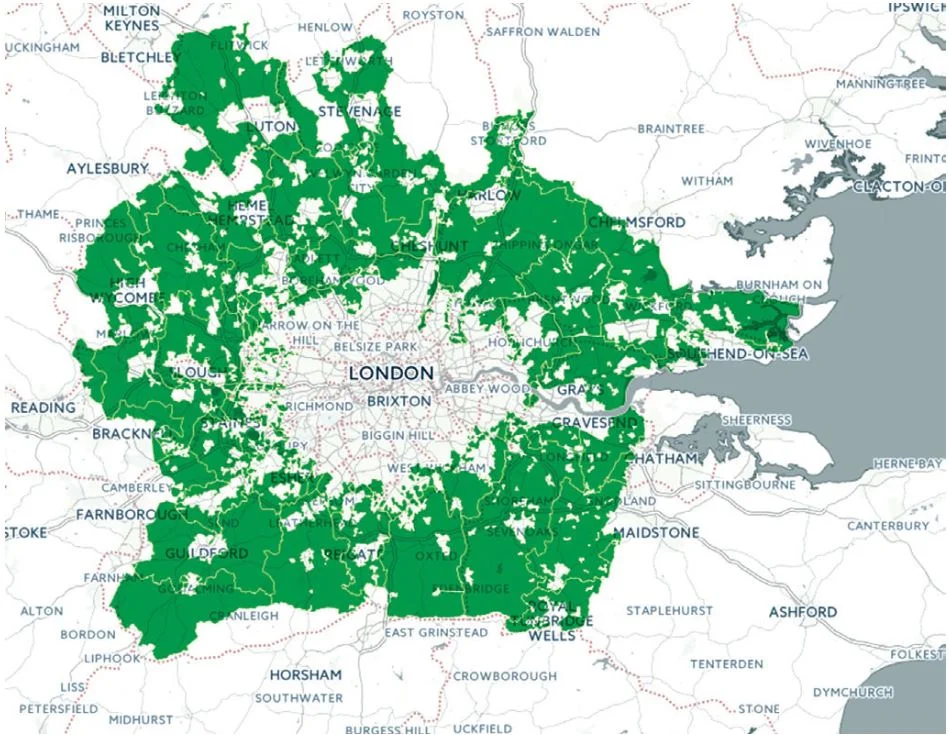
Navigating the complexities of green belt planning permission in the UK can seem daunting to homeowners, developers, and landowners eager to embark on new projects. The UK’s green belts are designated areas of protected land, intended to check urban sprawl and maintain the countryside around major cities. While these zones are vital for ecological and social reasons, they are also subject to some of the strictest planning controls in the country. Understanding how green belt planning permission works is essential if you’re contemplating any form of building, extension, or change of use on green belt land. This comprehensive guide will walk you through everything you need to know about green belt planning permission in the UK: the rules, challenges, successful approaches, and frequently asked questions.
What Is Green Belt Land?
Green belt land refers to designated areas around UK cities and towns where building is tightly controlled. Introduced in the 1950s, green belts have grown to cover roughly 13% of England’s land. The purpose of green belts is multi-faceted, aiming to:
- Prevent urban sprawl by keeping land permanently open
- Safeguard the countryside from encroachment
- Prevent neighbouring towns from merging
- Preserve the setting and special character of historic towns
- Support urban regeneration by encouraging development inside urban areas
Green belt policies are laid down by the National Planning Policy Framework (NPPF) and interpreted locally by planning authorities. Despite the absolute-sounding intention to keep land ‘open’, there are situations where green belt planning permission can be achieved although it is often challenging.
Core Principles of Green Belt Planning Permission UK
At the heart of green belt planning permission in the UK is a ‘presumption against inappropriate development’. This means new buildings or changes of use are generally rejected unless special circumstances exist or the proposals are listed as exceptions in the NPPF. Local planning authorities must very clearly justify why development is allowed on green belt land and ensure that openness and green belt purposes are not harmed.
The NPPF outlines certain types of development that are not considered inappropriate, for example:
- Agricultural or forestry-related buildings
- Outdoor sport and recreational facilities
- Extension or alteration of existing buildings (providing it does not result in disproportionate additions)
- Replacement of an existing building with a building in the same use
- Limited infilling in ‘villages’ or limited affordable housing for local community needs
Any development proposal outside these exemptions must demonstrate very special circumstances (VSC), which are assessed rigorously.
What is Inappropriate Development?
Inappropriate development is anything not covered by the NPPF’s exceptions, like most new dwellings, business units, or large extensions. If a proposal is classed as inappropriate, it will be refused unless the applicant can demonstrate ‘very special circumstances’ where the benefits clearly outweigh harm to the green belt.
Common examples regarded as inappropriate:
- New housing estates or commercial developments
- Large outbuildings detached from the main property
- Major alterations that significantly increase the bulk or footprint of a building
- Change of use from agriculture to residential or commercial not serving the local community
Essentially, the main aim of policy is to keep land open and free from urbanising influences that damage the green belt’s purpose.
What Constitutes Very Special Circumstances?
It is possible to secure green belt planning permission UK if ‘very special circumstances’ can be robustly demonstrated. While there is no legal definition, examples from case law and appeals include:
- Developments essential for public infrastructure (e.g., utilities, schools)
- Buildings providing unique community or social benefits
- Ancillary developments necessary to sustain the land’s agricultural viability
- Demonstrable lack of alternative sites outside the green belt
- Heritage restoration projects
Each case is highly individual. The onus is on the applicant to provide extensive evidence supporting their argument, quantifying social, economic, and environmental gain, and to show how harm to the green belt is minimised or offset.
Types of Green Belt Planning Permission Applications
There are a range of planning applications relevant to green belt land in the UK, including:
- Full Planning Permission: Required for most major alterations, new buildings, or significant changes of use on green belt – whether ‘inappropriate’ or within exceptions.
- Outline Planning Permission: Used to establish if the principle of development is acceptable, with further (reserved matters) details to follow.
- Householder Applications: For extensions or alterations to an existing home. The ‘proportionality’ of additions will be scrutinised to ensure the openness isn’t harmed.
- Prior Approval Applications: In rare cases (mostly for agricultural buildings), some permitted development rights may still apply, but green belt restrictions override these in many cases.
For any application on green belt land, expect a rigorous review process, including comprehensive assessments of openness, landscape, and policy compliance.
FAQs About Green Belt Planning Permission UK
- Can I build a house on my green belt land?
Unless your proposal qualifies as an exception under the NPPF (e.g., infilling in certain villages) or you can prove very special circumstances, new residential dwellings are almost always refused. - Can I extend my house in the green belt?
Yes, but extensions must be proportionate in scale and should not harm openness. Local planning authorities often interpret this as an extension not exceeding a certain percentage (commonly 30-50%) of the original dwelling. - What about barns or agricultural buildings?
Buildings required for agricultural or forestry use are not inappropriate in principle, but you’ll still need to demonstrate essential need and comply with local policies. - Is it possible to change the status of green belt land?
Altering the green belt boundary (“de-designation”) only takes place through the Local Plan process, with robust justification. This can be a decades-long process and is rarely successful. - Do permitted development rights apply?
Some limited permitted development rights exist, but these are more restricted on green belt land. Always check with your council.
Understanding ‘Openness’ in Green Belt Policy
The concept of ‘openness’ is at the heart of green belt planning policy. Openness is closely tied to the absence of built development, but also factors in visual impact, siting, and scale. When assessing any proposal, planners will scrutinise:
- The size and volume of the proposed development
- Its siting within the plot and proximity to boundaries or public viewpoints
- The visual intrusion compared to the current state of land
- Whether the proposal would set a precedent for further development
In some cases, design solutions such as unobtrusive siting or earth-berming can help reduce impact, but openness is considered both physically and visually by decision-makers.
Can You Get Planning Permission on Green Belt Land?
The short answer is: Sometimes, but it’s much harder than in other locations.
You might be successful if:
- Your proposal falls under one of the permitted exceptions in the NPPF.
- You can prove the proposal constitutes very special circumstances with strong supporting evidence;
- The proposal has minimal impact on openness and supports the green belt’s purposes.
- You’ve consulted with planning officers and, ideally, involved local community support.
Even with all these boxes ticked, permissions on green belt land are the exception, not the rule. Detailed, policy-led planning statements, site-specific evidence, and assistance from experienced professionals can significantly improve your chances of success.
Unlock Your Green Belt Project with the Right Strategy
Securing green belt planning permission UK is undeniably challenging, but it is far from impossible with the right approach. As this guide highlights, success depends on a deep understanding of planning policy, a clear strategy aligned with the National Planning Policy Framework (NPPF), and the ability to present a compelling, evidence-based case, especially when arguing very special circumstances.
Green belt applications are judged rigorously, with a strong focus on preserving openness and preventing inappropriate development. That’s why careful design, early consultation, and professionally prepared planning statements are essential to improving your chances of approval.
Whether you’re planning an extension, agricultural development, or exploring opportunities on green belt land, expert guidance can make the difference between approval and refusal.
At Planning Build, we specialise in navigating complex planning scenarios, including green belt developments. Our team combines planning expertise with strategic insight to build strong, policy-compliant applications that maximise your chances of success.
Thinking of building or developing on green belt land? Contact Planning Build today for expert advice and tailored support to move your project forward with confidence.