Temporary structures are used across the UK for a wide range of purposes. From event marquees and temporary classrooms to site offices, portable buildings, storage units and pop-up commercial spaces, these structures can provide flexible and cost-effective solutions without the commitment of permanent construction.
However, the word ‘temporary’ can sometimes create confusion. Many property owners assume that a structure does not require planning permission simply because it can be removed or is intended to remain in place for a limited period. In reality, planning requirements depend on several factors, including the structure’s size, location, purpose, duration and impact on the surrounding area.
If you are planning for a temporary structure, it is important to understand the relevant planning rules before installation. Early professional advice can help you avoid enforcement action, unexpected costs, delays or the need to remove a structure after it has already been installed.
At Planning Build, we provide professional support for planning applications, feasibility assessments, architectural design and building regulation compliance. Whether you are considering a temporary structure for residential, commercial, educational or event use, our team can help you assess the planning requirements and develop an appropriate strategy.
What Is Considered a Temporary Structure?
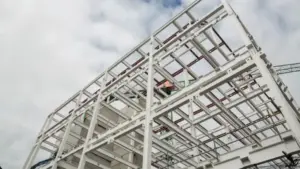
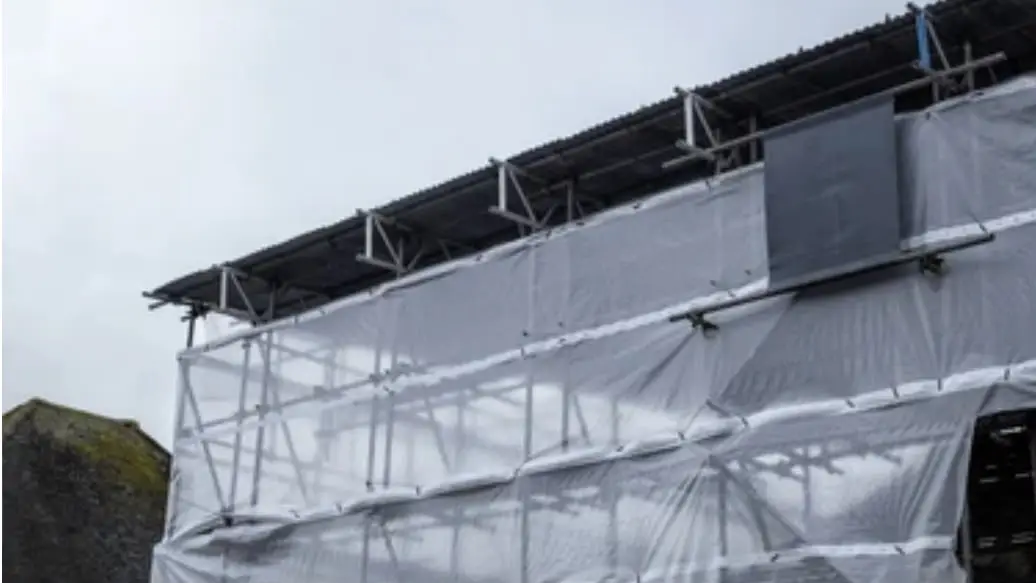
A temporary structure is generally a building, installation or structure intended to remain in place for a limited period rather than permanently. Temporary structures are often designed to be portable, modular, demountable or easy to remove once their purpose has been fulfilled.
Examples may include:
- Temporary event structures and marquees
- Portable offices and site cabins
- Temporary classrooms
- Modular buildings
- Pop-up retail spaces
- Temporary storage buildings
- Exhibition structures
- Temporary healthcare facilities
- Construction site buildings
- Temporary accommodation
- Seasonal structures
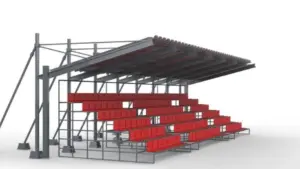
- Temporary sports facilities
Although these structures may be described as temporary, this does not automatically mean they are exempt from planning controls.
Planning authorities will normally consider the specific circumstances of the proposal. A structure’s physical appearance, size, location, use and length of time on site may all affect whether planning permission is required.
For example, a small marquee used for a short private event may be treated differently from a large temporary building used as a commercial venue for several months. Similarly, a portable building may still require planning permission if it is placed on land for a significant period or changes the way the land is used.
Do You Need Planning Permission for a Temporary Structure?
Planning permission may be required for a temporary structure, but there is no single rule that applies to every project.
The need for permission will usually depend on the details of the proposal and the planning history of the site. Relevant considerations may include:
The Size and Scale of the Structure
Larger structures are more likely to have an impact on the appearance and use of a site. The local planning authority may assess the structure’s footprint, height, volume and relationship with neighbouring properties.
A substantial temporary building may have similar visual and practical effects to a permanent building. Even where it can be dismantled or moved, its size may still make planning permission necessary.
The Length of Time It Will Remain in Place
The intended duration is an important consideration when planning for a temporary structure.
A structure used for a short event may be assessed differently from one that remains on site for several months or years. However, there is no universal rule that all structures below a particular time period are automatically exempt.
Planning requirements can also depend on the type of structure, its use and the location of the site. It is therefore important to seek advice based on the details of your individual proposal.
The Purpose of the Structure
The intended use can be just as important as the structure itself.
For example, a temporary structure used as a storage area may be treated differently from one used as a café, classroom, office, residential accommodation or public event venue.
Where a temporary structure introduces a new use of land, planning permission may be required even if the structure itself is movable or lightweight.
The Location of the Site
Planning restrictions may be more sensitive in certain locations, including:
- Conservation areas
- National Parks
- Areas of Outstanding Natural Beauty
- Green Belt land
- Listed building settings
- Areas with significant heritage value
- Sites close to neighbouring properties
Temporary structures in these locations may require more detailed consideration because of their potential effect on character, heritage, landscape or visual amenity.
The Impact on Neighbours and the Local Area
Local planning authorities may consider whether the proposal could result in:
- Loss of privacy
- Overshadowing
- Increased noise
- Traffic or parking problems
- Visual impact
- Reduced access
- Increased activity on the site
- Disturbance to neighbouring properties
Even a temporary structure may require planning approval where its use or physical presence creates a significant impact on the surrounding area.
Planning for a Temporary Structure: Key Considerations
Successful planning begins before the structure is ordered, delivered or installed.
A professional assessment can help identify potential planning issues at an early stage and reduce the risk of costly changes later. The following factors should be considered when preparing a temporary structure proposal.
1. Establish the Proposed Use
Clearly defining the purpose of the structure is essential.
You should consider:
- What will the structure be used for?
- Who will use it?
- Will it be open to the public?
- Will the use create additional traffic or parking demand?
- Will the structure operate during specific hours?
- Will the use be temporary, seasonal or ongoing?
The proposed use may affect whether planning permission is required and what information should be included in a planning application.
2. Consider the Proposed Duration
You should establish how long the structure is expected to remain on site.
A temporary structure may be required for a one-day event, a construction project, a seasonal business or a longer-term operational need. The proposed duration should be clearly explained as part of the planning strategy.
Where appropriate, a planning authority may grant permission for a limited period. Temporary planning permission can allow a development to operate for a defined time while enabling the authority to review its impact.
3. Review the Site and Its Planning History
The planning history of a property may affect what can be installed or developed.
Existing planning permissions may include conditions that restrict the use of land or limit additional structures. Previous applications may also provide useful information about issues that have already been considered by the local planning authority.
Planning Build can provide feasibility advice and planning strategy to help assess the potential of a site before significant investment is made.
4. Assess Access, Parking and Site Operations
Temporary structures can affect how a site functions.
For commercial, educational and public-facing projects, planning considerations may include vehicle access, pedestrian routes, servicing arrangements and parking provision.
The planning authority may also assess whether the proposal could create congestion or affect road safety.
5. Consider Design and Visual Impact
Although a structure is temporary, its design can still affect the appearance of the site and surrounding area.
The planning authority may consider the following:
- Materials and external finishes
- Height and overall scale
- Position on the site
- Relationship with existing buildings
- Visibility from public areas
- Impact on the character of the area
Professional architectural design support can help ensure that a temporary structure is presented clearly and appropriately within the planning application.
Temporary Planning Permission Explained
Temporary planning permission is planning permission granted for a limited period rather than permanently.
This approach may be used where the local planning authority considers that a proposal is acceptable for a specific time but wishes to review its effects before allowing a longer-term development.
A temporary permission may include a condition requiring the structure to be removed and the land restored once the approved period ends.
Temporary planning permission can be useful for:
- Pop-up businesses
- Temporary event venues
- Construction-related buildings
- Short-term community facilities
- Trial commercial uses
- Temporary educational buildings
- Interim development projects
However, temporary planning permission is not guaranteed. The planning authority will still assess the proposal against relevant national and local planning policies.
The fact that a structure is intended to be removed does not necessarily outweigh concerns about its location, design, use or impact on neighbours.
Planning Permission and Building Regulations: What Is the Difference?
Planning permission and building regulations are separate systems, and a project may need to comply with one or both.
Planning permission is mainly concerned with whether a development is appropriate for a particular location. It may consider:
- Land use
- Design and appearance
- Impact on neighbouring properties
- Traffic and access
- Environmental effects
- Local planning policies
Building regulations focus on how a building or structure is designed and constructed. They may address:
- Structural safety
- Fire safety
- Energy efficiency
- Ventilation
- Accessibility
- Drainage
- Electrical safety
A temporary structure may require planning permission but have different building regulation requirements depending on its design, use and intended duration.
For example, a temporary building used by the public may require careful consideration of fire safety, accessibility and structural performance.
Planning Build can support projects with building regulation compliance alongside planning and design services.
How to Apply for Planning Permission for a Temporary Structure
If planning permission is required, the application should provide the local planning authority with sufficient information to assess the proposal.
The required documents will depend on the scale and nature of the project but may include:
- Completed planning application forms
- Site location plan
- Block or site plan
- Existing and proposed drawings
- Elevations and floor plans
- Design and access information
- Planning statement
- Supporting technical reports
- Photographs of the site
- Information about the proposed duration and use
The application should clearly explain why the structure is needed, how long it will remain in place and how the site will be managed.
Planning Build provides support with planning applications and can help prepare, coordinate and submit the information required for a well-presented proposal.
Common Mistakes When Planning for a Temporary Structure
Several issues can cause unnecessary delays or increase the risk of a planning application being refused.
Assuming “Temporary” Means Permission Is Not Required
This is one of the most common misunderstandings.
A removable structure may still require planning permission depending on its size, use, location and duration.
Installing the Structure Before Checking Planning Requirements
Installing a structure before obtaining the necessary approval can create significant risks.
If planning permission is later refused, the owner may be required to remove the structure or restore the site. This can result in additional costs and operational disruption.
Failing to Consider the Use of the Land
Planning requirements may relate not only to the structure but also to how the land will be used.
A temporary building that introduces a new commercial, educational, residential or public use may require planning consideration.
Submitting Incomplete or Unclear Information
Poor-quality drawings or insufficient information can delay the application.
The planning authority needs to understand the scale, location, design and intended use of the proposal. Clear professional documentation can improve the quality of the submission.
Ignoring Local Planning Policies
Local planning policies may contain specific guidance relating to design, heritage, landscape, transport and land use.
A proposal should be assessed against the relevant policies before the application is submitted.
How Planning Build Can Help
Planning for a temporary structure involves more than selecting a suitable building or installation.
A successful project may require early feasibility advice, planning strategy, architectural drawings, application preparation and technical coordination.
Planning Build offers a comprehensive range of services to support projects from the initial concept through to planning and construction.
Our services include:
- Planning permission advice
- Planning application support
- Feasibility advice and planning strategy
- Architectural design
- Building regulation compliance
- Planning appeal support
By considering planning requirements early, you can make more informed decisions and reduce the risk of unexpected issues after installation.
Whether you are planning a temporary office, event structure, modular building, temporary classroom, storage facility or pop-up commercial space, our team can help you understand the planning process and prepare an appropriate strategy.
Frequently Asked Questions
Do all temporary structures need planning permission?
No. Planning requirements depend on the individual proposal. Factors such as the structure’s size, use, location, duration and impact on the surrounding area may all be relevant.
How long can a temporary structure remain without planning permission?
There is no single time limit that automatically applies to every temporary structure. The rules depend on the type of development, the use of the land and the circumstances of the site.
Professional planning advice should be obtained before relying on a general time limit.
Can a portable building require planning permission?
Yes. A portable or movable building may require planning permission if it is used as part of a development, remains on site for an extended period or changes the use of the land.
Can temporary planning permission become permanent?
A temporary planning permission does not automatically become permanent.
A new application may be required if the structure or use is intended to continue beyond the approved period. The local planning authority may reassess the proposal based on its impact and relevant planning policies.
Do temporary event structures require planning permission?
Some temporary event structures may require planning permission, while others may be covered by different planning provisions or permitted development rights.
The answer will depend on the nature of the event, the structure, the location and the duration of the use.
Can Planning Build help before a planning application is submitted?
Yes. Planning Build can provide early feasibility advice and planning strategy to help identify potential issues before a full application is prepared.
Get Professional Advice Before Installing a Temporary Structure
Planning for a temporary structure should begin with a clear understanding of the site, proposed use, duration and potential planning requirements.
Although temporary structures can provide flexibility and cost savings, they are not automatically exempt from planning controls. Seeking professional advice before installation can help you avoid delays, enforcement action and unnecessary costs.
If you are considering a temporary building, modular structure, event installation, portable office or short-term development, Planning Build can help you assess the proposal and prepare the necessary planning documentation.
Visit our services page to explore how we can support your project, or contact Planning Build to discuss your temporary structure proposal with our team.