The planning permission process is the series of steps involved in establishing whether a development requires planning permission, preparing an application, submitting it to the local planning authority and obtaining a decision.
Whether you are planning a house extension, a new building, a change of use or a larger development, understanding the process before you begin can help you make better decisions about your project.
The process can vary depending on the type, scale and location of the development. Some projects may benefit from permitted development rights, while others require a formal planning application.
This guide explains the main stages of the planning permission process in England and what to expect at each stage.
1. Establish Whether Planning Permission Is Required
The first step is to determine whether your proposed development actually needs planning permission.
Planning permission is generally required for development, but certain projects may be permitted under permitted development rights, subject to specific conditions and limitations.
You may need planning permission for projects such as:
- Building a new property
- Constructing an extension
- Converting or substantially altering a building
- Changing the use of land or a building
- Developing previously undeveloped land
- Carrying out certain commercial or residential developments
The planning position depends on the specific proposal, the existing use of the property or land, its location and any restrictions that apply.
Before investing in detailed designs or preparing an application, it is therefore sensible to establish the planning position. Our planning permission advice service can help you understand whether permission may be required and what options could be available.
2. Assess the Site and Planning Constraints
Once it is established that planning permission may be required, the next stage is to understand the site.
A development proposal is assessed in its planning context rather than in isolation. Relevant considerations can include local planning policies, the character of the surrounding area, access, highways, heritage, ecology, trees, flood risk and other site-specific constraints.
Previous planning decisions relating to the property or nearby sites may also provide useful context.
This stage is important because identifying constraints early can influence the design and planning strategy before significant time and money are committed.
For larger or more complex projects, a feasibility assessment and planning strategy can help establish what may be achievable and identify potential planning issues at an early stage.
3. Choose the Appropriate Planning Route
Not every planning proposal follows exactly the same route.
Depending on the circumstances, you may need a householder planning application, full planning application, outline planning application or another form of consent.
For example, a householder planning application is generally used for certain works to an existing home, while an outline planning application can be used to establish whether development is acceptable in principle before some details are considered later.
A full planning application provides detailed information about the proposed development for the local planning authority to assess.
Choosing the right application route is important because submitting the wrong type of application can create unnecessary work, costs or delays.
4. Develop the Proposal
After establishing the planning position and appropriate application route, the proposal itself can be developed.
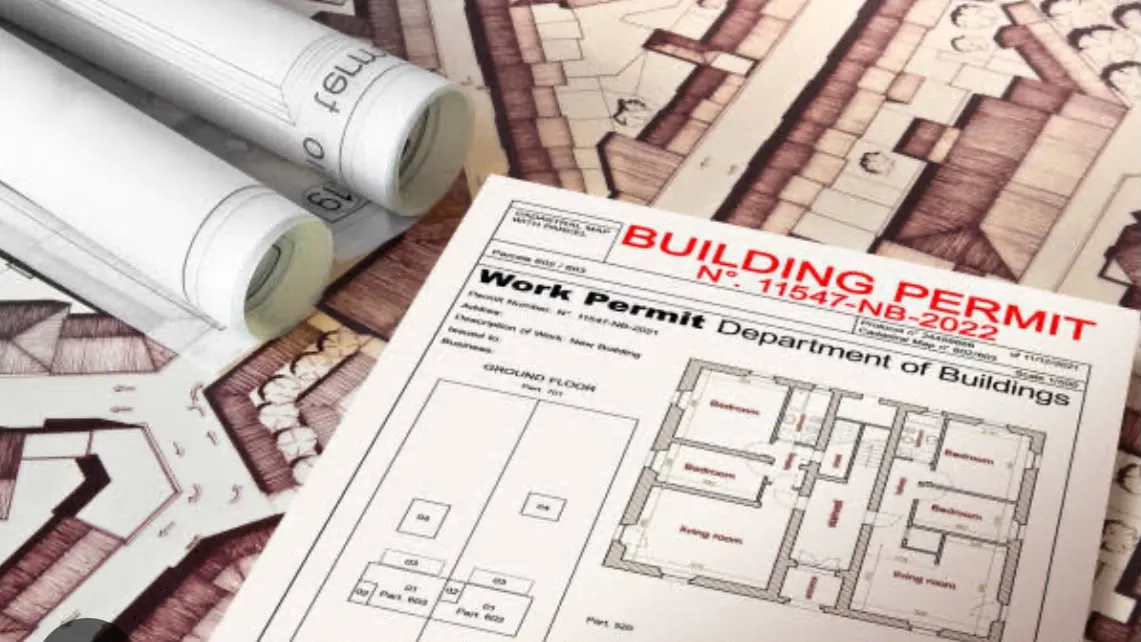
For building projects, this may involve working with an architect or designer to prepare drawings showing the existing property and proposed development.
Depending on the project, you may need:
- Existing and proposed floor plans
- Elevations
- Site plans
- Location plans
- Design information
- Access information
- Landscaping details
- Planning statements
- Supporting technical reports
The design should respond to the planning context rather than being developed separately and assessed against planning policy afterwards.
Planning Build also provides architectural design services where design support is required as part of the wider development process.
5. Prepare the Planning Application
Once the proposal has been developed, the planning application can be prepared.
The exact information required will depend on the application type and the nature of the development. An application may include forms, plans, drawings, ownership information, design information and supporting documents.
More complex developments may require specialist information relating to matters such as transport, drainage, ecology, flood risk, heritage or highways.
The objective is not to submit unnecessary information, but to provide the information required for the local planning authority to properly understand and assess the proposal.
Incomplete applications can create problems at the validation stage, so checking the requirements before submission is an important part of the planning permission process.
6. Submit and Validate the Application
The completed application is submitted to the relevant local planning authority.
The authority then checks whether the application contains the information required for it to be treated as valid. This is known as the validation stage.
Validation is an important distinction in the planning process. The formal determination period generally runs once the application has been validated, rather than simply from the point at which an incomplete application is first submitted.
If information is missing or requirements have not been met, the applicant may be asked to provide additional information before the application can proceed.
Getting the application prepared correctly from the outset can therefore help avoid unnecessary delays.
7. Consultation and Publicity
Once a planning application has been validated, the local planning authority normally publicises the proposal and consults relevant parties.
This can include neighbouring residents, community groups and statutory consultees, depending on the type and circumstances of the application.
The formal consultation period will normally last for 21 days, although requirements can vary depending on the proposal.
Members of the public may submit comments supporting or objecting to a proposal.
However, planning decisions are not simply a vote based on the number of objections or letters of support. The local planning authority considers relevant planning matters and assesses the proposal against the development plan and other material considerations.
8. Assessment by the Local Planning Authority
After consultation, the planning authority assesses the application.
Planning officers may consider matters such as:
- The principle of development
- The size, scale and design of the proposal
- The effect on neighbouring properties
- Access and highways
- The character of the surrounding area
- Landscaping
- Environmental considerations
- Relevant planning policies
- Representations received during consultation
The exact considerations will depend on the proposal and site.
The local planning authority will generally determine the application in accordance with the development plan unless material considerations indicate otherwise.
In some cases, the applicant may also be asked to provide clarification, amend details or address specific concerns during the application process.
9. Planning Decision
Once the assessment has been completed, the application will be determined.
Smaller applications may often be decided by planning officers under delegated powers, while larger or more contentious applications may be considered by a planning committee.
The decision may be to:
- Grant planning permission
- Grant permission subject to conditions
- Refuse planning permission
In England, the statutory decision period is generally eight weeks for applications for non-major development and 13 weeks for major development. Applications requiring an Environmental Impact Assessment generally have a 16-week statutory period, unless a longer period is agreed in writing.
These are decision periods rather than a guarantee that every application will be completed within exactly that timeframe.
For more information about timing, see our guide to how long a planning application takes.
10. Review the Decision and Any Conditions
If planning permission is granted, the decision notice should be reviewed carefully.
Permission may be subject to planning conditions covering matters such as materials, landscaping, access, drainage or other details that need to be dealt with before or during development.
Some conditions may need to be discharged before particular aspects of the development can proceed.
Planning permission should also not be confused with Building Regulations approval. Planning permission considers whether a development is acceptable in planning terms, while Building Regulations deal with technical construction requirements.
Depending on the project, you may therefore need both planning permission and Building Regulations compliance.
What Happens If Planning Permission Is Refused?
A refusal does not necessarily mean that the development cannot go ahead.
The decision notice should explain the reasons for refusal. These reasons can help determine the most appropriate next step.
Depending on the circumstances, you may be able to:
- Amend the proposal
- Address the reasons for refusal
- Submit a new planning application
- Seek further planning advice
- Appeal the decision
An appeal may also be possible where the local planning authority has failed to determine an application within the relevant period. GOV.UK confirms that applicants can appeal against certain refusals, unacceptable conditions or non-determination.
Planning Build can provide planning appeal support where an appeal is appropriate.
How Planning Build Can Support the Planning Permission Process
The planning permission process involves more than completing an application form. The right approach can depend on the development, site, planning history, local policies and supporting information required.
Planning Build can support you through different stages, including:
- Initial planning advice
- Development feasibility and planning strategy
- Planning application preparation
- Architectural design
- Supporting documentation
- Application submission
- Planning application support
- Advice on planning conditions
- Planning appeals
Professional support can help you identify planning considerations before submitting an application and ensure that your proposal is presented clearly.
Start Your Planning Permission Process
Every development is different, so there is no single approach that works for every planning application.
Before committing to a particular design or submitting an application, it is worth understanding whether planning permission is required, which application route is appropriate and what information will be needed.
Planning Build can help you assess your proposal, understand the planning position and progress your application from initial advice through to submission and, where required, support after the decision.
If you are planning a development and need help understanding the planning permission process, contact Planning Build to discuss your project.