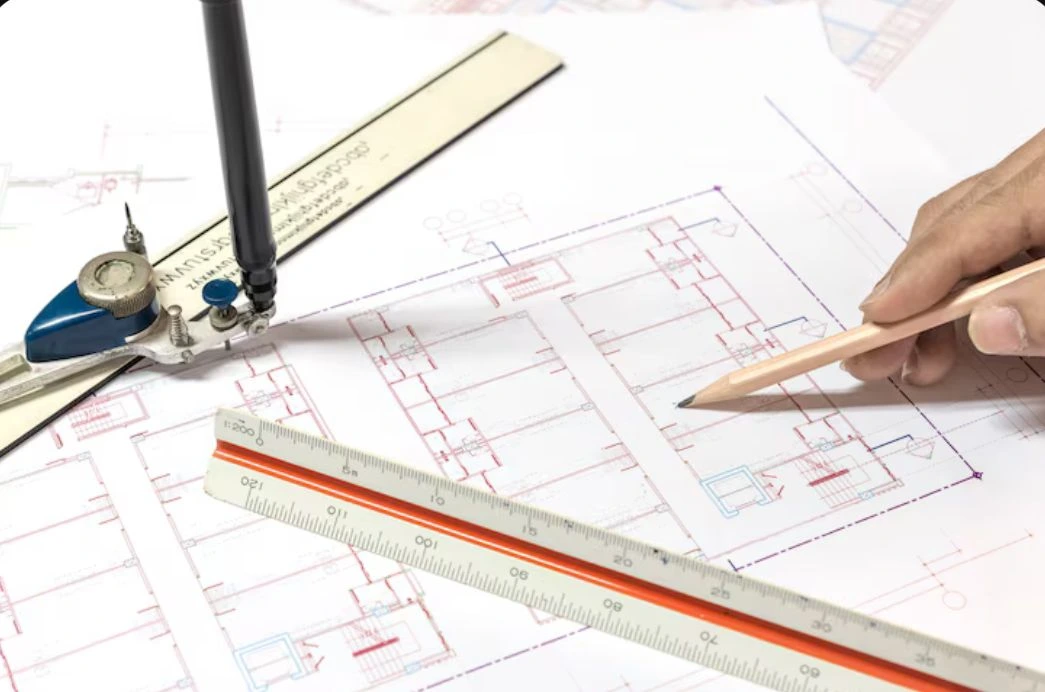
Introduction to Architectural Plans for Planning Permission in the UK
Gaining planning permission is a crucial step in the process of developing or modifying any property in the United Kingdom. Whether you are planning a home extension, a new build, or significant changes to an existing structure, one of the fundamental requirements set out by local planning authorities is the submission of comprehensive architectural plans. These plans form the backbone of your planning application, providing the essential details needed for the authorities to assess whether your proposed project complies with national and local regulations. In this article, we will explore the intricate relationship between architectural plans and planning permission in the UK, outlining what is required, why it matters, and how you can ensure your submission stands the best chance of success.
What Are Architectural Plans?
Architectural plans are detailed technical drawings that illustrate the proposed layout, structure, and physical characteristics of a building project. They include everything from floor plans, elevations, and sections to site plans, indicating how the project will sit within its context. These documents are far more than just blueprints; they serve as a visual communication tool that bridges the gap between your ideas and the requirements set forth by planning authorities. Well-prepared architectural plans ensure that everyone involved in the project, from architects and builders to council planners and neighbours, understands exactly what is being proposed.
Architectural plans must be accurate, clear, and comprehensive. In most instances, they are created to scale by qualified professionals and may include not only design details but also notes on materials, measurements, building regulations compliance, and environmental impact. Each element of the plans supports the planning authority’s decision-making process, helping to prevent misunderstandings that could lead to costly delays or refusals.
Why Are Architectural Plans Necessary for Planning Permission?
When seeking planning permission in the UK, the local authority is legally obligated to assess the impact your project will have on its surroundings. They consider a variety of factors: how the structure fits within the landscape, conforms to local aesthetics, affects neighbouring properties, and complies with safety and environmental standards. Only through detailed architectural plans can decision-makers accurately evaluate these aspects.
In short, architectural plans provide clarity. They offer a snapshot of your intentions—eliminating guesswork and providing confidence that the proposed build is viable, beneficial, and compliant. In many cases, incomplete or inaccurate plans are a common cause for planning applications to be refused or delayed, making it vital to invest time and expertise in this foundational stage.
Legal Framework and National Guidelines
The requirement for submitting architectural plans for planning permission in the UK is rooted in several legislative frameworks, including the Town and Country Planning Act 1990 and subsequent updates. National planning policy, such as the National Planning Policy Framework (NPPF), guides how decisions are made, while local development plans apply additional layers of detail relevant to specific regions.
Within this context, specific types of drawings are mandatory to complete a full application. These include:
- Location Plan: Shows where your site is situated in relation to nearby streets and geographic features, typically at a scale of 1:1250 or 1:2500.
- Site Plan (Block Plan): Details the development area, boundaries, access points, landscaping, and adjacent properties at a 1:500 or 1:200 scale.
- Existing and Proposed Plans: Floor plans, elevations, and sectional drawings, usually at 1:100 or 1:50 scale, providing side-by-side comparisons of the current and intended states.
- Supporting Information: Depending on the complexity, you may also require Design and Access Statements, flood risk assessments, or additional technical reports.
Who Can Prepare Architectural Plans?
While anyone can technically draw up simple plans, in practice, for most projects requiring planning permission, it is advisable (and sometimes necessary) to enlist the services of qualified professionals. These include architects, architectural technologists, or experienced designers familiar with the requirements of UK planning authorities.
Professional architects are trained to understand local policies, building codes, and best practices, ensuring that your plans are not only visually appealing but also technically compliant. Their expertise can help identify potential obstacles early, streamline the application process, and reduce the likelihood of costly revisions or rejections.
Types of Projects That Require Architectural Plans for Planning Permission
Many different types of development require formal planning consent and, consequently, detailed architectural plans. These include:
- New Builds: Constructing a new dwelling, commercial building, or any major new structure on a piece of land.
- Extensions: Significant alterations or additions to the footprint of existing homes, such as side, rear, or multi-storey extensions.
- Conversions: Changing the use of a building (for example, converting a barn into a house or a house into flats).
- Major Alterations: Large-scale remodelling, such as raising the roof, building dormer windows, or making structural changes to listed properties.
- Commercial Developments: Changes of use, display of advertisements, or erection of new commercial structures.
It is important to note that some smaller projects might be permitted under ‘permitted development rights.’ Even so, architectural plans are often needed to confirm compliance with the specific criteria set out for those works.
What Should Be Included in Architectural Plans for Planning Permission?
The details required in your architectural plans will depend on the nature and scale of your project. However, the following components are broadly expected for most planning applications:
- Location and Site Plans: Clearly identifying the site with north point, scale, boundaries, surrounding roads, access, and adjacent properties.
- Existing and Proposed Floor Plans: Detailing the current and intended layouts, dimensions, and uses of internal spaces.
- Elevations: Drawing all sides of the structure from the exterior, highlighting materials, rooflines, windows, doors, and external finishes.
- Sections: Vertical “cuts” through the building, showing relationships between floors, heights, and construction details.
- Roof Plans: For projects involving alterations to height or roof structure, showing slopes, ridges, and pitches.
- Supporting Documentation: Design and Access Statements, biodiversity statements, heritage assessments, and any required specialist reports.
How to Submit Architectural Plans for Planning Permission in the UK
All planning applications in England, Scotland, Wales, and Northern Ireland can be made online via the Planning Portal (planningportal.co.uk) or directly to your local authority. You will need to register, upload your plans in an accepted digital format (usually PDF), and pay the applicable fees.
When uploading your architectural plans, ensure the following:
- All drawings are to the correct scale and include a scale bar and north orientation where relevant.
- Every drawing or document is clearly labelled, dated, and matches the project address.
- The plans meet the requirements set out by your local authority, which may be stricter than national minimums (always check your council’s submission checklists).
Proper organisation and presentation are key to a smooth application process.
Common Issues and How to Avoid Them
The most frequent reasons for planning permission refusals arise from insufficient, inaccurate, or unclear architectural plans. Typical pitfalls include:
- Missing plans (e.g., no roof or sectional drawings where needed).
- Plans not to scale, or lacking key details like existing and proposed site levels.
- Failure to clearly differentiate between existing and proposed works.
- Overly minimal or hand-drawn plans that don’t meet technical requirements.
- Omitting details on access, bin storage, landscaping, or parking provision.
- Neglecting to consider the impact on neighbours or the surrounding area.
The solution is to work with experienced professionals, use comprehensive checklists, and always seek pre-application advice from your local authority where possible.
The Role of Design and Access Statements
A crucial accompaniment to your architectural plans, particularly for major developments or those within sensitive settings (such as conservation areas or for listed buildings), is a Design and Access Statement. This document explains the rationale behind your design, demonstrating how it integrates with the area, considers access for all users, and responds to local context and policy requirements. A clear, well-written statement can help tip the balance in your favour if the plans themselves raise questions or objections.
Permitted Development and Architectural Plans
In some cases, your project may not require full planning permission due to permitted development rights. However, even where formal approval is not needed, architectural plans are still highly valuable. They help confirm that your proposal complies with permitted development limits and can also be used when applying for a Lawful Development Certificate, which provides official proof that your project is legal under planning law.
Strong Architectural Plans Lead to Faster Approvals
Architectural plans are the foundation of any successful planning application in the UK. They do far more than illustrate your ideas; they demonstrate compliance, reduce ambiguity, and give planning officers the confidence to approve your proposal. From accurate scaling and detailed layouts to clear differentiation between existing and proposed works, well-prepared plans can be the difference between a smooth approval process and costly delays or refusals.
Given the level of detail and precision required, investing in professionally prepared architectural plans is not just advisable; it’s a strategic decision that can save time, money, and stress in the long run. The clearer and more compliant your submission, the stronger your chances of securing planning permission without unnecessary setbacks.
Ready to submit your planning application with confidence? Contact Planning Build today and let us help you turn your ideas into approved plans.