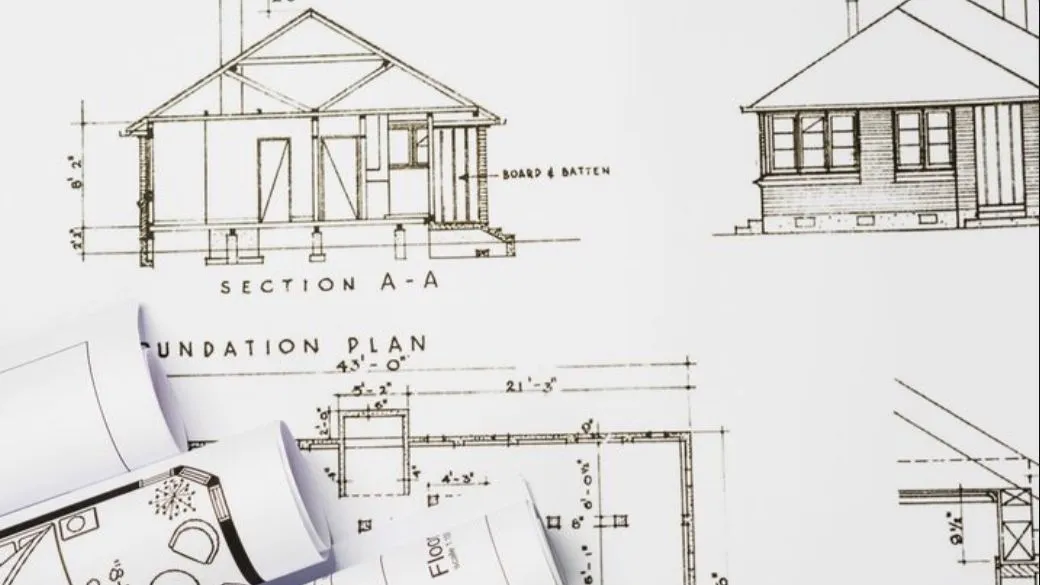
If you’re considering a new construction, extension, or significant alteration project in the United Kingdom, understanding the planning drawings requirements UK is a critical first step. Planning drawings are the bedrock of a successful planning application. They visually communicate your intentions to local planning authorities (LPAs), neighbours, and other stakeholders. Whether you’re a homeowner, architect, builder, or developer, knowing what constitutes compliant planning drawings and how to prepare them properly is essential.
In this comprehensive guide, we will break down the key aspects of planning drawing requirements in the UK. We’ll explore the types of drawings required, the level of detail needed, best practices, and important pitfalls to avoid. By the end of this article, you’ll have an in-depth understanding of how to ensure your planning drawings meet the expectations of UK planning authorities and give your project the best possible chance of approval.
1. What Are Planning Drawings?
Planning drawings are a suite of detailed visual documents that form part of the application submitted to the local planning authority when seeking approval for a proposed development. These drawings illustrate the size, location, appearance, and impact of the proposed development. The aim is to provide all stakeholders, including planning officers, neighbours, and other interested parties, with a clear, precise representation of the project.
Typical planning drawings requirements UK include:
- Site location plans
- Block plans or site plans
- Existing and proposed floor plans
- Existing and proposed elevations
- Section drawings (sometimes required)
- Roof plans (where applicable)
- Supporting documentation and contextual information
2. Why Are Planning Drawings Important?
Complying with planning drawings requirements UK is more than a procedural formality. High-quality, accurate drawings are absolutely crucial for several reasons:
- Transparency: They provide clarity to all parties about what is being proposed.
- Legal Requirement: Local authorities cannot process applications without them.
- Assessment Aid: They enable planning officers and consultees to assess the design against policy, local guidelines, and impact.
- Dispute Minimisation: Clear drawings reduce misunderstandings with neighbours and stakeholders.
- Construction Foundation: Approved drawings form the basis for detailed construction drawings later on.
3. Types of Planning Drawings Required in the UK
Not all projects require the same set of drawings, and requirements can vary slightly between different local authorities. However, there are key types of planning drawings that are commonly mandated:
- Site Location Plan
Description: Shows the general location of the proposal in relation to its surroundings.
Scale: Must usually be at 1:1250 or 1:2500.
Requirements: North arrow, red border denoting application site, blue border for other land owned/controlled by applicant. - Block Plan (or Site Plan)
Description: Indicates the proposal in context with the immediate site and nearby properties.
Scale: Typically 1:500 or 1:200.
Requirements: Footprint of proposed and existing buildings, boundaries, trees, roads, parking, etc. - Existing and Proposed Floor Plans
Description: Floor layouts both before and after development.
Scale: Often 1:100 or 1:50.
Requirements: All floors affected, clear distinction between existing and proposed. - Existing and Proposed Elevations
Description: External views of each building side.
Scale: Typically 1:100 or 1:50.
Requirements: Include adjoining buildings if relevant, and show alterations with clear labelling. - Section Drawings
Description: Cut-through profiles showing internal/external relationships.
Scale: Varied, as required.
Requirements: Useful for multi-storey or sloped sites; may be mandatory for some developments. - Roof Plans
Description: Overhead view of the roof structure.
Scale: As appropriate.
Requirements: Required if roof works are involved.
4. Minimum Technical Requirements for Planning Drawings
Complying with the technical standards is vital in meeting the planning drawings requirements UK. Local authorities require clarity, uniformity, and professionalism. Here are common minimum requirements:
- Drawings must be at the correct scale (and must state the scale clearly).
- Drawings should be annotated with dimensions or enough context to show the scale (external dimensions, wall thickness, and heights).
- Drawings need to include a North arrow and relevant contours or spot heights where the site is sloping.
- Differentiate existing, demolished, and proposed work using varied lines, shading, or colour conventions (refer to LPA preferences where possible).
- Drawings should not be altered by hand once created on the computer/drawn; changes must be properly reflected, and a revised drawing submitted.
- Legend, title, date, revision number, and drawing number must be included.
- Add references, notes, and labelling to clarify materials, finishes, and features as needed.
- Include context, adjacent properties, roads, trees, and landscape features for block and location plans.
5. Electronic and Paper Submission Standards
With the rise of digital submissions, local authorities across the UK now encourage or require planning applications to be submitted electronically via the Planning Portal or similar online systems. Understanding the technical standards for electronic documentation is part of meeting planning drawings requirements UK.
- Format: Most LPAs accept PDF as the primary format for planning drawings; files must not be locked or password-protected.
- Resolution: Ensure all plans are high enough resolution to allow zooming without pixelation, while not exceeding file size limits (usually 5-10 MB per document).
- Black and White vs Colour: Use colour for clarity (e.g., to indicate proposed work), but ensure clarity in black-and-white printouts.
- Paper Submissions: If still required, drawings should be on A3 or A1 paper, folded to A4 for convenience.
6. Mandatory vs Optional Drawings
The planning drawings requirements UK can vary by project type. Generally, the following are considered mandatory:
- Site location plan
- Block plan
- Existing and proposed elevations
- Existing and proposed floor plans
Optional or supplementary drawings include:
- Sections (where necessary for complex sites/levels)
- Roof plans (where external roof work is part of the project)
- Landscaping or planting plans (for larger or sensitive sites)
- Contextual street elevations (for major or visible developments)
It is always advisable to check with your specific LPA’s Validation Checklist, which details their chosen requirements for the planning application process. Every LPA publishes such guidance, and it should be reviewed before final submission.
7. Who Can Prepare Planning Drawings?
While there’s no legal restriction on who may prepare the drawings for submission, most successful planning applications in the UK are supported by professionally prepared documents. Engaging architects, architectural technologists, or experienced planning consultants ensures the drawings will adhere to all standards, use the proper conventions, and communicate the proposal effectively.
Get Your Planning Drawings Right the First Time
Meeting the planning drawings requirements UK is a fundamental step in securing planning permission and moving your project forward without delays. Clear, accurate, and policy-compliant drawings not only help planning officers understand your proposal but also reduce the risk of objections, invalid applications, or refusals. From correct scaling and detailed annotations to including all mandatory plans, every element plays a role in the success of your submission.
While it may be tempting to handle drawings independently, even small errors or omissions can lead to costly setbacks. That’s why working with experienced professionals can make a significant difference, ensuring your drawings meet local authority standards and present your project in the best possible light.
At Planning Build, we specialise in preparing high-quality planning drawings and managing the entire application process from start to finish. Whether you’re planning a home extension, conversion, or new development, our expert team is here to help you submit with confidence and achieve approval faster.
Need compliant planning drawings for your project? Contact Planning Build today, and let’s turn your vision into an approved reality.