In the United Kingdom, the trend towards creating private driveways and off-street parking continues to grow. Many homeowners see the value in adding convenience and value to their property by installing a driveway. One vital aspect frequently overlooked in this process is the need for a dropped kerb. Securing a dropped kerb not only allows for legal and practical vehicle access over the pavement, but it’s also a matter of local authority compliance. This extensive guide delves into all you need to know about dropped kerb planning permission UK, covering eligibility, application processes, regulations, costs, and tips for a smooth approval.
What is a Dropped Kerb?
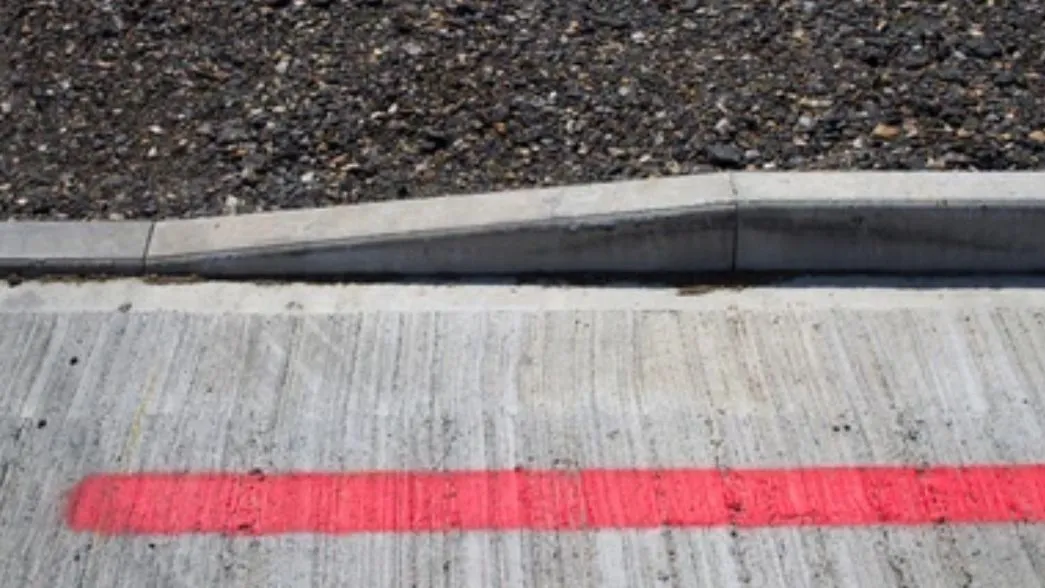
A dropped kerb, sometimes referred to as a vehicle crossover, is a section of the pavement where the height of the curb is lowered to allow vehicles to cross from the road onto a property, usually for accessing a driveway. Without a dropped kerb, driving over the standard kerb is illegal and can cause damage to both the kerb and the pavement, potentially resulting in fines or repair costs from the council. Installing a dropped kerb ensures legal and safe access to your property, safeguarding both pedestrians and local infrastructure.
Why Do You Need Planning Permission for a Dropped Kerb?
In the UK, planning permission is often required for a dropped kerb to balance private interests with public safety and infrastructure protection. Dropped kerbs alter the footway and sometimes affect parking, utilities, road drainage, and pedestrian safety. Local councils oversee applications to ensure that such changes do not negatively impact local amenities, road users, and the environment. Ignoring the necessity for planning permission can result in removal or reversal of the kerb at your expense, enforcement action, or fines.
Types of Dropped Kerb Planning Permission: Residential vs. Commercial
There are two main types of dropped kerb planning permission UK:
- Residential Dropped Kerb: Applies to individual homeowners wanting access to private driveways. This typically involves single-family homes or small residential blocks.
- Commercial Dropped Kerb: Needed by businesses, schools, commercial buildings, or developments serving several units. These applications are often more complex, with stricter safety and infrastructure considerations.
Understanding Permitted Development Rights
Permitted development rights mean certain building or renovation works can be performed without applying for full planning permission. In England, for single-family homes, creating a driveway using porous materials or permeable paving may not require planning permission. However, the dropped kerb itself always requires consent from the local council, regardless of surface permeability. Wales, Scotland, and Northern Ireland may have different rules, so always check with your local authority.
When is Dropped Kerb Planning Permission Required?
Most councils require planning permission if:
- The building is a listed property or in a conservation area.
- The road is classified (A, B, or C road).
- The property is a flat, maisonette, or commercial building.
- The new access might affect local parking, trees, highway safety, or visibility for drivers and pedestrians.
- Any alterations involve removal or disturbance of protected features such as trees, listed walls, or involve drainage to the highway.
If you are in doubt, always contact your local planning department for specific guidance.
The Application Process: Step-by-Step Guide
Applying for dropped kerb planning permission UK involves several stages:
- Pre-Application Assessment: Check local authority guidelines; many offer an online tool to determine eligibility. Some councils carry out site visits (sometimes for a nominal fee or refundable charge) to assess suitability.
- Submit a Planning Application: If required, submit detailed plans of your proposal. Include measurements, photographs, and drawings. An application fee is required; this varies by council.
- Highways Approval: Separately from planning permission, approval is always required from the Highways Department. They check for things like crossing utilities, sightlines, road markings, and traffic flow.
- Public Consultation: In some cases, neighbours are consulted to ensure no adverse impacts are expected.
- Decision: The council considers your application against planning policies, highway safety, parking pressure, and environmental factors. Most decisions are made within eight weeks, but may take longer for more complex cases.
- Appointment of Approved Contractors: If approved, you must appoint an approved contractor—many authorities maintain an approved list due to the specialist nature and safety risks involved.
- Installation: Once work is scheduled and carried out, the local authority or highways department will usually inspect the completed crossover for compliance.
Eligibility and Suitability Criteria
Key eligibility factors for a dropped kerb include:
- Minimum Driveway Length: A standard requirement is at least 4.8m from the property to the back edge of the footpath, preventing an overhanging vehicle.
- Minimum Width: Crossovers typically require a width of at least 2.4–3.6m, often tailored per property and council policy.
- Visibility and Safety: Adequate sightlines must exist; driveways near corners, junctions, or busy pedestrian crossings may face restrictions or additional requirements.
- Impact on Utilities: Built-over underground services like water/gas pipes might need relocation at the homeowner’s expense or result in refused permission.
- No Obstruction: The new crossover must not obstruct street furniture, bins, fire hydrants, bus stops, or street trees. Sometimes, associated relocation is permitted (charges likely apply).
Meeting Local and National Policy Requirements
Each local authority interprets national highways and planning policy differently. The key national standards come from:
- Manual for Streets (Department for Transport)
- Highways Act 1980
- Town and Country Planning Act 1990
Your local highways and planning department will have an adopted dropped kerb or vehicular access policy, with specific requirements on drainage, surface treatment, environmental protection, and other technical factors. You may need to consider:
- Ensuring surface run-off water is managed and does not flow onto the public highway.
- Making arrangements for discharging rainwater within your property boundaries.
- Adhering to rules governing how many crossovers can be provided per length of street.
Costs Involved with Dropped Kerb Planning Permission UK
The cost of dropped kerb planning permission UK varies by location, driveway size, and complexity:
- Pre-application and inspection fee: £50–£200 (may be deducted from total cost or charged separately)
- Planning permission fee: Typically £200–£250 (if required)
- Construction and installation: £800–£2,500+ depends on the number of kerb stones, width, and pavement type (tarmac, concrete, etc.)
Further, charges can arise if the work requires altering utilities or moving street furniture, increasing costs significantly. Always obtain a clear quote and confirm what is included.
Choosing an Approved Contractor
Only contractors specifically approved by your local council can undertake the dropped kerb installation, due to stringent safety and technical standards. Approved contractors will:
- Hold the necessary insurance and permits
- Understand traffic management required for public highways
- Provide guarantees and adhere to local specifications
Using unapproved contractors is likely to result in rejected installations and further expenses for rectification.
Addressing Objections and Common Reasons for Refusal
Dropped kerb planning permission UK can be refused for various reasons, including:
- Inadequate sightlines for vehicles or pedestrians, pose safety risks
- Impact on street trees and protected features
- Insufficient driveway length or width, causing vehicles to overhang the pavement or carriageway
- Potential conflict with existing parking controls, bus stops, or traffic flows
- Obstruction to utility services or street furniture
- Exacerbating flood risk by removing permeable surfaces
If your application is refused, councils often provide reasons and may suggest modifications for a possible re-application. Appeals can sometimes be made, following the statutory planning process.
Secure Your Dropped Kerb Approval Without Delays
Navigating dropped kerb planning permission UK can be more complex than many homeowners expect. From planning requirements and highway approvals to safety checks and technical criteria, even small oversights can lead to refusals, delays, or added costs.
By understanding the rules early and preparing a compliant application, you can avoid setbacks and ensure your driveway access is approved and built to standard. However, coordinating applications, drawings, and council requirements can quickly become time-consuming without the right expertise.
At Planning Build, we help homeowners handle the entire process from initial feasibility checks and planning applications to liaising with local authorities and ensuring full compliance with regulations.
Planning a dropped kerb? Contact Planning Build today for expert support and a smooth, stress-free approval process from start to finish.