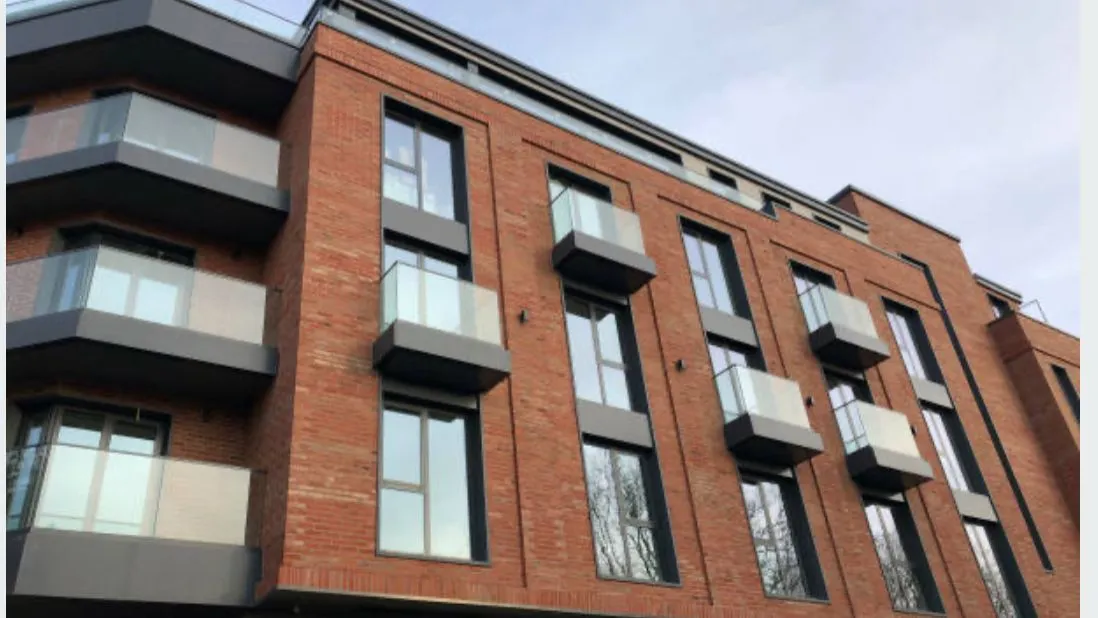
Converting an existing property into flats is an increasingly popular way to maximise ROI and meet the housing demand in Manchester. However, navigating the flat conversion planning permission process in Manchester can be daunting for even seasoned developers. In this article, we provide a comprehensive guide on obtaining flat conversion planning permission Manchester, highlighting local regulations, application processes, typical challenges, and best practices for a successful outcome.
Understanding Flat Conversion Planning Permission
Flat conversion planning permission refers to the official approval required from the local planning authority to convert a single dwelling, such as a house, or a non-residential building (like offices, retail units, etc.) into multiple self-contained flats. The process in Manchester involves compliance with both national legislation and local planning policies, taking into account the impact on neighbourhood character, parking, amenity, and infrastructure.
Why is Planning Permission Required?
Not every conversion needs express planning consent; some fall under permitted development rights. However, for most flat conversions in Manchester, permission is needed due to:
- Material Change of Use: Changing from a single home (C3 use) or commercial space (e.g., offices, shops) to multiple flats constitutes a material change of use.
- Physical Alterations: Conversions often involve structural work, extensions, or changes to the external appearance.
- Area-Specific Restrictions: In designated areas or conservation zones, Manchester City Council may restrict permitted development rights.
Failing to secure permission may result in enforcement action, financial penalties, and difficulty selling or mortgaging the property.
The Planning Build Approach in Manchester
At Planning Build, we specialise in assisting clients through the flat conversion planning permission Manchester process. Our expertise ensures projects are designed, submitted, and managed to the planning authority’s standards. We consult on:
- Pre-Application Planning Advice: Scoping out the feasibility of your project with the Manchester City Council and local planning policies.
- Design Solutions: Creating plans that meet Building Regulations, amenity space, and parking standards.
- Documentation: Including detailed drawings, Design and Access Statements, Heritage Statements (if relevant), and more.
- Negotiation and Representation: Handling queries from planning officers, neighbours, and statutory consultees.
Key Planning Considerations for Flat Conversions
Manchester’s diverse neighbourhoods, from heritage areas like Didsbury and Chorlton to city centre locations, mean that flat conversion planning rules can vary. Key factors considered by the local authority include:
- Housing Need: Manchester City Council’s housing strategy encourages increased density, especially in high-demand areas. However, this must be balanced against the supply of family-sized dwellings and protection of community character.
- Amenity Standards: Each flat must provide adequate internal living space, natural light, ventilation, and privacy. Nationally Described Space Standards (NDSS) are usually required.
- No Over-Development: Applications that result in cramped living conditions, loss of family homes, or excessive parking pressure will likely be refused.
- Parking and Traffic: Conversion schemes must address parking provision. City centre schemes may require less parking due to public transport accessibility, but suburbs may demand off-street parking for each flat.
- Neighbour Impact: Overlooking, overshadowing, and noise transmission are major concerns. Sound insulation, privacy screens, and suitable entrance locations are vital.
- Design and Conservation: In conservation areas or listed buildings, aesthetic changes are strictly controlled. Compatibility with the existing building and streetscape is essential.
The Different Types of Buildings Suitable for Flat Conversion
Most flat conversions in Manchester involve one of the following types of buildings:
- Large Victorian and Edwardian Houses: These properties, often found in areas like Whalley Range, Withington, and Rusholme, are particularly suited for conversion due to their size and flexible layouts.
- Commercial Premises: Shop, office, and pub conversions are common, especially as high street usage changes.
- Other Residential Properties: Bungalows, semi-detached houses, and smaller townhouses can also be considered, though they may face tighter planning scrutiny.
Each type poses unique opportunities and challenges with respect to planning policy, construction methods, and financial viability.
Manchester City Council’s Local Planning Policies
The Council’s Core Strategy and Residential Quality Guidance are key references when considering flat conversion planning permission Manchester. Policy highlights include:
- Location Preferences: Conversions are favoured in accessible locations close to jobs, transport, and services. Some areas are subject to Article 4 Directions, restricting changes of use.
- Minimum Space Standards: The Council enforces NDSS metrics, e.g., a one-bed flat should be at least 37 square metres (with a shower), rising with the number of bedrooms and occupancy.
- Amenity Space: Outside, private, or shared amenity space is a regular requirement, especially for family dwellings.
- Refuse Storage: Secure, accessible waste facilities must be included in the design.
It’s crucial to review these policies before submitting any planning application, ensuring your scheme aligns with local expectations.
The Planning Application Process for Flat Conversions
Securing flat conversion planning permission in Manchester involves several steps:
- Feasibility Study & Pre-Application Advice: Assess the suitability of your property and consult with a planning officer if necessary.
- Prepare Application Documents: Including detailed architectural plans, Design and Access Statement, flood risk assessment (if required), and noise impact assessment.
- Submit the Application: Most applications are submitted online via the Planning Portal. The statutory fee for change of use applies.
- Consultation Period: There is a 21-day period for consultees (neighbours, highways, heritage officers, etc.) to comment.
- Planning Decision: The Council typically decides within 8-13 weeks, depending on the complexity.
- Discharge of Conditions: If approved, certain conditions must be addressed before starting work. These may relate to materials, landscaping, noise attenuation, or parking layouts.
Common Reasons for Refusal of Flat Conversion Applications
Many applications for flat conversion planning permission Manchester are refused on the following grounds:
- Loss of Family Housing: When conversions reduce the supply of larger homes, especially in areas with limited options for families.
- Substandard Accommodation: Dwellings that fail to meet minimum space, light, or amenity requirements.
- Lack of Parking Provision: Inadequate provision for resident and visitor parking.
- Negative Impact on Area Character: Schemes with poor design or that increase occupancy densities out of keeping with the street.
- Neighbour Objections: Material planning objections (such as noise, traffic, privacy, and overshadowing) are taken seriously.
Addressing these risks at the design and documentation stage will significantly improve the chance of approval.
Permitted Development Rights and Prior Approval
In some cases, you may not need full planning permission. Current permitted development (PD) rights allow certain office and retail-to-residential conversions under prior approval. However, PD rights are subject to conditions, such as minimum space standard compliance, flood risk, and impact on the transport network.
Note: Manchester City Council has applied “Article 4 Directions” in many central and suburban wards, removing PD rights for converting single homes to small HMOs (houses in multiple occupation). Check with Planning Build or the Council’s website for your property’s status.
Unlocking Successful Flat Conversion Projects in Manchester
Securing flat conversion planning permission in Manchester is about more than simply dividing a property into multiple units it’s about creating compliant, high-quality homes that meet local housing demand while satisfying Manchester City Council’s planning priorities. From understanding material change of use and space standards to navigating parking requirements, conservation restrictions, and neighbourhood considerations, every successful conversion depends on strategic planning from the outset.
Whether you’re transforming a Victorian house, repurposing commercial premises, or optimising an underused property portfolio, expert planning guidance can help you avoid costly refusals, delays, and design mistakes. With the right approach, your flat conversion can become a profitable investment while contributing positively to Manchester’s evolving residential landscape.
At Planning Build, we specialise in guiding developers, landlords, and property owners through every stage of the flat conversion planning permission Manchester process. From feasibility studies and tailored design solutions to planning submissions and council negotiations, our team is committed to maximising your project’s potential and planning success.
Ready to convert your property into a successful residential development? Contact Planning Build today for expert support on flat conversion planning permission in Manchester and take the next step with confidence.