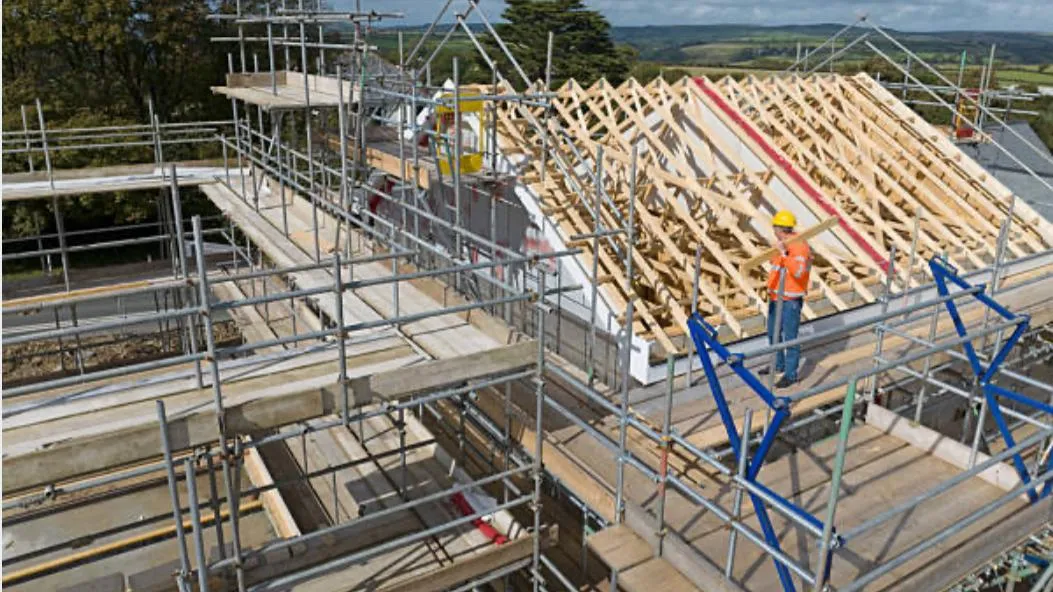
Embarking on a house extension project is one of the most impactful ways to increase living space, add value, and adapt your Bristol home to your evolving needs. However, before you kick off construction, it’s crucial to understand the guidelines, regulations, and nuances of house extension planning permission in Bristol. Whether you’re envisioning a loft conversion, a rear kitchen extension, or carefully crafting a two-storey side return, this comprehensive guide will navigate you through the process, legalities, and practicalities of achieving a successful house extension with appropriate planning permission in Bristol.
Understanding House Extension Planning Permission in Bristol
When extending your home in Bristol, planning permission is a critical legal requirement determined by the local government – Bristol City Council. Essentially, planning permission is designed to regulate building works and ensure any development aligns with local development plans, preserves the character of surrounding neighbourhoods, addresses environmental concerns, and protects the interests of the broader community.
Not all house extensions in Bristol necessitate applying for planning permission. Some projects may fall within what is known as “permitted development rights,” which allow you to extend your house within certain limits and conditions without needing approval. However, if your planned development exceeds these limits, is situated in a conservation area, or impacts the amenity value of neighbours, you must seek planning permission and receive formal approval before starting work.
When is Planning Permission Required for House Extensions?
A critical question for any homeowner is: When do you need planning permission for a house extension in Bristol? The answer depends on several factors, including the size, type, and location of your planned extension. Here are situations where formal planning permission is typically needed:
- If your extension exceeds certain size or height restrictions (e.g., protrudes beyond the rear wall by >3m for terraced/semi-detached homes, or overall height is greater than 4m).
- Two-storey extensions or those that are forward of the existing house’s principal elevation facing the road.
- Extensions covering more than half the area of land around the “original house” (as it stood on 1 July 1948 or when it was first built).
- Homes within conservation areas, Areas of Outstanding Natural Beauty, or listed buildings (requirements here are particularly stringent).
- Extensions incorporating balconies, verandas, or raised platforms.
- If the development alters the roof height or shape, such as dormer loft conversions facing a front highway.
If any of the above apply, you must submit a planning application. The Bristol City Council recommends consulting their planning guidance or seeking advice from a planning professional in the early stages of your project.
Permitted Development Rights for Bristol House Extensions
Permitted development rights (PDR) allow certain minor building works to proceed without planning consent. In Bristol, as elsewhere in England, these rights are subject to limits and conditions, particularly for house extensions. For instance:
- Single-storey rear extensions must not extend beyond the rear wall of the original house by more than 3m for an attached house or 4m for a detached house (though, under the “larger home extension” scheme, this can be up to 6m/8m, albeit subject to neighbourhood consultation).
- The maximum height of a single-storey rear extension is generally limited to 4m.
- Extensions cannot be higher than the highest part of the existing roof.
- Materials used must be similar in appearance to the existing house.
- No verandas or balconies are allowed under permitted development.
- Side extensions must be single-storey, no more than half the width of the original house, and no higher than 4m.
These rights do not apply to flats, maisonettes, or houses that have had their permitted development rights removed (typically by planning conditions or in certain areas). Always check the status of your property before proceeding.
Special Considerations: Conservation Areas and Listed Buildings
Bristol is known for its eclectic mix of Victorian terraces, Georgian crescents, and many conservation areas, such as Clifton, Redland, and St George. If your property is within a conservation area, there’s a strong likelihood that planning permission will be required even for minor alterations. The same is true for listed buildings, which require listed building consent as well.
Local planning authorities in Bristol seek to preserve the unique character, aesthetic, and history of these areas. Extension proposals must respect the scale, materials, and design of surrounding historic structures, and often require detailed, sensitive plans and heritage statements. Early consultation with a qualified architect or planning consultant familiar with Bristol’s local planning policies is highly recommended.
The Planning Application Process in Bristol
If your house extension planning permission in Bristol is required, understanding the application process will help your project proceed smoothly:
- Pre-application advice: Before submission, you can seek informal advice from Bristol City Council about your proposals. While there may be a fee, it can save you time and money by identifying potential issues early.
- Prepare plans and documents: You’ll need professionally drawn architectural plans showing existing and proposed layouts, elevations, site location plans, and sometimes supporting statements (such as a Design and Access Statement).
- Submission: Applications are typically made online via the Planning Portal website. You’ll need to pay a fee, which (as of 2024) is typically around £206 for householder applications.
- Consultation and publicity: For most applications, the council will notify nearby residents and potentially statutory consultees, such as highways or conservation officers.
- Assessment and decision: The planning authority considers issues such as impact on neighbours, design, scale, traffic, and whether the proposal aligns with Bristol’s local plan. Most straightforward applications are decided by planning officers, though contentious or large schemes may go before a planning committee.
- Timescales: The statutory timeframe for householder applications is 8 weeks, though this can vary depending on the complexity of your application and council workload.
- Decision: You’ll receive a decision notice outlining whether planning permission has been granted or refused, usually with conditions attached if approved.
Should your application be refused, you typically have the right to appeal to the Planning Inspectorate.
Building Regulations and Other Required Consents
Planning permission and building regulations approval are separate processes. While planning permission addresses how your extension impacts the community and environment, building regulations ensure your project is safe, energy-efficient, and structurally sound.
Even where planning permission is not required, almost every house extension in Bristol will require building regulations approval, covering areas such as:
- Structural stability and foundations
- Fire safety and escape routes
- Thermal insulation and energy conservation
- Electrical and plumbing works
- Accessibility provisions
- Ventilation and moisture control
You can apply for building regs either via a “full plans” submission (with detailed drawings) or through a building notice. Your local Building Control officer will visit at key stages to sign off on the work.
Don’t forget to check whether you also need Party Wall Agreements (if your extension affects shared/adjacent structures), highways permissions (for dropped kerbs, skips, or scaffolding), or tree preservation orders.
Top Tips for a Successful Planning Application in Bristol
Gaining house extension planning permission in Bristol is as much about preparation and communication as it is about adhering to regulations. Here are proven strategies to give your application the best chance of success:
- Do your homework: Review relevant Bristol City Council planning policies and supplementary guidance, particularly as they relate to residential extensions and conservation areas.
- Engage professionals: An experienced architect or planning consultant with local Bristol experience can translate your ideas into compliant, attractive, and persuasive plans.
Final Thoughts on House Extension Planning Permission in Bristol
A well-designed house extension can completely transform the way you live, giving you the extra space, comfort, and functionality your home needs while significantly increasing property value. But successfully navigating house extension planning permission in Bristol requires careful planning, a solid understanding of local regulations, and expert guidance from professionals who understand Bristol’s unique architectural landscape.
From permitted development rights and conservation area restrictions to building regulations and neighbour considerations, every extension project comes with its own set of challenges. Taking the right approach from the beginning can help you avoid costly delays, planning refusals, and compliance issues later in the process.
Whether you’re planning a rear kitchen extension, a side return, a double-storey extension, or a full home transformation, working with experienced specialists ensures your project is designed not only to meet your lifestyle needs but also to comply fully with Bristol City Council planning policies.
At Planning Build, we help homeowners across Bristol manage every stage of the extension journey from architectural design and planning applications to building regulations and project support. Our team understands the complexities of Bristol’s planning environment, including conservation areas, listed buildings, and permitted development regulations, helping you move forward with confidence.
If you’re considering extending your home and want professional guidance on house extension planning permission in Bristol, contact Planning Build today to discuss your project and discover how we can help bring your vision to life.