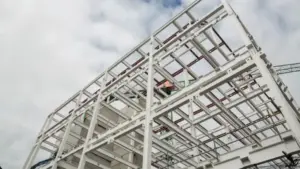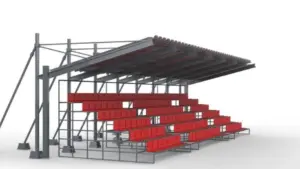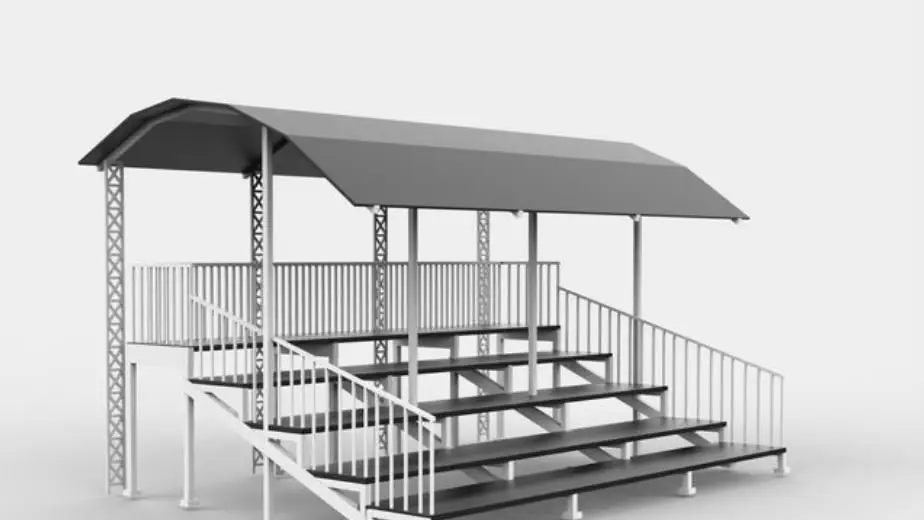
Temporary structures can provide useful additional space for businesses, schools, construction projects, events and other activities. From modular offices and temporary classrooms to marquees, storage buildings and event structures, they can often be installed more quickly and flexibly than permanent buildings.
However, one of the most common questions when planning a temporary structure is how long it can actually remain in place.
The answer is not simply “28 days”. Different planning and building control rules can apply depending on the type of structure, how the land is being used, why the structure is being installed and whether planning permission has already been granted.
Some permitted development rights allow certain temporary uses of land for up to 28 days in a calendar year. Certain temporary buildings may also be exempt from building regulations where they are not intended to remain where they are erected for more than 28 days. However, these are specific provisions rather than a universal rule covering every temporary structure.
Understanding the applicable time limit before installing a temporary structure can help prevent planning issues, enforcement action and unexpected costs.
How Long Can a Temporary Structure Stay Up?
There is no single time limit that applies to every temporary structure.
The length of time a structure can remain in place depends on the planning rights or permission that apply to the particular development.
For example, permitted development rights for certain temporary uses of land allow the land to be used for specified purposes for no more than 28 days in total in any calendar year. Certain moveable structures may be provided on the land for those permitted uses.
However, this does not mean that every temporary building must be removed after 28 days.
A local planning authority can also grant planning permission for a specified temporary period under Section 72 of the Town and Country Planning Act 1990. This means a temporary structure could potentially remain for a longer period where the relevant planning permission allows it.
The key issue is therefore not simply how long the structure is physically capable of staying up. It is whether the structure and its use have the necessary planning permission or permitted development rights for the period proposed.
What Is the 28-Day Rule for Temporary Structures?
The 28-day period is often referred to when discussing temporary structures, but it is important to understand what it actually means.
Under certain permitted development rights, the use of land for particular temporary purposes can take place for no more than 28 days in total in a calendar year. The relevant provisions also allow moveable structures to be provided on the land for the permitted use.
This can be relevant to certain temporary activities, such as:
- Markets
- Events
- Festivals
- Certain sporting activities
- Temporary car parks
- Other specified temporary uses
The 28 days do not necessarily have to be consecutive. For example, a site may be used for qualifying temporary purposes on separate days throughout the year, subject to the specific permitted development rules.
Some local planning authorities also make clear that the 28-day period can include the setting up and removal of temporary structures.
However, the 28-day rule has limitations. It should not be interpreted as a general right to install any temporary building anywhere for 28 days without planning permission.
The type of land, proposed use, structure and applicable permitted development rights all need to be considered.
Does a Temporary Structure Have to Be Removed After 28 Days?
Not necessarily.
If a particular permitted development right applies and its conditions are met, the relevant time limit may determine how long the temporary use can take place.
But a temporary structure may remain for longer if there is another lawful basis for doing so, such as a specific planning permission.
For example, a local planning authority can grant permission for a development to operate for a specified temporary period. Government planning guidance explains that temporary planning permission can be appropriate where a trial run is needed, where planning circumstances are expected to change, or where vacant land or buildings are being used temporarily before a longer-term proposal comes forward.
The permission should be checked carefully to establish the following:
- The period for which permission is granted
- When the temporary use begins
- When the permission expires
- Whether removal of the structure is required
- Whether there are other conditions attached to the permission
If the temporary period is approaching its end and the structure is intended to remain, a further planning application may be necessary.
How Long Can a Temporary Structure Stay Up With Planning Permission?
Where planning permission is granted specifically for a temporary period, the permitted duration will depend on the terms of that permission.
There is no standard period that applies to every temporary planning permission.
A planning authority may grant permission for a period that is considered appropriate to the circumstances of the proposal.
For example, a temporary structure may be required for the following:
- A construction project
- School accommodation
- A business expansion
- A trial commercial use
- A temporary community facility
- A meanwhile use
- An event or seasonal activity
The planning authority may impose a condition requiring the structure or use to cease at a specified date.
Government guidance states that temporary permissions can be used where there is a clear planning reason for limiting the development to a temporary period. It also notes that there is no automatic expectation that a temporary permission will subsequently become permanent.
This means that anyone relying on temporary planning permission should understand the expiry date and plan accordingly.
Temporary Structures and Building Regulations
Planning permission is not the only consideration.
Building regulations are a separate system from planning permission. The government specifically confirms that you may need both planning permission and building regulations approval for a project.
Certain temporary buildings may benefit from an exemption from building regulations where they are not intended to remain where they are erected for more than 28 days.
This is one reason why the 28-day period appears frequently in discussions about temporary structures.
However, the Building Regulations position should not be confused with planning rules.
A structure could potentially
- Be exempt from Building Regulations but still require planning permission
- Benefit from a planning right but have other building control requirements
- Require both planning permission and Building Regulations approval
- Fall outside a particular exemption because of its duration or circumstances
The structure should therefore be assessed under both planning and building control requirements where applicable.
Temporary Structures for Construction Projects
Temporary structures are commonly used during construction and refurbishment projects.
Examples include:
- Site offices
- Welfare facilities
- Storage units
- Security cabins
- Temporary workshops
- Staff facilities
- Temporary access structures
Some permitted development rights cover temporary buildings, structures, works, plant or machinery required in connection with and for the duration of certain operations being carried out on land.
This means that a temporary site building associated with an authorised construction project may have a different planning position from a standalone temporary office installed on an unrelated site.
The structure’s purpose and relationship with the main development are therefore important.
If the construction project finishes but the temporary structure remains and continues to be used for another purpose, the planning position may need to be reconsidered.
How Long Can a Temporary Structure Stay Up for an Event?
Event structures can include:
- Marquees
- Stages
- Grandstands
- Covered seating
- Exhibition structures
- Temporary bars
- Hospitality structures
- Temporary retail units
The permitted duration will depend on the event, site and applicable planning arrangements.
For certain temporary uses of land, the relevant permitted development right allows qualifying uses for no more than 28 days in a calendar year.
However, event organisers should not assume that the 28-day provision covers every element of an event.
The use of the land, the installation of structures, access, parking, noise, public safety and other considerations may require separate assessment.
Temporary demountable structures should also be appropriately designed, erected and used. Government guidance specifically covers structures such as grandstands, marquees, stage structures and barriers and highlights the importance of appropriate procurement, design, erection and use.
Can a Temporary Structure Stay Up for Several Years?
Yes, it is possible for a structure described as temporary to remain in place for several years, but this does not mean it can simply be installed without planning permission.
A modular classroom, for example, may be needed for an extended period while a school undergoes expansion or refurbishment.
Government planning guidance specifically recognises temporary classrooms and other school facilities as circumstances where further temporary permission may sometimes be justified.
If a structure is intended to remain for a long period, it is important to establish the correct planning route before installation.
A structure that is removable or relocatable can still have a significant and long-term impact on land use.
What Happens If a Temporary Structure Stays Up Too Long?
If a temporary structure remains beyond the period allowed by the relevant planning permission or permitted development right, the development may become unauthorised.
This can create several problems.
The local planning authority may investigate the development and, where appropriate, take enforcement action.
Potential consequences can include:
- A requirement to remove the structure
- An application for retrospective planning permission
- Additional costs
- Delays to the project
- Difficulty selling or refinancing the property
- Enforcement proceedings
This is why it is much safer to establish the planning position before the structure is installed rather than relying on a temporary arrangement and attempting to resolve the issue afterwards.
Can You Extend the Time a Temporary Structure Stays Up?
If a temporary structure is approaching the end of its permitted period, you may be able to apply for further planning permission, depending on the circumstances.
However, a further temporary permission is not automatically guaranteed.
Government guidance states that it will rarely be appropriate to grant a second temporary permission unless there is a clear reason based on changing circumstances. Temporary classrooms and other school facilities are given as an example where a further temporary permission may sometimes be justified.
If you already know that a structure will be required for an extended period, it may therefore be more appropriate to address the full duration as part of the initial planning strategy.
Factors That Affect How Long a Temporary Structure Can Remain
Before installing a temporary structure, consider:
The Intended Duration
How long do you actually need the structure?
A structure required for a few days may have a very different planning route from one required for several years.
The Purpose
What will the structure be used for?
An event structure, construction office, classroom and commercial building can all have different planning considerations.
The Site
Where will the structure be located?
The planning context may be particularly important if the site is within a conservation area, Green Belt or another sensitive location.
The Size and Appearance
A large structure may have a greater impact on the surrounding area than a small installation.
Existing Planning Permissions
The site may already have planning permission that includes relevant conditions or rights affecting temporary structures.
Permitted Development Rights
Some temporary uses and structures may benefit from permitted development rights, but these rights are subject to specific conditions and limitations.
How Planning Build Can Help
Determining how long a temporary structure can stay up requires more than applying a simple number of days.
Planning Build can help assess the proposed structure, its intended use and the planning context of the site to identify the appropriate route.
Our services include:
- Planning permission advice
- Planning application support
- Feasibility advice and planning strategy
- Architectural design
- Building Regulation compliance
- Planning appeal support
Getting advice before installation can help establish whether the proposed duration is permitted, whether planning permission is required and what conditions may apply.
Frequently Asked Questions
How long can a temporary structure stay up?
There is no universal maximum period. Certain permitted development rights allow specified temporary uses of land for up to 28 days in a calendar year, while a temporary planning permission can authorise a structure or use for a different specified period.
Does every temporary structure have to come down after 28 days?
No. The 28-day period applies to specific planning provisions and should not be treated as a universal limit for all temporary structures.
Can a temporary structure stay up for more than 28 days?
Yes, where there is an appropriate planning basis for doing so, such as planning permission that authorises the structure for a specified temporary period.
Can a temporary structure become permanent?
A temporary structure can potentially remain in use for a long period, but continuing the development beyond the authorised period may require further planning permission. Temporary permission does not automatically become permanent.
Does the 28-day rule apply to building regulations?
Building regulations contain separate provisions from planning legislation. Certain temporary buildings may be exempt where they are not intended to remain where erected for more than 28 days, but this should not be confused with the planning rules governing temporary uses of land.
Plan Your Temporary Structure With the Right Planning Advice
The question of how long a temporary structure can stay up does not have one universal answer.
The 28-day period is relevant to certain permitted development rights and building regulations provisions, but other temporary structures may be authorised for longer periods through specific planning permission.
The safest approach is to establish the planning position before installation and consider the structure’s intended duration, use, size and location from the beginning.
Planning Build can help you assess your proposal, understand the relevant planning requirements and develop an appropriate strategy for your temporary structure.
Explore Planning Build’s services or contact our team to discuss your project.