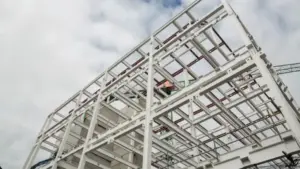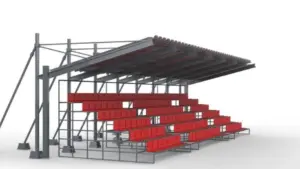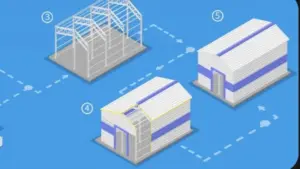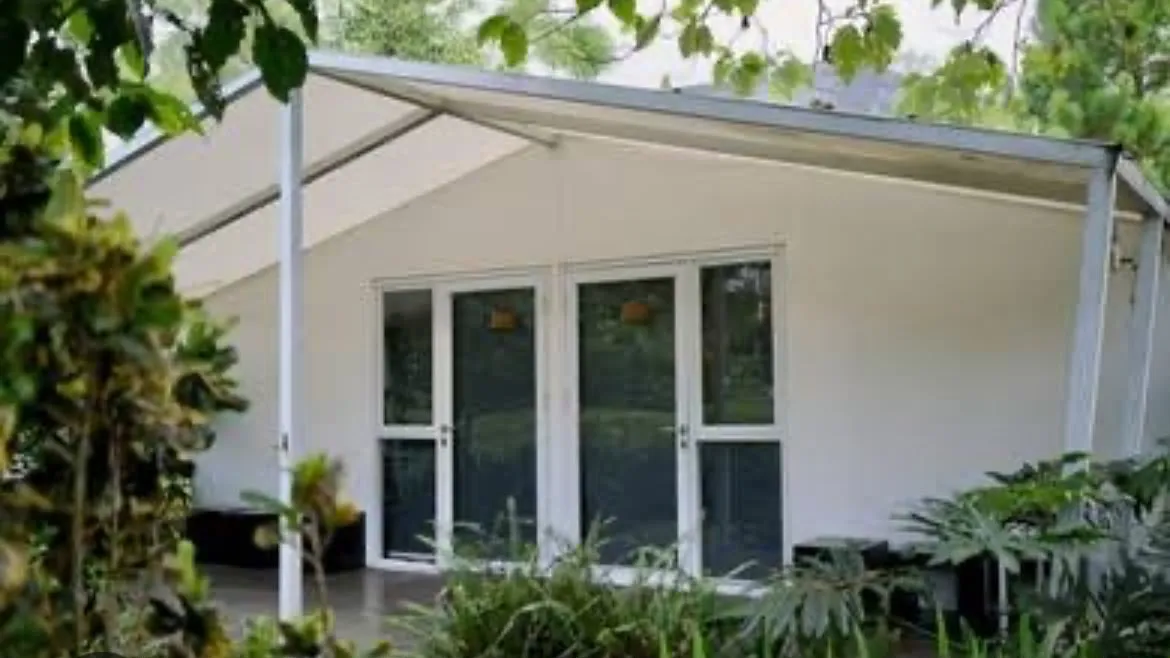
Semi-permanent structures provide a practical middle ground between fully temporary buildings and permanent construction. They can give businesses, schools, event operators and other organisations additional space without requiring the same level of commitment as a conventional permanent building.
Examples include modular buildings, industrial storage structures, covered canopies, temporary offices, marquees, event spaces and other demountable buildings designed to remain in place for an extended period.
However, the fact that a structure is described as semi-permanent does not automatically determine its planning status. Planning requirements depend on the specific proposal, including its size, location, use, duration and relationship with the surrounding site.
If you are considering installing semi-permanent structures, understanding the planning position before committing to a purchase or installation can help you avoid unnecessary costs and delays.
Planning Build provides professional support with planning advice, feasibility assessments, planning applications, architectural design and building regulations. Our team can help assess your proposal and identify the appropriate planning route.
What Are Semi-Permanent Structures?
Semi-permanent structures are buildings or installations designed to remain in place for a significant period while still being capable of being dismantled, relocated or adapted.
They are different from structures intended for very short-term use, but they may not require the same construction approach as a conventional permanent building.
Common characteristics include:
- Modular construction
- Demountable components
- Relocatable designs
- Minimal or removable foundations
- Flexible internal layouts
- Faster installation than traditional construction
- The ability to adapt or extend the structure
Semi-permanent structures can be used for a wide range of purposes, including commercial, industrial, educational, recreational and event-related activities.
The term itself is not a specific planning category. A structure does not automatically avoid planning permission simply because it is marketed or described as semi-permanent.
The planning authority will consider the actual development and its circumstances.
Examples of Semi-Permanent Structures
Semi-permanent structures can take many forms depending on the needs of the site.
Modular Buildings
Modular buildings are manufactured in sections before being assembled on site. They can provide offices, classrooms, healthcare facilities, accommodation and other types of usable space.
Their modular construction means that they can potentially be relocated or reconfigured as requirements change.
Industrial and Storage Structures
Businesses may use semi-permanent structures for additional warehouse, storage or production space.
These structures can provide additional capacity without requiring a conventional extension or permanent building.
Temporary Offices
A business may install a semi-permanent office where additional workspace is needed for several months or years.
This can be particularly useful during refurbishment, expansion or relocation projects.
Canopies and Covered Areas
Semi-permanent canopies can provide covered space for the following:
- Storage
- Loading areas
- Outdoor seating
- Sports facilities
- School activities
- Commercial operations
Event and Hospitality Structures
Marquees and other demountable structures can be used for weddings, festivals, hospitality, exhibitions and other events.
Some may be installed for relatively short periods, while others can remain in place for longer seasonal or commercial uses.
Temporary Classrooms
Schools and educational establishments may use modular or semi-permanent buildings to accommodate additional pupils or provide space while permanent facilities are being refurbished or expanded.
Are Semi-Permanent Structures Considered Temporary or Permanent?
There is no simple answer based solely on how the structure is constructed.
A semi-permanent building may be physically removable but still have a substantial and long-term presence on the site.
Planning authorities may consider the circumstances of the development rather than relying only on whether the structure can technically be dismantled.
Relevant factors can include:
- How long the structure is intended to remain
- Whether it has foundations
- How it is connected to the site
- How it is used
- Whether it serves an ongoing business or other activity
- Its size and appearance
- Its relationship with existing buildings
- Its impact on neighbouring land
For example, a modular office that can be dismantled but is intended to provide permanent workspace for a business over many years may raise different planning considerations from a marquee installed for a short event.
This is why it is important to assess the actual proposal rather than assuming that a semi-permanent structure is exempt from planning requirements.
Do Semi-Permanent Structures Need Planning Permission?
Semi-permanent structures may require planning permission.
Whether permission is needed will depend on the circumstances of the development.
The planning authority may consider the physical structure and the use associated with it.
For example, installing a structure on land to create a new office, retail facility, storage operation or educational building may involve planning considerations beyond the structure itself.
The following factors can be particularly important.
Size and Scale
The larger the structure, the greater its potential impact on the site and surrounding area.
The planning assessment may consider:
- Height
- Width
- Length
- Floor area
- Overall volume
- Position on the site
A large semi-permanent warehouse, for example, may have a significant visual and operational impact even if it can eventually be dismantled.
Duration
The intended period of use is an important consideration.
A structure installed for a short event may have a different planning position from one intended to remain for several years.
However, there is no universal period after which every semi-permanent structure automatically becomes permanent for planning purposes.
Duration should therefore be considered alongside the structure’s use, location and impact.
Intended Use
Planning controls can apply to the use of land as well as the physical construction.
A semi-permanent structure could be used as:
- An office
- A classroom
- A warehouse
- A retail unit
- A restaurant
- A workshop
- A storage facility
- An event venue
- Accommodation
Each use may create different planning considerations relating to traffic, parking, noise, servicing, operating hours and neighbouring properties.
Location
The planning context of the site can significantly affect the proposal.
Additional considerations may arise where a semi-permanent structure is located within or near:
- A conservation area
- Green Belt land
- A listed building
- A heritage asset
- A protected landscape
- Residential properties
- Environmentally sensitive areas
The same structure may therefore have different planning implications depending on where it is proposed.
Semi-Permanent Structures and Permitted Development
Some development may benefit from permitted development rights, meaning that a full planning application may not be necessary.
However, permitted development rights are subject to specific conditions and limitations.
For example, certain permitted development rights allow temporary buildings, moveable structures or works to be provided in connection with other authorised operations for the duration of those operations.
There are also specific provisions relating to temporary uses of land and moveable structures, subject to defined limitations.
This does not mean that every semi-permanent structure benefits from permitted development.
The availability of a permitted development right can depend on factors such as:
- The existing use of the land
- The type of development
- The purpose of the structure
- Its location
- Its size
- The duration of the use
- Applicable conditions and restrictions
If you are uncertain whether permitted development rights apply, obtaining professional planning advice before installation can help establish the correct route.
Temporary Planning Permission for Semi-Permanent Structures
In some circumstances, planning permission may be granted specifically for a temporary period.
The local planning authority can grant planning permission for a specified temporary period under section 72 of the Town and Country Planning Act 1990. Government guidance notes that temporary permissions can be appropriate in circumstances such as trial uses or temporary use of vacant land while longer-term proposals are being developed.
A temporary planning permission may include conditions requiring the structure or use to end at a particular date.
This can be useful where:
- A business needs additional space while a permanent building is planned
- A site is awaiting redevelopment
- A temporary facility is required during construction
- A new use needs to be tested
- A short-term commercial opportunity is being explored
Temporary planning permission does not automatically become permanent when the approved period ends. A further application may be required if the use or structure is intended to continue.
Semi-Permanent Structures and Building Regulations
Planning permission and building regulations are separate matters.
Planning permission considers whether a development is appropriate for its location, while building regulations address technical standards relating to construction and safety.
Depending on the structure, building regulations may cover areas such as:
- Structural stability
- Fire safety
- Ventilation
- Accessibility
- Drainage
- Energy efficiency
- Sanitation
- Electrical safety
The fact that a structure is demountable does not automatically mean that building regulations are irrelevant.
The specific requirements will depend on the structure and how it is used.
Additional requirements may also apply to structures used by large numbers of people. Government guidance recognises temporary demountable structures such as grandstands, marquees, stage structures and barriers as structures requiring appropriate design, procurement and use considerations.
In some parts of London, certain special and temporary structures may also be subject to specific local building control consent requirements. For example, Westminster and Wandsworth councils identify particular temporary structures that require applications under local legislation.
This demonstrates why the location of a project should always be considered when assessing regulatory requirements.
Advantages of Semi-Permanent Structures
Semi-permanent structures can offer several practical advantages.
Flexibility
The structure can potentially be relocated, extended or adapted as requirements change.
Faster Installation
Many modular and demountable systems can be installed more quickly than conventional buildings.
Additional Capacity
Businesses and organisations can create additional usable space without immediately committing to a full permanent development.
Reusability
Some structures can be dismantled and reused elsewhere, potentially reducing waste and improving the value of the original investment.
Suitable for Changing Requirements
Semi-permanent structures can be particularly useful where a business expects its space requirements to change over time.
Common Planning Mistakes to Avoid
Assuming ‘Semi-Permanent’ Means ‘Exempt’
Describing a structure as semi-permanent does not automatically remove the need for planning permission.
The actual development and its circumstances must be considered.
Installing the Structure Before Checking Planning Requirements
Installing a structure before establishing whether permission is required can create significant risks.
If permission is subsequently required and cannot be obtained, the structure may need to be removed.
Ignoring the Use of the Structure
A structure used for commercial, residential, educational or public purposes may create planning considerations beyond the physical building.
Failing to Consider Neighbours
Potential impacts may include:
- Loss of privacy
- Noise
- Traffic
- Visual impact
- Overshadowing
- Increased activity
These should be considered when developing the proposal.
Treating Planning and Building Regulations as the Same
Planning permission does not replace Building Regulations approval, and Building Regulations compliance does not automatically provide planning permission.
Both should be assessed where applicable.
How Planning Build Can Help With Semi-Permanent Structures
Planning a semi-permanent structure requires careful consideration of the site’s planning context, the proposed use and the intended duration.
Planning Build can support projects with the following:
- Planning feasibility assessments
- Planning strategy
- Planning permission advice
- Planning applications
- Architectural drawings
- Building regulations compliance
- Planning appeals
Our services include planning permission advice, planning application support, feasibility advice and planning strategy, architectural design and building regulation compliance.
Getting professional advice at an early stage can help you understand the planning position before purchasing a structure, committing to installation or investing in site works.
Frequently Asked Questions
What are semi-permanent structures?
Semi-permanent structures are buildings or installations designed to remain in place for an extended period while still being capable of being dismantled, relocated or adapted.
Examples include modular buildings, storage structures, temporary offices, canopies and event buildings.
Do semi-permanent structures need planning permission?
They may require planning permission depending on their size, use, location, duration and impact.
The fact that a structure is demountable does not automatically mean planning permission is unnecessary.
Can a semi-permanent structure become permanent?
A structure can remain in use for a long period even if it is physically capable of being dismantled.
If the intended use continues or changes, further planning considerations may arise.
Are modular buildings semi-permanent structures?
Many modular buildings can be described as semi-permanent because they can be assembled, dismantled, relocated or adapted. However, their planning and regulatory position depends on the individual proposal.
Can semi-permanent structures be used for businesses?
Yes. They can provide offices, storage, workshops, retail areas, hospitality facilities and other commercial spaces, subject to the relevant planning and regulatory requirements.
Plan Your Semi-Permanent Structure With Professional Advice
Semi-permanent structures can provide a flexible solution where additional space is needed without committing immediately to conventional permanent construction.
However, their flexibility does not automatically remove planning requirements. The structure’s size, intended use, duration, location and impact should all be considered before installation.
If you are planning a modular building, temporary office, storage facility, canopy, event structure or another semi-permanent development, Planning Build can help you assess the planning position and develop an appropriate strategy.
Explore Planning Build’s planning and design services or contact our team to discuss your project.