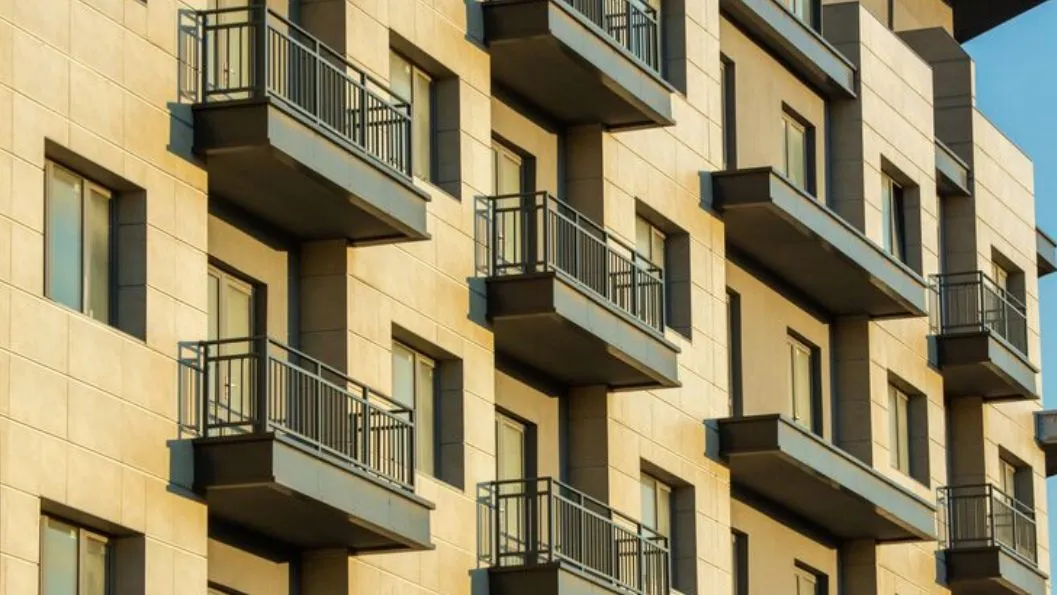
Installing a balcony can dramatically enhance the usability and value of your home, offering outdoor space and improved views, especially in urban settings. In the UK, however, adding a balcony isn’t as straightforward as some other home improvements. Understanding whether you need planning permission, the criteria decision-makers use, and what the process involves is vital. In this comprehensive guide, we’ll focus on balcony planning permission UK – outlining what homeowners must know before embarking on a balcony installation project.
What Constitutes a Balcony?
Before delving into the rules around balcony planning permission UK, it helps to clarify what actually defines a balcony. In UK planning terms, a balcony is an external platform projecting from the wall of a building, typically surrounded by a balustrade or railing, and accessed from an upper-floor door or window. Common types include:
- Juliet balconies: Small guardrails fitted across French doors or windows – do not project far and are often treated differently by planning rules.
- Projecting/true balconies: Platforms accessible from indoors with sufficient space for people to stand or sit.
- Roof terraces: Flat areas on a roof or extension, enclosed by balustrades, used as balconies.
The distinction matters, as some balconies, especially Juliet styles, may not require permission, depending on size and design.
Do You Need Balcony Planning Permission UK?
The central question for most homeowners is: do you need balcony planning permission UK? In many cases, the answer is yes. Unlike simpler home improvements, new balconies nearly always need formal approval under UK planning law. This applies to:
- Structural additions or platforms projecting from the exterior wall.
- Roof terraces or inaccessible flat roofs now intended for use as a balcony.
- Raised decks or any elevated area with external access and balustrades.
Juliet balconies, which do not project more than 300mm from the wall, sometimes escape planning controls, as they’re seen more as window guards than platforms. Still, local interpretations vary, so always check with your Local Planning Authority (LPA).
Permitted Development Rights and Balconies
The UK’s Permitted Development (PD) Rights allow many home improvements without permission: extensions, loft conversions, and even some porches. However, the government’s Technical Guidance very clearly states that balconies and verandas are not usually permitted development. That means you typically must submit a full planning application for:
- Adding any form of projecting balcony.
- Fitting a balustrade to a flat roof to create a terrace or balcony.
- Raising existing walk-on decks above ground level.
There are rare, highly specific exemptions – for example, if a tiny Juliet balcony is part of a new build already covered by an approved design. For any other scenario, you’ll need consent.
Why Are Balconies So Heavily Regulated?
Balconies entail several implications that explain the strict planning controls:
- Overlooking and privacy: Elevated platforms offer views into neighbours’ gardens or windows, which can cause privacy disputes.
- Visual impact: Projecting structures can alter the appearance of a house and streetscape.
- Noise: Outdoor spaces can lead to gatherings or parties, increasing noise levels.
- Safety: Balconies must meet Building Regulations for structural strength and guardrail design.
Planning departments therefore, scrutinise proposals closely to protect both neighbours and the wider community.
Key Criteria for Balcony Planning Permission UK
When assessing whether to approve a balcony planning application, planners will look at:
- Overlooking and loss of privacy: Are windows and gardens overlooked? Is planting/buffering possible?
- Overbearing presence: Does the balcony dominate or overshadow neighbouring properties?
- Noise and disturbance: Could the new balcony increase noise to neighbours, particularly at night?
- Visual impact: Is the balcony in keeping with local building styles? What materials are used?
- Size and scale: Larger balconies attract greater scrutiny. Recessed or modest balconies may be favoured.
- Access: Is the balcony accessed via a private bedroom or main living area? Impact may differ.
- Setting: Is the building listed, in a Conservation Area, or subject to special restrictions?
Different Local Planning Authorities may weigh these factors differently, but overshadowing and privacy are typically the most critical.
Balcony Planning Permission UK: The Application Process
If you do require balcony planning permission UK, you’ll need to submit a householder planning application to your Local Authority. Here’s the usual process:
- Preparation: Prepare detailed plans and elevations showing the proposed balcony, materials, and relationship to neighbours. Engage an architect or designer for technical accuracy.
- Submission: Register the application with your Local Planning Authority, supplying all required documentation (drawings, site location plans, completed forms, and the fee – check your council’s website).
- Public Consultation: Your neighbours will usually be notified and can comment. The LPA may display notices if your property is in a Conservation Area.
- Assessment: Planning officers assess your proposal against the Local Plan, national guidance, and site specifics. Privacy and appearance are central.
- Decision: You’ll receive a decision typically within 8 weeks (for householders). Approval may carry conditions, or your application may be refused – with reasons given.
If refused, you have a right to appeal, but success depends on addressing the objectors’ concerns.
Design Tips to Improve Balcony Planning Success
Planning departments are wary of poorly-designed or intrusive balconies. To increase your chances:
- Keep projections modest: Smaller, recessed balconies are less likely to cause issues than large cantilevered platforms.
- Use sympathetic materials: Match existing building style and colours. Glass balustrades can appear lighter and less visually dominant.
- Screen views where required: Integrate privacy screens or strategic planting to reduce overlooking into neighbours’ properties.
- Limit rear-facing access: Balconies facing public streets cause fewer privacy issues than those overlooking neighbours’ gardens.
- Consider seasonal use: Demonstrate steps to keep noise to a minimum, especially during evenings and weekends.
- Engage neighbours early: Gaining their support or addressing concerns before applying can avoid objections.
- Check for design guidance: Some councils publish ‘Residential Design Guidance’ or supplementary planning documents that explain their stance on balconies in detail.
Special Cases: Listed Buildings & Conservation Areas
If your property is listed, any balcony addition (including Juliet types) will require both planning permission and Listed Building Consent. This process is more rigorous, as changes must preserve the architectural and historic interest. Modern glass and steel balconies may not be supported unless the scheme is exceptionally sensitive.
Properties in Conservation Areas are subject to stricter controls. Council policy may presume against balcony additions that affect street views, heritage value, or the character of the area. Early pre-application advice from the Council is essential in these settings.
Building Regulations: Safety and Construction
Aside from balcony planning permission UK, Building Regulations approval is compulsory for any structural balcony or roof terrace. Key requirements include:
- Structural integrity: Demonstrate beams/supports are adequate for the load imposed.
- Guarding/balustrades: Minimum height (usually 1100mm), no gaps >100mm, to prevent falls or entrapment.
- Fire safety: Use of fire-resistant materials where adjacent to escape routes or boundary lines may be required.
- Drainage: Adequate rainwater disposal to avoid damp/penetration issues into the house below.
Plan Smart, Build Better with the Right Support
Adding a balcony can be a powerful upgrade to your home, creating valuable outdoor space, enhancing views, and increasing overall property appeal. But as this guide has shown, balcony planning permission in the UK is rarely optional. With strict rules around privacy, design, and structural impact, even well-intentioned projects can face refusal if not carefully planned.
The reality is simple: balconies are high-scrutiny developments. From overlooking concerns to visual impact, planning officers assess every detail, and small missteps in design or documentation can delay or derail your project entirely.
That’s why working with experienced planning professionals isn’t just helpful, it’s strategic.
At Planning Build, we specialise in guiding homeowners through complex planning requirements like balcony applications. Whether you’re at the early idea stage or ready to submit, we can help you:
- Assess your project’s feasibility
- Design a balcony that meets planning expectations
- Prepare and submit a strong, compliant application
- Navigate objections and improve approval chances
Don’t risk costly rejections or redesigns.
Speak with Planning Build today, and let’s turn your balcony idea into an approved, well-executed addition to your home, done right the first time.