Introduction to Porch Planning Permission UK
Adding a porch to your home can boost curb appeal, provide additional storage, shelter you from the elements, and even increase your property’s value. However, when considering such an extension in the United Kingdom, there’s a crucial question to answer before any work begins: Do you need planning permission? Navigating the rules and regulations related to porch planning permission UK is essential for a hassle-free and compliant home improvement project. In this comprehensive guide, we will explore what constitutes a porch, the rules governing planning permission, permitted development rights, potential restrictions, and the process for securing approval if it’s required.
What is a Porch?
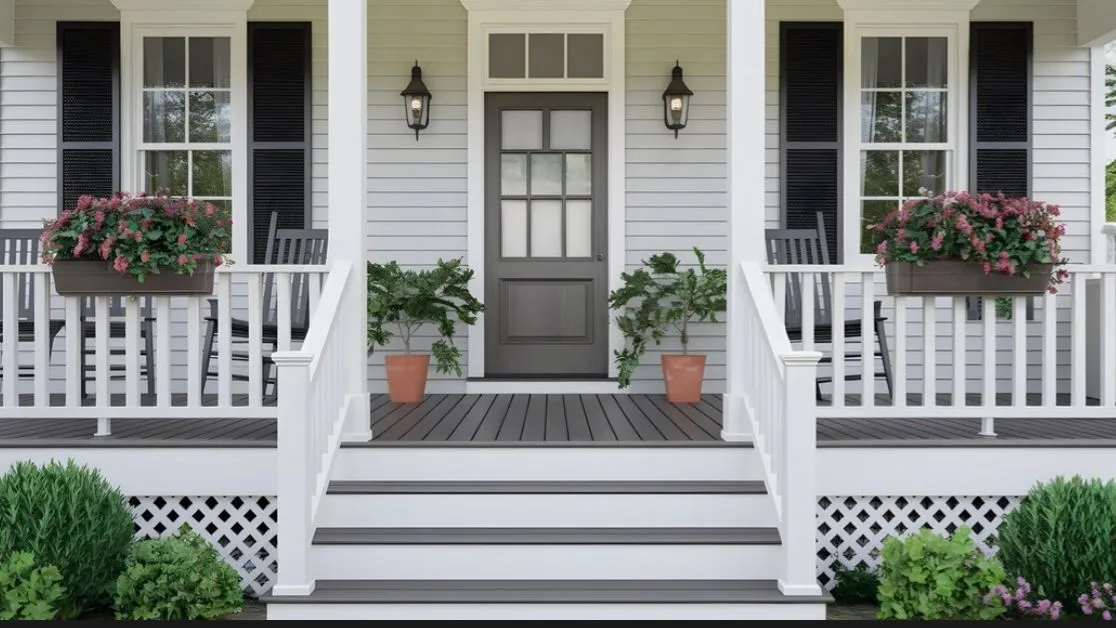
A porch is a structure that leads to the entrance of a building, typically forming a covered shelter at the doorway. In the context of UK homes, porches are often modest structures, either open or enclosed, designed to provide weather protection, extra storage, or a welcoming aesthetic feature. Porches can vary widely in size, design, and construction material, from simple canopies to more elaborate enclosed spaces with windows and doors.
Why Consider Adding a Porch?
Before delving into porch planning permission uk, it’s worth emphasising the benefits of having a porch. These structures can:
- Enhance your home’s curb appeal
- Increase thermal efficiency by acting as a buffer space
- Create additional security by adding a second door barrier
- Provide a practical space for shoes, coats, and deliveries
- Add value to your property
However, the excitement of upgrading your home’s entrance must be balanced with compliance to UK planning laws. Let’s examine what these entail.
Understanding Planning Permission in the UK
Planning permission is required for building work and changes of use to land or a building, if the work falls beyond what is allowed by “permitted development rights” (PD rights). The primary purpose of planning permission is to ensure that developments are appropriate, safe, and in line with local and national guidelines. But when it comes to smaller developments such as porches, the UK Government provides certain flexibilities.
Permitted Development Rights for Porches
In many cases, homeowners can build porches under permitted development rights, thus avoiding the need for formal porch planning permission uk. Permitted development rights are statutory privileges allowing homeowners to undertake certain minor works without requiring a full planning application. These rights apply to houses, not flats, maisonettes, or commercial properties.
According to the UK government, you can add a porch to your home without planning permission if the porch:
- Is no more than 3 metres above ground level
- Is not within 2 metres of any boundary between the dwellinghouse and the highway
- The ground area measured externally does not exceed 3 square metres
If your planned porch fits these criteria, you most likely do not need to seek further permission from your local planning authority.
Porch Dimensions and Permitted Development Criteria
The specifics of permitted development for porches in the UK are as follows:
- Height: The porch must not be higher than 3 metres when measured from the ground level.
- Proximity to Boundaries: The porch must not be within 2 metres of the boundary of the dwelling and the highway (which includes any road, footway, or right of way).
- Floor Space: The external ground area (footprint) of the porch must not exceed 3 square metres.
Example Scenario:
You plan to construct a 2.5-metre tall porch with a footprint of 2.5 square metres, situated over 2 metres away from the public footpath. In this case, porch planning permission uk is not required, provided local restrictions do not state otherwise.
Restrictions and Exceptions to Permitted Development
There are circumstances where porch planning permission uk is required even when your design would ordinarily fall within permitted development. These include:
- Listed Buildings: If your property is listed, any alteration, even minor, will almost certainly require listed building consent in addition to planning permission.
- Conservation Areas: Homes located within conservation areas, Areas of Outstanding Natural Beauty (AONB), National Parks, or World Heritage Sites may face additional restrictions.
- Article 4 Directions: If your local authority has issued an Article 4 Direction, your permitted development rights could be removed or altered, meaning you need to apply for planning permission.
- Original House Definition: The dimensions for permitted development are measured against the “original house” (as it was first built or as it stood on 1 July 1948).
It is important to check with your local planning authority to confirm whether any restrictions apply to your property before proceeding.
Porches on Flats, Maisonettes, and Other Properties
If you live in a flat, maisonette, or converted building, permitted development rights do not automatically apply. Porch planning permission uk for these property types almost always requires a formal application.
Building Regulations for Porches
Even when planning permission is not required, porches must still comply with Building Regulations. These regulations ensure that the new porch is structurally sound, safe, and energy efficient. For most porches under 30 square metres in floor area, Building Regulations approval is not required, provided that:
- The porch is separated from the house by an external quality door
- Glazing and electrical work comply with relevant safety standards
If your porch design features a lot of glazing or involves complicated electrical installations, you may need to involve building control. Always check with your local authority for precise guidance based on your design.
Porch Planning Permission UK: The Application Process
If your proposed porch does not satisfy permitted development criteria, you will need to make a planning application. Here’s what the process typically involves:
- Pre-application Advice: Many councils offer pre-application services where you can get informal feedback about your proposal’s likelihood of success.
- Prepare Application Documents: This usually includes scaled drawings, a site location plan, property deeds, and detailed descriptions of the proposed works.
- Submit Online: Most planning applications can be submitted through the Planning Portal (www.planningportal.co.uk).
- Await Decision: The statutory period for a decision is typically 8 weeks.
- Notification and Consultation: Neighbours and relevant parties might be consulted depending on the nature of your proposal.
- Decision and Appeal: If granted, you may begin work according to approved plans. If refused, you have the right to appeal or revise and resubmit your application.
Application fees apply (as of 2024, the typical fee for a householder application in England is £258, but this may vary in other UK nations).
Common Reasons for Refusal
When considering porch planning permission uk, awareness of common refusal grounds helps you design more successful projects. Local planning authorities may reject a porch planning application for reasons including:
- Out of character with neighbouring properties
- Causing obstruction or adversely affecting safety on the highway
- Excessive scale or overdevelopment
- Impact on the amenity of the area or neighbouring dwellings (e.g., blocking light or privacy)
- Non-compliance with local development plans or conservation policies
Engage an architect or planning consultant if your location is sensitive or your design is ambitious.
Cost Implications of Porch Planning Permission
The overall cost of adding a porch to your home can increase if porch planning permission uk is required. Costs to consider include:
- Planning application fee (typically £258 in 2024)
- Architectural or designer fees for drawings and plans (£500 to £1,500 depending on complexity)
Understanding Porch Planning Permission in the UK
Adding a porch is one of the simplest ways to enhance your home’s functionality and appearance, but as this guide shows, understanding porch planning permission UK is essential before you begin. While many porches fall within permitted development rights, strict limits on size, height, and location mean that even small missteps can push your project into requiring full planning approval.
The safest approach is to assess your design carefully against permitted development criteria and check for any local restrictions such as conservation areas or Article 4 Directions. Even when planning permission isn’t required, compliance with Building Regulations remains crucial to ensure your porch is safe, efficient, and built to last.
Ultimately, a well-designed porch that respects planning rules not only avoids delays and refusals but also adds long-term value to your property.
Thinking of adding a porch to your home?
Planning Build is here to help you every step of the way, from assessing whether your project qualifies under permitted development to preparing and submitting a successful planning application where needed. Our team ensures your design meets all regulatory requirements while aligning with your vision.
Get in touch with Planning Build today and take the first step toward a smooth, stress-free porch project.