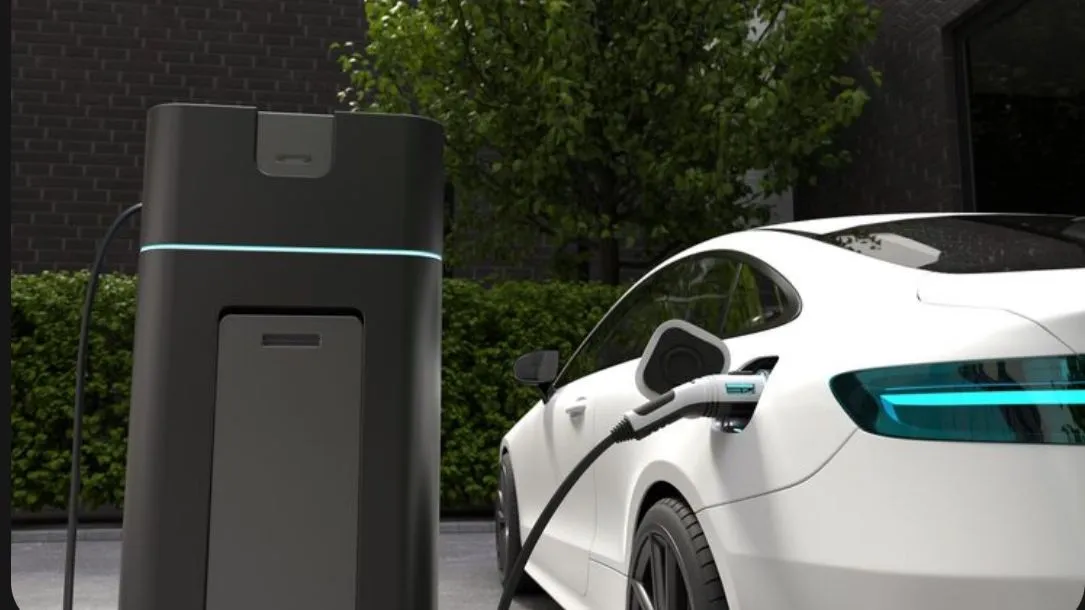
As the UK accelerates towards its ambitious net-zero goals, the adoption of electric vehicles (EVs) continues to surge across the country. With more EVs hitting the roads every day, homeowners and businesses alike are increasingly seeking to install charging points. But before drilling, wiring, or fixing a charging unit to your property, an essential question arises: Do you need EV charger planning permission in the UK? Understanding regulations, legal requirements, and best practices is crucial for a seamless installation process. In this comprehensive guide, we’ll demystify the subject of ev charger planning permission uk, covering everything from permitted development rights and exceptions to commercial considerations and tips for compliance.
Understanding EV Charger Planning Permission in the UK
EV charger planning permission in the UK refers to the legal consent required from a local planning authority before carrying out certain building works or changes in use of land or buildings – in this case, the installation of electric vehicle charging stations. The process ensures that modifications are consistent with local development plans, architectural considerations, environmental impact mitigations, and neighbourhood aesthetics.
For most domestic households and many commercial properties, permitted development rights allow the installation of EV chargers without express planning permission. However, there are nuanced exceptions and standards to be aware of, depending on location, property type, and charger specification.
Permitted Development Rights for EV Chargers
Under UK law, permitted development rights (PDRs) enable property owners to make certain minor changes without seeking planning permission. These rights are crucial where the installation of EV charge points is concerned, as they encourage rapid adoption and simplification.
The Town and Country Planning (General Permitted Development) (England) Order 2015 and its subsequent amendments grant these rights for EV chargers, but with specific limitations and conditions. Both residential and non-residential properties are eligible, provided the charging point meets particular criteria:
- The charging unit must not exceed 0.2 cubic metres in volume.
- No part of the charger or its casing can be within 2 metres of a highway.
- Installation is not on a listed building, scheduled monument, or within the curtilage of such structures.
- The property is not located in a site of special scientific interest (SSSI), conservation area, or other protected regions, unless additional restrictions are met.
- The charger must be for the use of occupants, not for commercial use (in domestic settings).
- The appearance and character of the property or area must not be adversely affected.
If these conditions are met, the installation is typically permitted without prior planning consent. However, there is increasing local authority variation, so always check with your local council before proceeding.
Exceptions: Where Planning Permission Is Required
While PDRs make the process straightforward in most cases, there are clear exceptions where seeking ev charger planning permission uk is mandatory:
- Listed Buildings: Properties with listed status require full consent due to their historic or architectural importance. Any changes – particularly those affecting external appearance – will require listed building consent, independent of the charger’s size or location.
- Conservation Areas: In areas designated for special architectural or historic interest, stricter controls apply. Even if PDRs technically allow installation, the local authority may impose additional conditions to protect the street scene.
- Apartment Blocks and Flats: Installing chargers in communal parking areas or external spaces of residential flats often needs explicit landlord/freeholder permission and sometimes planning permission, especially if altering common infrastructure.
- Commercial Installations: For businesses installing multiple charge-points, rapid chargers, or units accessible to the public, planning application requirements can be more complex, considering access, traffic, and environmental aspects.
- Exceeding Size Limits: Chargers or charging cabinets above 0.2 cubic metres, or installations with prominent posts, signage, or sheltering, can void PDR status and trigger planning procedures.
EV Charger Planning Permission UK: Domestic Installations
Most homeowners will find that installing a wall-mounted EV charger falls within the scope of permitted development, provided:
- The charger is installed on a dwelling, garage, or another outbuilding within the property boundary.
- The device is no larger than 0.2 cubic metres.
- No part of it is within two metres of the highway (public pavement or road).
It’s important to be mindful of any restrictive covenants, such as those imposed by housing developers or leaseholders, which might require additional permissions even when planning isn’t mandated by the local authority. Similarly, network upgrades or significant electrical works may need utility company notification or approval.
EV Charger Planning Permission UK: Commercial & Public Installations
The rise of destination charging and public EV infrastructure has put a spotlight on planning protocols for commercial installations. Businesses keen to provide customer parking, company fleet charging, or public access points should understand that larger-scale or prominently sited equipment – like rapid and ultra-rapid chargers, charging hubs, or canopy sheltered bays – regularly fall outside permitted development.
Key considerations include:
- Ensuring chargers do not impair pedestrian or vehicular access, visibility, or safety.
- Complying with accessibility requirements under the Equality Act 2010.
- Managing potential environmental impacts, such as increased lighting, noise from rapid charging units, or visual impact on the local landscape.
- Accounting for signage and advertisement consent if branding or pricing information is displayed prominently.
- Carrying out any required upgrades to substations or grid connections, potentially triggering separate consent processes.
Proactive pre-application engagement with the local planning authority is highly recommended for larger or complex schemes.
EV Charger Regulations Beyond Planning Permission
While securing ev charger planning permission uk is critical, it’s just one aspect of a lawful and safe installation. Additional regulations must be adhered to, including:
- Building Regulations: All EV charger installations must meet Part P of the Building Regulations, covering electrical safety, as well as the 18th Edition Wiring Regulations (BS 7671).
- OZEV Requirements: If you’re seeking government grants via the Office for Zero Emission Vehicles, chargers must be installed by OZEV-approved installers and meet specific standards.
- Smart Charging Mandate: As of July 2022, all new home and workplace EV charge points sold in the UK must feature smart charging capability, supporting grid management and off-peak usage.
- Insurance: Notifying your building and contents insurer of the planned or completed installation is highly recommended to avoid potential coverage voids.
Applying for EV Charger Planning Permission in the UK
If your installation doesn’t qualify for permitted development, you will need to submit a full planning application to your local council. The process typically involves:
- Pre-application Advice:
Consider contacting your local planning authority early to understand requirements and identify potential obstacles. - Required Documentation:
Standard applications need detailed site plans, elevation drawings, charger specifications, photographs, and heritage statements (if relevant). For public and large commercial projects, supporting documents like transport assessments and design & access statements may be required. - Submission:
Submit your application online via the Planning Portal or directly to your local council. Pay the required fee (often from £206 for householder development). - Consultation and Determination:
The council will consult neighbours and statutory bodies as necessary. For straightforward cases, a decision is usually reached within 8 weeks (for larger applications, up to 13 weeks). - Appeals:
If permission is refused, you may appeal the decision.
What if You Install Without Planning Permission?
Carrying out work without the necessary planning consent (where required) is a breach of planning control. This can result in enforcement action, which could involve:
- Serving an enforcement notice requiring the removal of the charger and the reinstatement of any altered structures.
- Potential fines or prosecution in severe or repeated cases.
- Complications when selling your property or arranging a remortgage.
In rare circumstances, you may apply for retrospective planning permission. However, this is risky and does not guarantee approval.
Navigating EV Charger Planning Permission in the UK
As the UK continues its transition towards electric mobility, installing EV charging points has become an essential upgrade for both homes and businesses. However, as this guide demonstrates, understanding ev charger planning permission UK is still an important step in ensuring your installation is fully compliant and future-proof.
While most domestic EV charger installations benefit from permitted development rights and do not require formal planning permission, this is not universal. Factors such as property type, location, installation size, and whether the site is listed, within a conservation area, or part of a commercial scheme can all change the planning requirements. In more complex scenarios, particularly commercial or public charging infrastructure, formal planning approval and additional regulatory considerations may be required.
Beyond planning permission, compliance with building regulations, electrical safety standards, OZEV requirements, and smart charging rules is equally important to ensure a safe and legally sound installation.
In short, while EV charger installation is becoming easier and more accessible, proper planning compliance remains key to avoiding delays, penalties, or unnecessary redesigns.
Get in touch with Planning Build today and power your EV future with confidence.