Introduction to Signage Planning Permission UK
Signage is an integral part of almost every business in the United Kingdom, playing a crucial role in branding, helping customers locate shops, providing directions, and showcasing important information. However, erecting signs isn’t as straightforward as simply installing them wherever needed. In the UK, there are specific guidelines and regulations that govern the installation of signage, primarily to maintain aesthetic standards, ensure public safety, and preserve historical and architectural heritage. One of the most fundamental aspects businesses must be aware of is the need for signage planning permission UK. Navigating this realm can be challenging for businesses, property managers, and even sign makers — but understanding the process is essential.
What is Signage Planning Permission in the UK?
Signage planning permission refers to the legal approval required from local authorities before putting up advertisements, shop signs, fascia signs, totems, hoardings, banners, or illuminated signs on commercial premises, highways, and sometimes even internally if visible from the outside. This is governed by the Town and Country Planning (Control of Advertisements) (England) Regulations 2007 and subsequent amendments. The goal is to balance the communication needs of businesses with the public interest in maintaining orderly and pleasant urban and rural environments.
In some cases, signs may be installed without consent due to certain conditions known as “Deemed Consent”. In other cases, express consent is necessary. Failing to obtain the correct signage planning permission in the UK could result in fines, enforced removal, and reputational risk.
Types of Signs That Require Planning Permission
There are various forms of signage that might require planning permission in the UK. Some of the most common types include:
- Fascia Signs: Signs on the front wall of a building, often above a shop window.
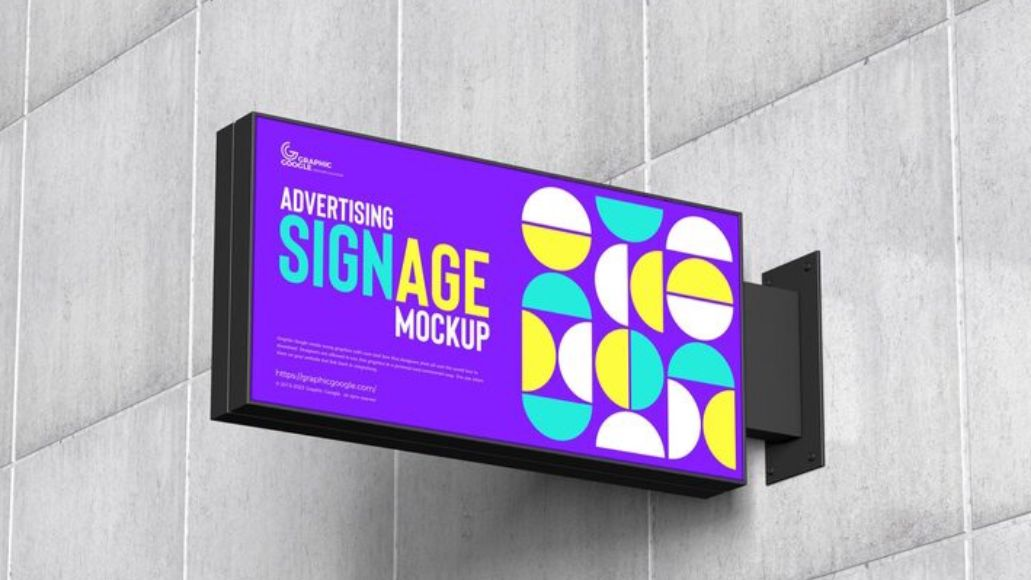
- Projecting or Hanging Signs: Perpendicular signs that project outwards from a wall or shopfront.
- Pole or Totem Signs: Freestanding signs, typically at entrances or car parks.
- Banner Signs: Temporary fabric or plastic banners advertising events or promotions.
- Illuminated Signs: Signs featuring internal or external lighting, such as LEDs or neons.
- Billboards or Hoardings: Large advertisement boards, often along roads or construction sites.
- Digital or Electronic Signs: LED or screen-based signs that display changing messages or images.
Not all signage will require explicit planning permission, but the rules can be complex. For example, size, illumination, position, and whether the sign is temporary or permanent all play a role in determining if permission is needed.
Understanding Deemed Consent Exemptions
Certain types of signage benefit from a regulatory status known as “deemed consent”, which essentially means you do not need to apply for permission as long as your sign meets specific conditions. This is designed to streamline low-risk, standard advertising forms.
- Size Limitations: For most shop-front signs, if the area of the sign does not exceed 0.3sqm and the highest part is not more than 3.6m above ground level, it may be covered under deemed consent.
- Non-Illumination: Non-illuminated signs are more likely to qualify for deemed consent, though there are exceptions.
- Temporary Signs: Banners advertising local events are generally permitted for up to two months.
- Estate Agent Boards: Boards advertising property sales or lettings generally fall under deemed consent, provided they’re removed within 14 days of completion.
Always check the exact requirements with your local planning authority, since deemed consent does not override site-specific or conservation considerations.
When is Express Consent Required?
If your proposed signage does not meet the criteria for deemed consent, you will need to apply for express consent from your local planning authority. This process involves submitting a detailed application that covers:
- The proposed location and mounting of the sign.
- Sign dimensions and height above ground level.
- Colour schemes, materials, and any illumination details.
- Drawings or visualisations of the sign on its intended building or site.
- Details of fixing methods and construction safety.
- Potential impact on road safety, pedestrians, and local amenity.
Express consent is likely needed for:
- Larger signs or hoardings.
- Externally or internally illuminated signs.
- Signs located in conservation areas or on listed buildings.
- Signs above a certain height (e.g., above 4.6 metres in some cases).
- Digital signs, especially those with moving images.
If you are unsure if your signage requires express consent, it is always safer to check with your local council’s planning department.
Applying for Signage Planning Permission UK: The Application Process
Securing signage planning permission UK typically involves several key steps:
- Initial Assessment: Determine if your sign requires permission at all by reviewing government guidance and consulting your local planning authority.
- Gather Documentation: Prepare site plans, scaled drawings of your proposed signage, specifications of materials, and descriptions of illumination or movement (if any).
- Submit Application: Most councils allow online submissions via the UK Planning Portal. Include all supporting documents and pay the relevant fee.
- Consultation Period: Your application may be subject to public consultation, especially if the signage is prominent or in a protected area. Neighbours, highways, and heritage bodies may be invited to comment.
- Decision: Local planners assess your application against national and local policy. They may grant consent unconditionally, impose certain conditions, or refuse the application and provide reasons.
- Right of Appeal: If refused, you can appeal to the Planning Inspectorate, usually within eight weeks of the decision.
Processing times vary but typically range between 6 and 12 weeks.
Special Considerations: Listed Buildings and Conservation Areas
If your building is listed or in a conservation area, you are subject to even stricter controls when it comes to advertising or signage. For listed buildings, signage must not detract from the character or historical value of the property. Planning officials often consult with heritage and conservation specialists for these applications.
You will likely need both listed building consent and advertisement consent for new signs or any significant alterations. Existing fixings can sometimes be reused, but physical alterations to fixings or the introduction of illumination are often scrutinised closely. In these cases, always engage with specialists or get professional planning advice before proceeding.
Highway Regulations and Road Safety
Signage near highways or pavements faces additional scrutiny. Anything that might distract drivers, obscure sightlines, or pose a hazard to pedestrians will be carefully reviewed. The Department for Transport and Highways Authority may need to be consulted for major signage along main roads or motorways.
Common highway objections include:
- Large or brightly illuminated signs cause distraction or glare.
- Projections over highways interfere with vehicle or pedestrian movement.
- Inadequate height clearance over pavements or cycle lanes.
- Signs mimicking traffic signals or road markings.
Ensuring your sign design follows the government’s guide to outdoor signage will reduce the risk of refusal.
Digital and Illuminated Signage: Additional Challenges
With the rise of LED and digital signage, there’s been a sharp increase in applications for illuminated signs across the UK. However, this form of signage faces additional regulatory hurdles, including but not limited to:
- Control of light pollution and impact on neighbouring properties.
- Limits on brightness, operating hours, and colour temperature.
Navigating Signage Planning Permission in the UK
Effective signage is essential for business visibility, branding, and customer communication, but as this guide demonstrates, understanding signage planning permission UK is just as important as the design itself. The UK planning system ensures that signs contribute positively to the streetscape while maintaining safety, reducing visual clutter, and protecting sensitive environments such as conservation areas and listed buildings.
While some smaller or temporary signs may fall under deemed consent, many others, especially illuminated signs, large fascia displays, digital screens, and roadside hoardings, require express planning permission. Factors such as size, placement, brightness, and proximity to highways all play a critical role in determining whether approval is needed.
Special considerations also apply in protected areas and for heritage buildings, where stricter controls are enforced to preserve architectural character and local identity. Additionally, highway safety and public visibility are key priorities for planning authorities when assessing applications.
Ultimately, getting signage right isn’t just about compliance; it’s about ensuring your brand is presented effectively, responsibly, and in line with local regulations.
Contact Planning Build today and bring your signage vision to life, fully compliant and stress-free.